

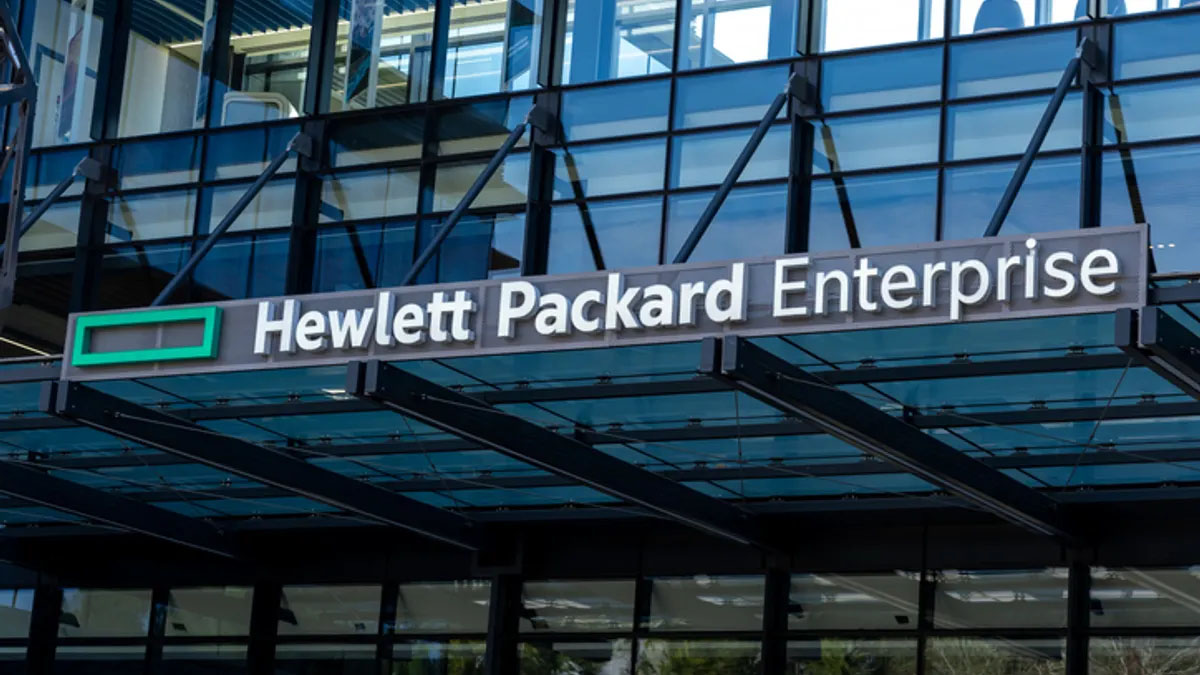
Photo Credit: Getty Images
In a significant development in the tech industry, the U.S. Department of Justice (DOJ), a committee has reached a settlement regarding Hewlett Packard Enterprise's (HPE) acquisition of Juniper Networks, which has been set for a staggering $14 billion. This settlement, disclosed in recent court filings, mandates key concessions from the merging companies to address antitrust concerns.
The DOJ's lawsuit, initially filed to block the acquisition in January, contended that the merger could severely restrict competition in the networking equipment sector. The primary concern raised was the potential consolidation of market dominance, with only two major players, Cisco Systems and HPE, potentially controlling over 70% of the U.S. market.
To alleviate these concerns, the settlement requires the combined entity to divest HPE's Instant On wireless networking business. Additionally, Juniper must license the source code for its Mist AI software, crucial for its WLAN products. These measures aim to maintain a competitive landscape by preserving options for consumers and businesses in the networking solutions market.
The agreement, finalized and filed on a late Friday evening, is pending judicial approval and could circumvent the need for a trial scheduled for July 9th. Neither the DOJ, HPE, nor Juniper provided immediate comments following the settlement's disclosure outside normal business hours.
Juniper Networks responded to the DOJ's allegations in February, asserting that the lawsuit did not accurately reflect the competitive dynamics of the wireless network solutions market. They defended the merger as strategically sound, aligning with industry trends and benefiting technological advancements, particularly in artificial intelligence.
HPE's decision to acquire Juniper, announced over a year ago, underscores its strategic initiative to enhance its AI capabilities. The move reflects HPE's broader strategy to bolster its portfolio with advanced technologies, positioning itself competitively in the rapidly evolving tech landscape.
This settlement marks a pivotal moment in the ongoing scrutiny of large-scale tech mergers by regulatory bodies, highlighting the delicate balance between fostering innovation and safeguarding market competition. As the tech industry continues to evolve, such regulatory interventions play a crucial role in shaping its future trajectory, ensuring a level playing field and promoting consumer choice.
The resolution of the DOJ's antitrust case against HPE's acquisition of Juniper Networks signals a compromise aimed at preserving market competition while allowing for strategic industry consolidation. The outcome underscores the complexities of navigating regulatory landscapes in tech mergers, emphasizing the importance of transparency, competition, and innovation in shaping the industry's future.