Photo Credit:Getty Images
A groundbreaking personalized cancer vaccine has shown encouraging results in preventing the return of skin cancer, offering what experts believe could become a transformative development in cancer treatment.
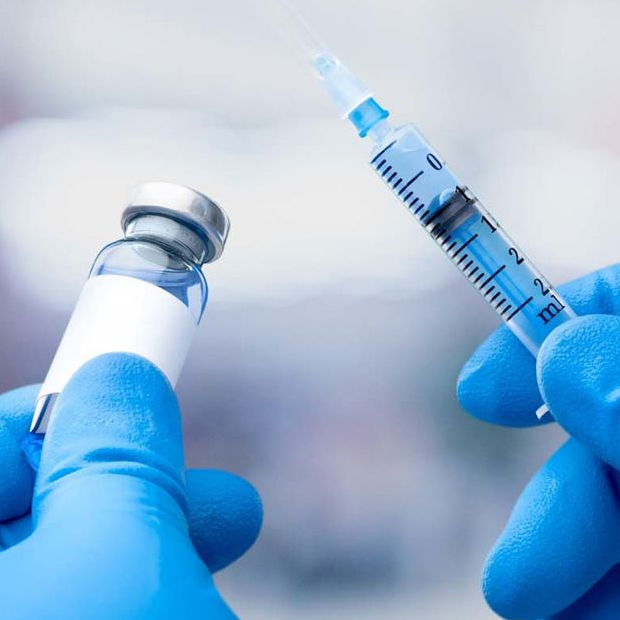
The vaccine, known as Intismeran, was developed through a collaboration between pharmaceutical companies Merck and Moderna. It was administered alongside Keytruda, an established immunotherapy drug, to patients with high risk melanoma following surgery. Early findings suggest that the combination significantly extended the period during which patients remained cancer free and reduced the likelihood of the disease spreading to other organs.
The phase three clinical trial involved more than 1,000 patients diagnosed with stage two, three, or four melanoma. These stages range from large localized tumors to cancers that have spread beyond their original site. Researchers focused on individuals considered at particularly high risk of recurrence after surgery.
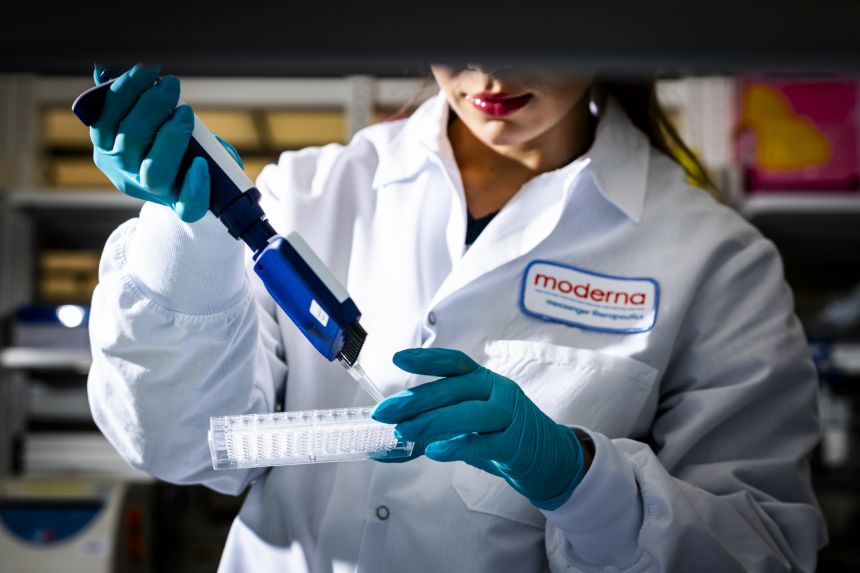
Unlike traditional vaccines, Intismeran is specifically tailored to each patient. Scientists begin by removing and analyzing part of a patient's tumor. Using mRNA technology, the same scientific platform employed in some Covid 19 vaccines, researchers identify unique genetic mutations within the cancer cells. This information is then used to create a personalized vaccine designed to train the immune system to recognize and attack any remaining cancer cells.
The results have generated considerable excitement within the medical community. Moderna Chief Executive Stéphane Bancel described the findings as a pivotal moment in cancer research, highlighting the potential of personalized medicine to reshape how cancer is treated in the future.
Experts, however, have urged caution. While the preliminary data appears promising, the full results have not yet been released or independently reviewed by external scientists. Further analysis will be necessary before definitive conclusions can be drawn regarding long term effectiveness and safety.
Cancer Research UK welcomed the findings while emphasizing the need for continued research and investment. Specialists noted that if the results are confirmed, personalized cancer vaccines could eventually become an important tool in extending survival and improving quality of life for cancer patients.
Researchers are already exploring similar vaccine approaches for other cancers, including lung, bladder, and kidney cancer. Success in melanoma could pave the way for broader applications across oncology.
Before becoming widely available, the treatment must complete additional regulatory reviews and approval processes. Nevertheless, the latest findings provide renewed optimism that personalized immunotherapy may represent a major step forward in the fight against cancer.
For patients facing aggressive forms of melanoma, the prospect of a treatment designed specifically for their cancer offers a glimpse of a future in which therapies are increasingly precise, effective, and individualized.