

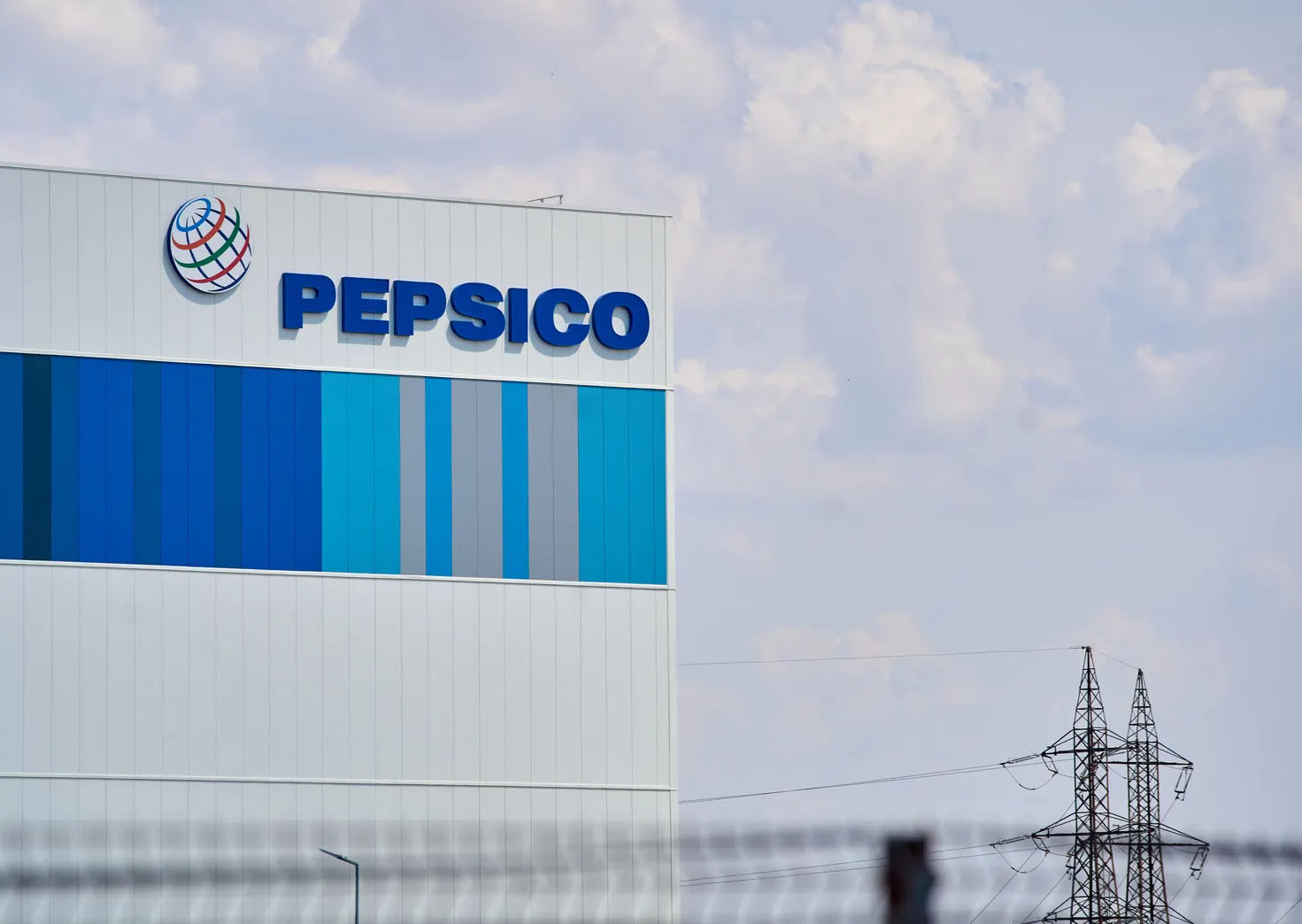
Photo Credit: Getty Images
The battle for PepsiCo’s future is heating up. Long overshadowed by Coca-Cola in the soda wars, PepsiCo has now suffered another blow: it has fallen behind Dr Pepper, slipping to third place in the U.S. soft drink market. The setback has sparked fresh scrutiny from Wall Street, with heavyweight activist investor Elliott Management announcing a major push for change.
On Tuesday, Elliott revealed it has built a $4 billion stake in PepsiCo and signaled it wants to work with the company to “turn around its business.” In a letter to PepsiCo’s board, the activist fund described the company as being at “a critical inflection point,” adding that it has both “an opportunity – and an obligation – to improve financial performance and regain its position as an industry leader.”
The warning comes at a precarious moment for PepsiCo. Despite owning powerhouse brands like Lay’s, Doritos, Cheetos, Gatorade, Mountain Dew, Quaker Oats, and of course Pepsi, the company has faltered in recent years. Its stock has slipped 15% over the past year, making it a target for investor pressure. In response, PepsiCo said it welcomed dialogue with Elliott, noting in a statement that it “maintains an active and productive dialogue with our shareholders and values constructive input on delivering long-term shareholder value.”
The activist campaign arrives amid broader turbulence in the food and beverage industry. Inflation-weary shoppers have been scaling back or shifting to cheaper generic alternatives, while the growing popularity of GLP-1 weight loss drugs is also weighing on demand for indulgent snacks and sugary drinks. In addition, U.S. Health and Human Services Secretary Robert F. Kennedy Jr. Has applied pressure on companies to eliminate artificial flavors and additives.
Pepsi’s decline has been particularly striking in its core soda business. Dr Pepper’s bold marketing campaigns—especially its focus on college football—and adventurous flavor innovations like strawberries and cream have helped it overtake Pepsi for the No. 2 spot behind Coca-Cola. Elliott called Pepsi’s slide “self-inflicted,” arguing the company has stretched itself across too many brands without sharpening its focus.
Even PepsiCo’s once-reliable growth engine, Frito-Lay, has slowed. Consumers pinched by higher prices are cutting back on chips and crackers, eroding snack sales. To address these headwinds, Elliott is urging PepsiCo to consider refranchising its bottling operations—an approach Coca-Cola successfully implemented—as well as selling off underperforming drink and food brands.
Elliott, known for pursuing long-term campaigns rather than quick exits, has a track record of reshaping major companies. “Consumer-facing companies like Pepsi are increasingly getting targeted because they’re facing a lot of challenges,” said Lawrence Elbaum, co-head of shareholder activism defense at Sullivan & Cromwell.
The pressure on PepsiCo mirrors broader shifts in the industry. On Tuesday, Kraft Heinz announced plans to split into two companies, while recent blockbuster deals—such as Ferrero’s $3.1 billion purchase of WK Kellogg Co. And Mars’ $30 billion acquisition of Kellanova—show how food giants are restructuring to adapt.
For PepsiCo, the question is whether it can reinvent itself fast enough to satisfy investors and win back consumers—or risk being remembered as the brand that lost the soda wars not only to Coca-Cola, but also to Dr Pepper.