

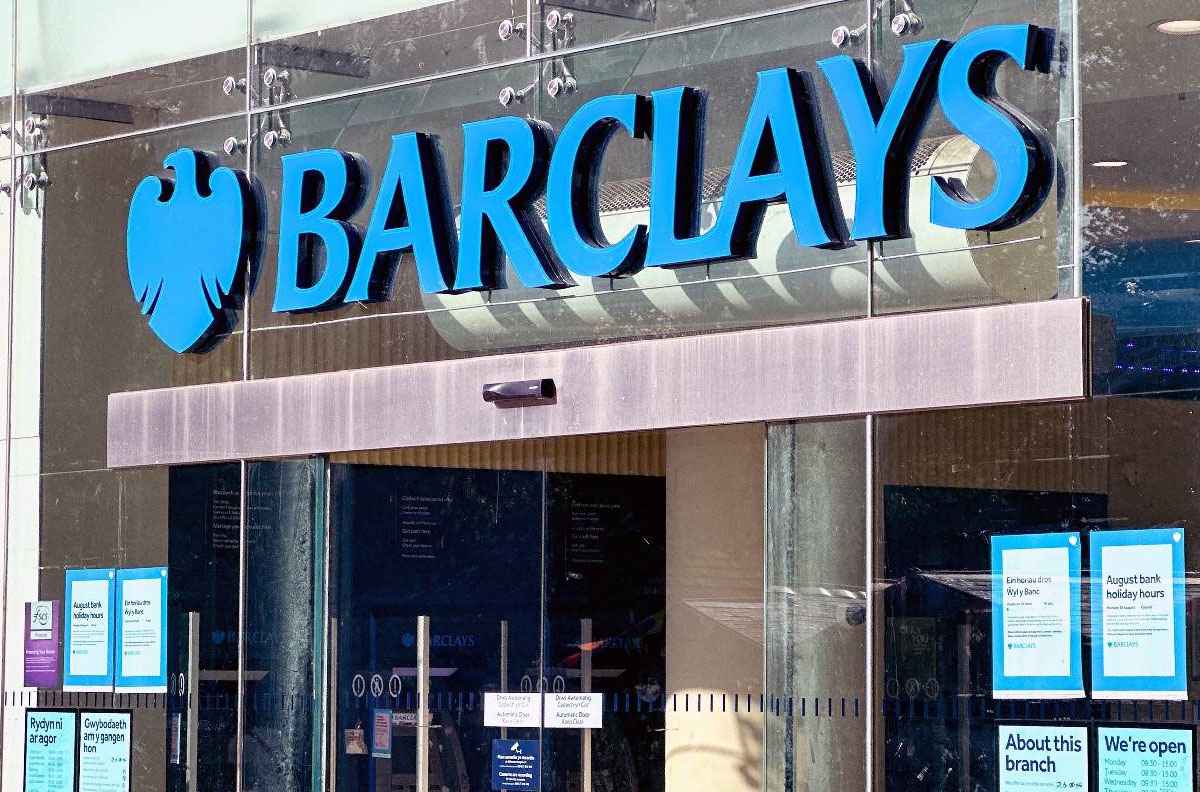
Photo Credit: Getty Images
British lender Barclays on Wednesday unveiled a £500 million ($670 million) share buyback, surprising investors as it reported its third-quarter results. The bank also raised its full-year outlook, saying it now expects a Return on Tangible Equity (RoTE) above 11%, slightly higher than previous forecasts.
The update comes as Barclays plans to shift toward quarterly share buyback announcements, signaling greater consistency in shareholder returns. "We have been generating strong capital for nine straight quarters," said CEO C.S. Venkatakrishnan, adding that early distribution reflects confidence in the bank's financial strength.
Despite that optimism, pre-tax profit for the quarter came in at £2.1 billion, about 7% lower than the same period last year and slightly below analyst projections. The bank cited a £235 million charge tied to the U.K.'s ongoing car loans scandal, which has now cost Barclays £325 million in total. A separate £110 million impairment from a single corporate borrower also dented results.
Quarterly income stood at £7.2 billion, while the investment banking arm delivered an 8% year-on-year gain, helping offset pressure from litigation costs. Earnings per share reached 10.4 pence, and RoTE for the quarter was 10.6%, down from 12.3% last year.
Barclays' shares climbed 3.4% in early London trading following the announcement, extending a 35% year-to-date gain. Stronger investment banking results have lifted the Stoxx 600 Banks Index by more than 55% this year, with Barclays among the key drivers.
Across the Atlantic, JPMorgan Chase and Goldman Sachs also posted upbeat third-quarter results, strengthening sentiment in the global banking sector. Analysts said Barclays' solid capital generation contrasts with broader market concerns over potential bad loans and rising regulatory risks.
According to RBC Capital Markets analyst Benjamin Toms, excluding litigation costs, Barclays would have exceeded profit expectations by about 6%. Still, he cautioned that uncertainties, including the upcoming U.K. Autumn Budget and ongoing legal challenges, remain potential headwinds.