

Photo Credit; Getty Images
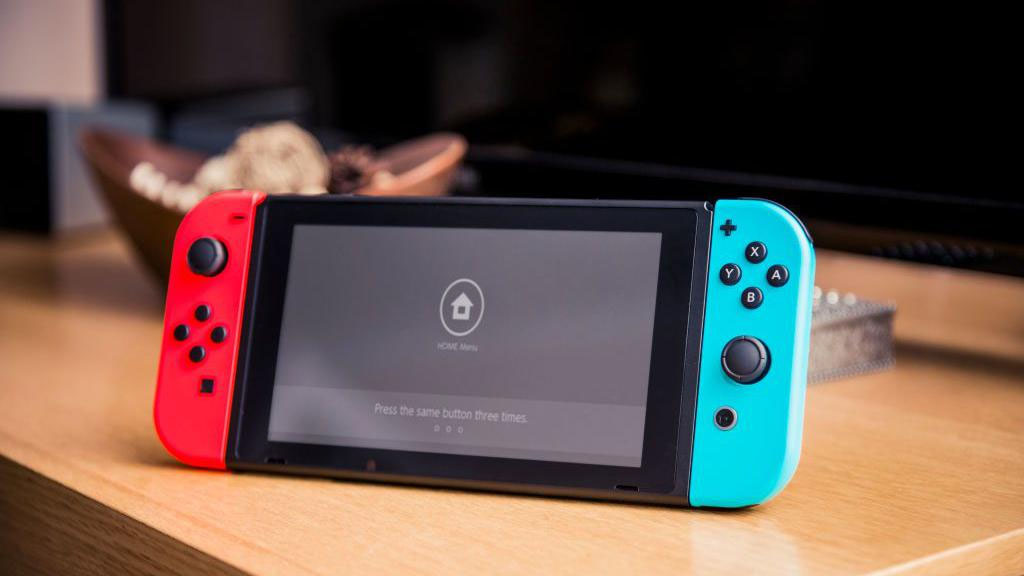
The Nintendo Switch has become the company’s best-selling console, surpassing 155 million units since its 2017 launch. Propelled by a major sales surge during the pandemic, the hybrid system has overtaken the Nintendo DS as Nintendo’s all-time hardware leader. Globally, the Switch now ranks second among all home and handheld consoles, trailing only Sony’s PlayStation 2, which sold more than 160 million units after its 2000 debut.
But Nintendo's latest financial report, where it announced the news, also saw shares in the company fall 11% following investor concerns over software sales and memory chip prices.
Despite this, the company said its sequel the Switch 2, had got off to a "good start" since its release in June 2025, selling 17 million units as of the end of the year.
Industry expert Christopher Dring said there were "very low expectations" for the original Switch when it launched, but said its success could be explained by a strong roster of games from Nintendo's powerhouse franchises.
"Mario, Zelda, Pokemon and Mario Kart have all had their most successful games released during the Switch 1 era," he said.
"Even games like Luigi's Mansion and Mario Party have sold tens of millions."
And he said the pandemic also had an impact, with lockdowns seeing sales rise as people looked for things to do when stuck at home - and freelance video games journalist Rachel Watts agreed.
"Everyone I knew had a Nintendo Switch," she said.
"Nintendo's roster includes games geared towards younger audiences, and, as a handheld console, it made the Switch incredibly popular.”
But the success of the Switch has led some to question whether its successor - the aptly-named Switch 2 - can recreate the magic. At a post-results briefing on Tuesday, Bloomberg News reported Nintendo boss Shuntaro Furukawa said higher memory chip prices could potentially weigh on profits.
The cost of many electronic devices could increase in 2026 because the price of Ram - once one of the cheapest computer components - has increased significantly.
And other elements such as US tariffs and "the current economic situation in many of Nintendo's major markets" could mean the second Switch never quite reaches the highs of its predecessor.