

Photo Credit; Getty Images
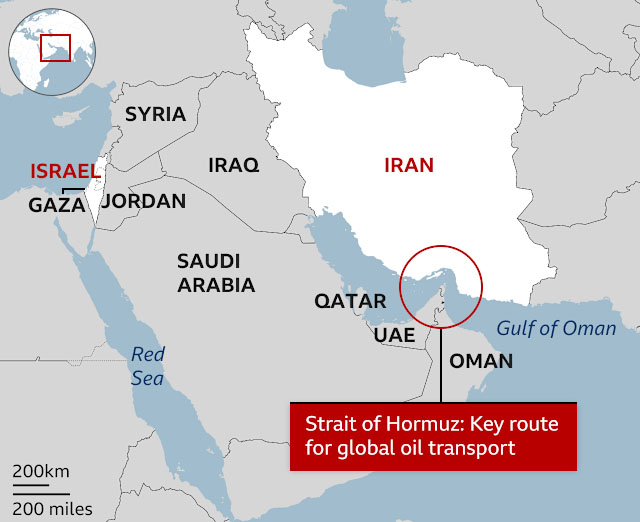
Global oil prices fell on Tuesday after US President Donald Trump warned Iran against blocking the Strait of Hormuz, a narrow waterway that carries a huge share of the world's energy supplies.
In a message posted on social media, Trump said Tehran would face a far stronger response if it attempted to halt tanker traffic through the strategic route.
"If Iran does anything that stops the flow of oil within the Strait of Hormuz, they will be hit by the United States twenty times harder than they have been hit thus far," he wrote.
Oil had surged a day earlier, briefly pushing close to 120 dollars a barrel, as investors feared the conflict involving the United States, Israel and Iran could disrupt shipments from the Middle East.
But prices later reversed course after Trump suggested the military confrontation might be short lived, easing some concerns about prolonged supply disruptions.
During trading in Asia, Brent crude dropped sharply while US benchmark crude also declined, though both remained well above levels seen before the latest escalation.
Energy analysts said the sudden swing highlighted how sensitive markets are to political signals and military developments in the region.
Alberto Bellorin of InterCapital Energy said traders had briefly paused to reassess risks but warned the market remained locked in a tug of war between fear and optimism.
Stock markets across Asia also rebounded as the drop in oil eased worries that the conflict could fuel inflation and push interest rates higher.
Japans Nikkei index climbed strongly, while benchmarks in Hong Kong and South Korea also posted gains after heavy losses the previous session.
The Strait of Hormuz remains one of the most important chokepoints for global energy trade, linking major Gulf producers to international shipping lanes.
Roughly a fifth of the worlds oil supply passes through the passage, meaning even the threat of disruption can send prices sharply higher.
Officials from leading economies have been discussing whether emergency stockpiles might be released if supplies tighten further.