

Photo Credit: Getty Images
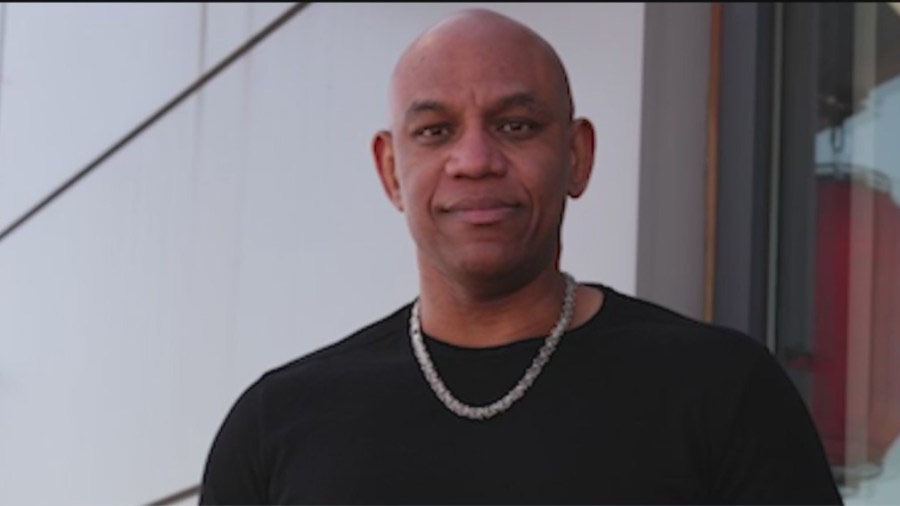
Sharay Hayes, known professionally as “The Punisher”, has expressed remorse for his participation in illicit group encounters involving Cassie Ventura and Sean “Diddy” Combs during Combs’s ongoing federal trial.
In a recent televised interview with CNN , Hayes shed light on the emotional impact of what he now describes as deeply troubling events. While earlier testimony had focused strictly on factual details such as the number of encounters and payment amounts, Hayes’s remorseful tone marks a new public statement from him.
Hayes, a 51‑year‑old exotic dancer, first appeared as a witness in Combs’s New York court in mid‑May, where he recounted how he was hired approximately eight to twelve times between 2012 and 2015 to stage erotic “sexy scenes.” These sessions typically involved Ventura, Combs, and Hayes in dimly lit hotel suites, sometimes including baby oil and cameras. According to Hayes, each encounter began with mutual baby oil usage and often progressed to sexual acts, under Combs’s direction, while Combs watched from a distance.
During his CNN appearance, Hayes said he would “apologize” to Cassie Ventura if given the opportunity. “I had no idea, knowing the case and what she was going through,” he said. “If…my involvement furthered her suffering… it’s tough to hear.” He went on to acknowledge that, despite not witnessing any overt non‑consent at the time, “I was really remorseful and regret if I contributed to a bad experience for her”.
His apology arrives nearly two months after his courtroom testimony, which included admissions of payments ranging from $800 to $2,000 per session. Although in testimony he emphasized that Ventura did not display clear discomfort, Hayes’s emotional regret highlights two critical themes: the difficulty in assessing consent within high‑pressure, orchestrated settings and the potential emotional consequences even of seemingly consensual acts.
Legal experts in the trial have noted that Hayes’s testimony may simultaneously complicate the prosecution’s narrative and aid the defense by framing the encounters as consensual, rather than coerced. However, his apology adds a more human dimension to the coverage, recognizing intangible harm beyond legal definitions.