

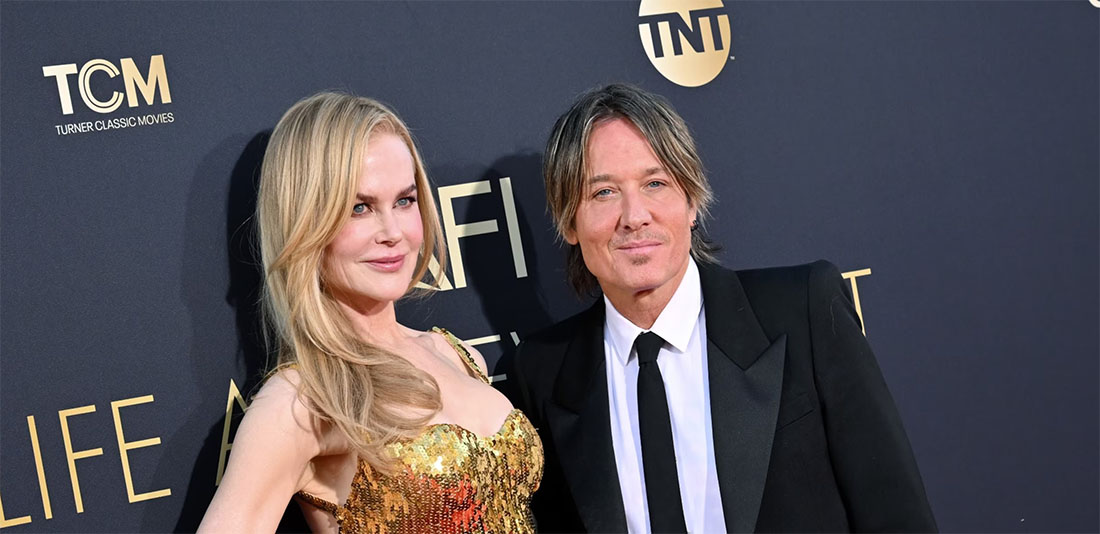
Photo Credit: Getty Images
A light‑hearted radio game turned into a headline frenzy on July 1 when Keith Urban vanished mid‑Zoom from Adelaide's Mix 102.3. Within hours tabloids declared the country star had stormed off after a question about Nicole Kidman's on‑screen intimacy. Yet sources close to Urban say the real story is quieter.
"Keith did not hang up, period," an insider told PEOPLE, stressing that Zoom controls sit with station producers, not the 57‑year‑old singer. The source dismissed the flap as "a complete nothingburger," describing Urban as an "easy‑going" guest unfazed by personal chatter.
Urban had dialed in to promote his 28‑date High and Alive World Tour, which opens in Denver on July 17 and threads through North America before hitting Australia in August. Moments earlier he had praised Adelaide crowds, comparing his pre‑show nerves to "a racehorse kicking the stalls."
Then came the Wall of Truth. Host Max Burford asked, "What does Keith Urban think when he sees his beautiful wife with younger men like Zac Efron having love scenes on TV?" Seconds later a studio voice announced the line had dropped, and co‑host Hayley Pearson groaned, "We've upset him."
Listeners never heard Urban's side, because he was no longer connected. According to station staff, the disconnect lasted under fifteen seconds before producers suggested rescheduling. Urban's publicist offered no comment, but tour representatives confirmed his scheduled performance remains unchanged.
Kidman's latest rom‑com, Netflix's A Family Affair, debuted at number one on the streamer's chart on June 28 2024, drawing 26.8 million views in its first three days and accumulating 31.9 million in week one. Those figures, published by Netflix's domestic rankings, underscore why questions about her screen chemistry keep surfacing.
Media strategist Paula Rizzo reminds guests that "the best way to prepare... is to decide beforehand how you're going to handle unexpected questions," advice that could have insulated both sides from Tuesday's fracas. Her point is simple: preparation and mutual respect usually prevent broadcast bruises.
As the tour presses on and the film's viewership climbs, the episode stands as a cautionary glitch, not a scandal. Technical mysteries happen; public fascination fills the gaps. Urban kept strumming, Kidman kept acting, and a single dropped connection became a reminder that curiosity deserves tact. Yet lessons linger for broadcasters and their guests.
Burford later clarified on air that he believed Urban was "smiling until the moment we lost him," while Pearson admitted they had tested the line between playful and intrusive. Their on‑air post‑mortem drew wide attention, broadcasters' tracking data show, proving how a fifteen‑second silence can echo globally, loudly sparking debate about privacy and press freedom.