

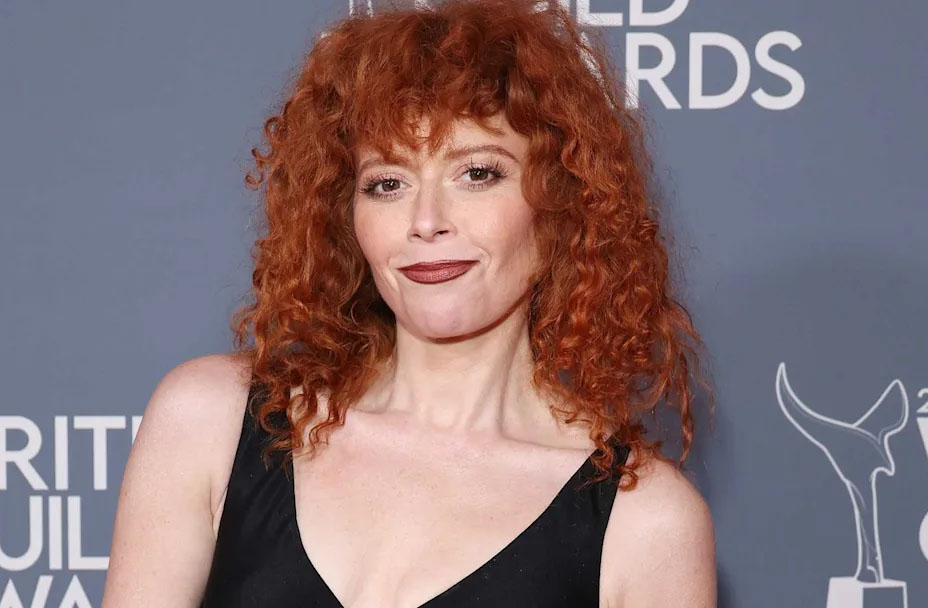
Photo Credit: Getty Images
Natasha Lyonne has spoken openly about a recent relapse after nearly a decade of sobriety, using her platform to share an honest and compassionate message about addiction and recovery. The actor and filmmaker posted on X late Friday night, revealing that she has relapsed and signaling that she plans to speak more about it in the future. Her admission was met with an outpouring of support from fans and peers who praised her for her transparency.
In a follow up post shared hours later, Lyonne reflected on the realities of recovery and the emotional weight that comes with it. She described recovery as a lifelong process and reminded others who may be struggling that they are not alone. Her message was deeply personal and encouraging, filled with gratitude, humor, and empathy. She urged people to stay honest and keep going, emphasizing that personal experiences can help others who are facing similar challenges.
Lyonne also referenced doing the work for “baby Bambo,” a nod to her upcoming film project titled “Bambo.” The film centers on a New York boxing promoter who is trying to balance the demands of fatherhood with his professional life. Lyonne serves as both writer and director on the project, and the mention highlighted how her creative work continues to motivate her even during difficult moments.
The actor’s openness sparked conversation online about addiction, shame, and accountability. In response to a fan who praised her honesty, Lyonne wrote about the need for better systems and an end to shame around addiction. She made it clear that honesty should not be met with judgment and that public conversations about recovery are necessary for meaningful change.
Lyonne has previously discussed her struggles with substance abuse, particularly in the early years of her career. In a 2012 interview with Entertainment Weekly, she spoke candidly about how close she came to losing her life and how difficult it felt to talk publicly about addiction. At the time, she said she felt wary and self conscious about sharing her story, noting that many people do not survive what she went through. She credited those around her for helping her find her way back when she could not do it alone.
Over the years, Lyonne has built a respected career while also becoming a visible figure in conversations about recovery. Her recent posts continue that pattern of honesty, showing that setbacks do not erase progress and that recovery is not a straight line. By sharing her experience, Lyonne reinforced the idea that relapse does not mean failure and that asking for support is a vital part of healing.
Her message resonated because it was not polished or performative. It was real, direct, and rooted in lived experience. For many who read her words, it served as a reminder that recovery is ongoing and that compassion, both for oneself and others, matters most.