

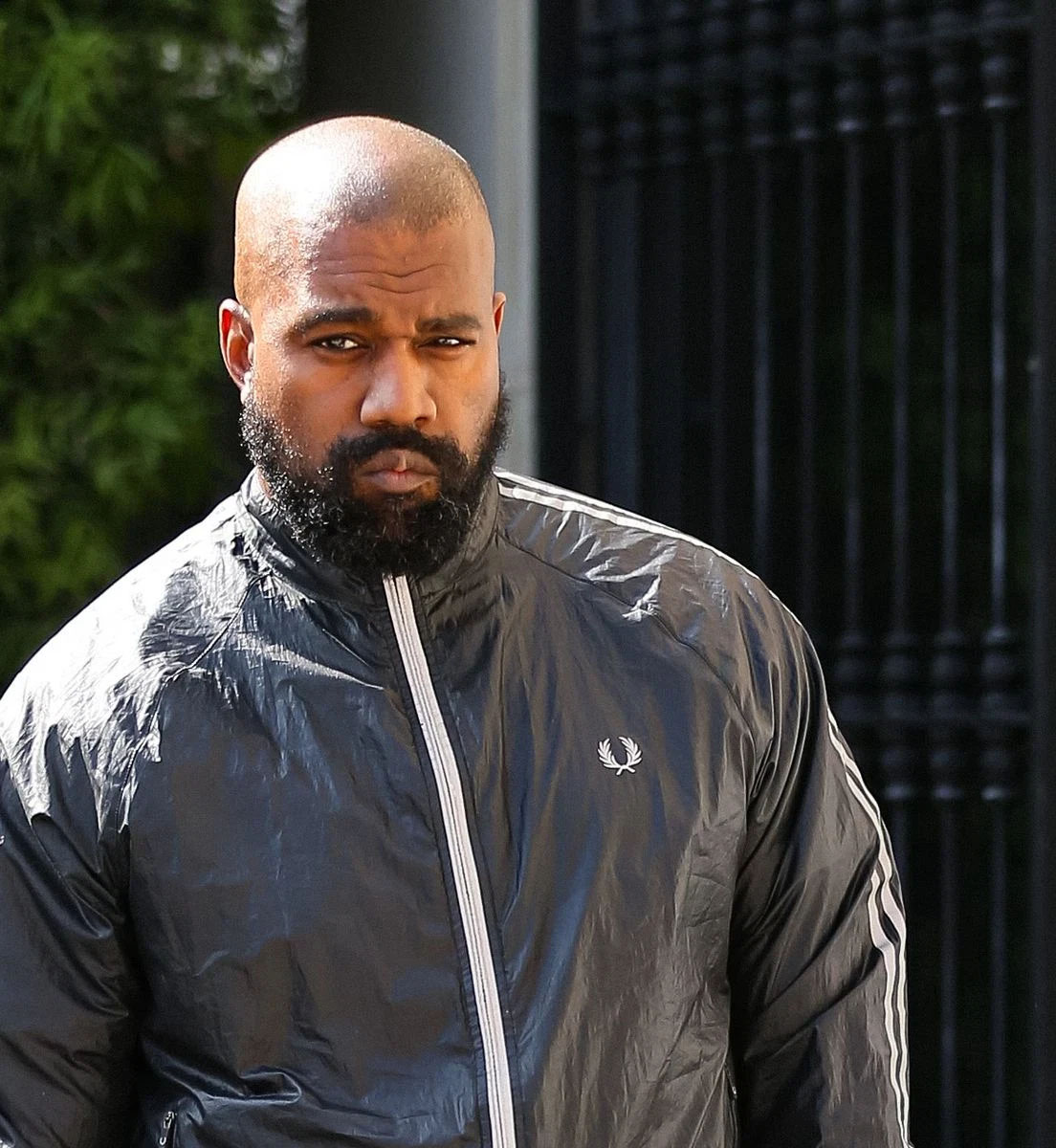
Photo Credit; Getty Images
Britain has refused entry to U.S. rapper Kanye West, triggering the cancellation of the Wireless Festival, organisers confirmed on Tuesday, in a decision that follows mounting controversy over the artist's past statements.
Festival promoter Festival Republic said the government blocked West's travel request, leaving the event unable to proceed and prompting full refunds for ticket holders. Officials determined that permitting the rapper into the United Kingdom would not be conducive to the public good.
West, who was due to headline the London-based festival, had applied for entry through an Electronic Travel Authorisation system shortly before the decision was made. The refusal comes after years of backlash over remarks widely criticised as antisemitic, racist and supportive of extremist views.
Political leaders and advocacy groups supported the move, arguing that allowing the performance would conflict with efforts to combat antisemitism. Some officials also dismissed recent attempts by the artist to address the controversy as insufficient.
Earlier on Tuesday, West said he was willing to meet members of the Jewish community in the UK, stating that he wanted to listen and demonstrate change through his actions. Community representatives indicated openness to dialogue but stressed that any engagement should not coincide with a major festival appearance.
Festival Republic had not immediately responded publicly to the government's ruling before confirming the cancellation. Its leadership had previously acknowledged the growing backlash and suggested the event would not go ahead if authorities intervened, while also referencing wider discussions around mental health.
The decision removes West from one of the UK's most prominent summer music events, known for attracting large international audiences. It also places increased scrutiny on organisers and sponsors over artist bookings and reputational considerations.
Government figures reiterated that antisemitism must be firmly challenged, while campaign groups said the outcome reflected a willingness to align policy decisions with stated principles.