

Photo Credit: Getty Images
The United States government has announced a controversial new policy requiring citizens from Malawi and Zambia to pay a $15,000 deposit when applying for tourist or business visas. The move, introduced under a 12-month pilot programme by the US State Department, is aimed at reducing visa overstays and tightening immigration controls.
According to a notice published by the State Department, the new visa bond applies to non-immigrant visa applicants under the B-1 (business) and B-2 (tourism) categories. The measure targets countries identified as having high rates of visa overstays or inadequate vetting procedures. It also applies to countries offering citizenship by investment without residency requirements.
“Aliens applying for visas as temporary visitors for business or pleasure (B-1/B-2) and who are nationals of countries identified by the Department as having high visa overstay rates, where screening and vetting information is deemed deficient… may be subject to the pilot program,” the notice stated. “Consular officers may require covered non-immigrant visa applicants to post a bond of up to $15,000 as a condition of visa issuance.”
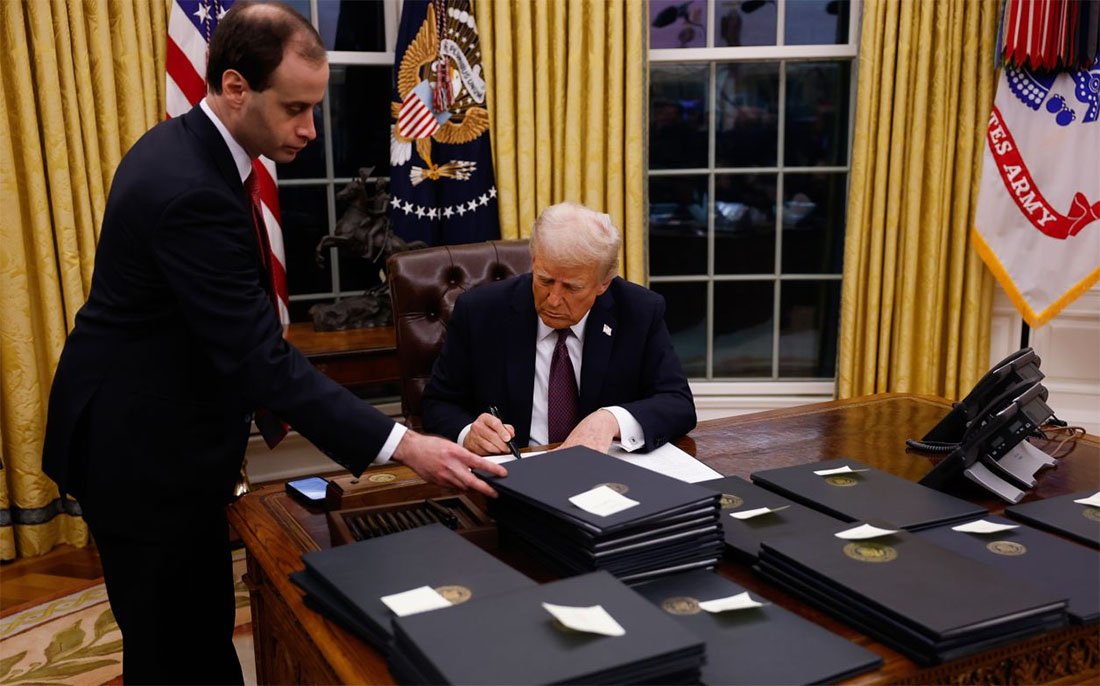
The $15,000 bond, which will be refunded at the end of the visit provided the visa holder complies with all terms, is part of a broader effort by the US to combat illegal immigration and enforce stricter border policies. The initiative aligns with President Donald Trump’s immigration agenda, which he reaffirmed by signing an executive order on his first day in office for his second term.
Data from the US Department of Homeland Security released in 2023 shows that about 14% of Malawian visitors and 11% of Zambian visitors overstayed their visas. These figures place them among the higher-risk countries, alongside Haiti (31%), Myanmar (27%), and Yemen (20%).
Zambia’s Foreign Minister Mulambo Haimbe acknowledged the policy shift, telling the BBC that the Zambian government is “engaging our counterparts to get a full understanding of the implications and what can be done, if anything, to address the underlying issues.”
The policy may extend beyond Malawi and Zambia. Officials have indicated that nationals from other countries could soon face similar requirements, especially where vetting processes or overstay rates are of concern.
In a broader crackdown on immigration, the Trump administration has also revoked visas for hundreds of international students, detained several others on campuses, and banned nationals from 12 countries from entering the US. Partial restrictions are in place for an additional seven countries.
While the State Department maintains the actions are aimed at individuals whose activities “run counter” to US national interests, immigration lawyers argue that some visa revocations appear arbitrary — citing examples that include minor legal infractions like speeding.
Critics view the visa bond requirement as a punitive measure that could hurt legitimate travelers and strain diplomatic relations. However, US officials argue that the bond is a necessary step to ensure compliance with immigration laws and protect national security.