

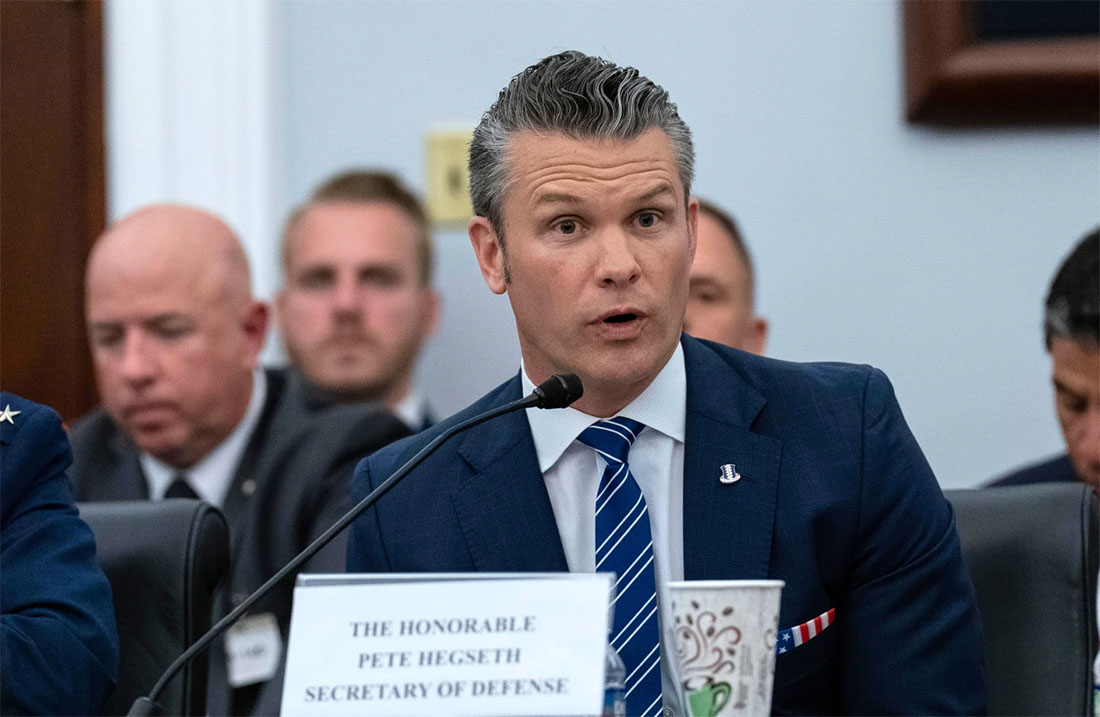
Photo Credit: Getty Images
The Pentagon is facing mounting criticism from journalists and legal experts after unveiling new restrictions on media access to the Department of Defense. The policy, rolled out late last week, requires reporters to sign a pledge not to disclose information that has not been formally authorized for publication. It also limits journalists’ ability to move freely within the Pentagon, sparking concerns of a fundamental threat to press freedom.
The move has already triggered strong opposition from some of the nation’s leading news outlets, who warn that the rules could amount to unconstitutional censorship.
“This policy operates as a prior restraint on publication, which is considered the most serious of First Amendment violations,” said Seth Stern, director of advocacy at the Freedom of the Press Foundation, in a statement to CNN. Stern emphasized that investigative journalism often relies on information not explicitly approved for release, adding: “The Supreme Court has made clear for decades that journalists are entitled to lawfully obtain and publish government secrets. That is essentially the job description of an investigative journalist.”
The new restrictions build on steps already taken by Defense Secretary Pete Hegseth’s press office. Several outlets, including CNN, have been removed from Pentagon media workspaces, and parts of the building have been declared off-limits to reporters unless they are escorted by officials. Under the revised policy, even veteran Pentagon correspondents with official press credentials risk losing access if they publish material not sanctioned by the department.
Major media organizations have denounced the changes. A spokesperson for The New York Times called the pledge “yet another step in a concerning pattern of reducing access to what the U.S. military is undertaking at taxpayer expense,” stressing that requiring journalists to submit to such conditions “is at stark odds with the constitutional protections of a free press in a democracy.” The Washington Post and The Wall Street Journal issued similar statements, while NPR’s editor-in-chief, Thomas Evans, confirmed that outlets are coordinating their response: “We’ll be working with other news organizations to push back.”
Reporters also voiced frustration at the Pentagon’s framing of the issue. “What the Pentagon press corps has not done before is agreed to a policy that only published pre-approved talking points,” Washington Post journalist Dan Lamothe noted on social media.
Political backlash has been swift. Several Democratic lawmakers condemned the rules, and even Republican Rep. Don Bacon joined in: “This is so dumb that I have a hard time believing it is true,” he wrote on X, warning against “Pravda newspapers only touting the Government’s official position.”
The pushback has even extended to former Pentagon insiders. John Ullyot, Hegseth’s former chief spokesman, criticized the move as counterproductive, arguing that openness strengthens credibility.
The controversy spilled into the White House press pool on Sunday when President Donald Trump was asked whether the Pentagon should control what reporters can publish. His answer suggested a rift with his defense secretary: “No, I don’t think so. Listen, nothing stops reporters. You know that.”
As newsroom leaders weigh their next steps, the standoff sets up a potential legal battle over the balance between national security and press freedom — a fight that could shape the rules of Pentagon reporting for years to come.