

Photo Credit: Getty Images
Thanksgiving stands as one of the most enduring cultural holidays in the United States, rooted in centuries of storytelling, national identity, and evolving customs. Its origins trace back to 1621 in Plymouth, when English Pilgrims, after surviving a harsh winter and learning essential farming skills from the Wampanoag people, held a three-day harvest gathering. Though often remembered as a harmonious feast, historians note that the event was as much a political alliance as it was a celebratory meal. Over time, this encounter became symbolically reimagined, forming the foundation of what is now considered the "First Thanksgiving," even though similar harvest celebrations already existed among Indigenous communities long before European arrival.
Throughout the 17th and 18th centuries, days of thanksgiving were not annual holidays but occasional proclamations used to mark victories, successful harvests, or periods of peace. They often carried a solemn, religious tone, involving church services and quiet communal meals. The shift toward a national celebration occurred in the 19th century, largely due to the efforts of writer Sarah Josepha Hale, who campaigned for a unified holiday to strengthen national unity. In 1863, during the Civil War, President Abraham Lincoln established Thanksgiving as a national day of gratitude observed on the last Thursday of November. It later moved to the fourth Thursday under President Franklin D. Roosevelt in 1941 to boost retail activity during the holiday season.
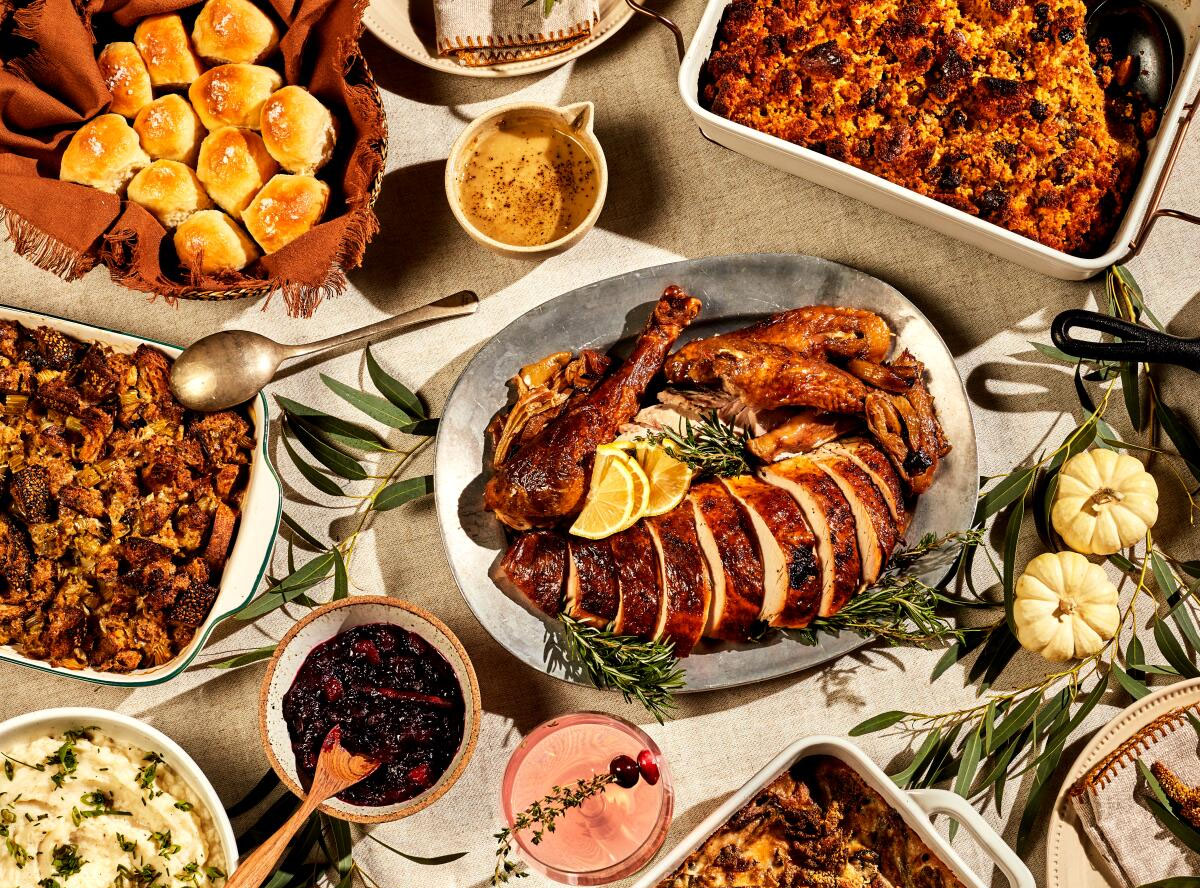
Historically, Thanksgiving celebrations were modest and centered on family gatherings, prayer, and a simple meal reflecting the autumn harvest. Dishes varied widely depending on region and available ingredients but tended to include vegetables, breads, and game meat. By the late 19th and early 20th centuries, industrialization and improved food distribution shaped the holiday into a more standardized feast featuring roast turkey, cranberry sauce, stuffing, and pumpkin pie. Communities began to incorporate parades, school pageants, and charitable activities as the holiday increasingly emphasized national pride and cultural heritage.
Today, Thanksgiving is celebrated as both a cultural and family holiday, marked by widespread travel, large meals, televised parades, and professional football games. While food remains central, modern celebrations often include volunteering at shelters, Friendsgiving gatherings, and a growing acknowledgement of the day's complex history, particularly its impact on Native American communities. Many Indigenous groups observe National Day of Mourning to honor ancestors and raise awareness about historical injustices, adding an important perspective to contemporary conversations about the holiday.
Traditional practices such as sharing gratitude around the table, breaking the turkey wishbone, and hosting family reunions continue to shape its identity. Ultimately, Thanksgiving remains a blend of history, reflection, and evolving custom, balancing celebration with a deeper understanding of the narratives that shaped it.