

Photo Credit: Getty Images
Unrest sweeping Iran has killed more than 500 people in just over two weeks, a U.S.-based rights group said on Sunday, as tensions escalated sharply between Tehran and Washington over the possibility of U.S. intervention in support of protesters.
The Human Rights Activists News Agency (HRANA) said it had verified the deaths of 490 protesters and 48 members of the security forces, drawing on information from activists inside and outside Iran. More than 10,600 people have been arrested since demonstrations erupted on December 28, initially over soaring living costs before morphing into broader protests against Iran's clerical leadership. Iranian authorities have not released official casualty figures, and Reuters was unable to independently verify the toll.
U.S. President Donald Trump has repeatedly warned that Washington could intervene if Iranian authorities use excessive force against demonstrators. The White House is expected to brief Trump this week on options that include military strikes, cyber operations, tougher sanctions and expanded online support for anti-government groups, the Wall Street Journal reported.
Iran's parliament speaker, Mohammad Baqer Qalibaf, issued a stark warning in response, saying any U.S. attack would trigger retaliation. "In the event of an attack on Iran, the occupied territories as well as all U.S. bases and ships will be legitimate targets," said Qalibaf, a former commander in the Revolutionary Guards.
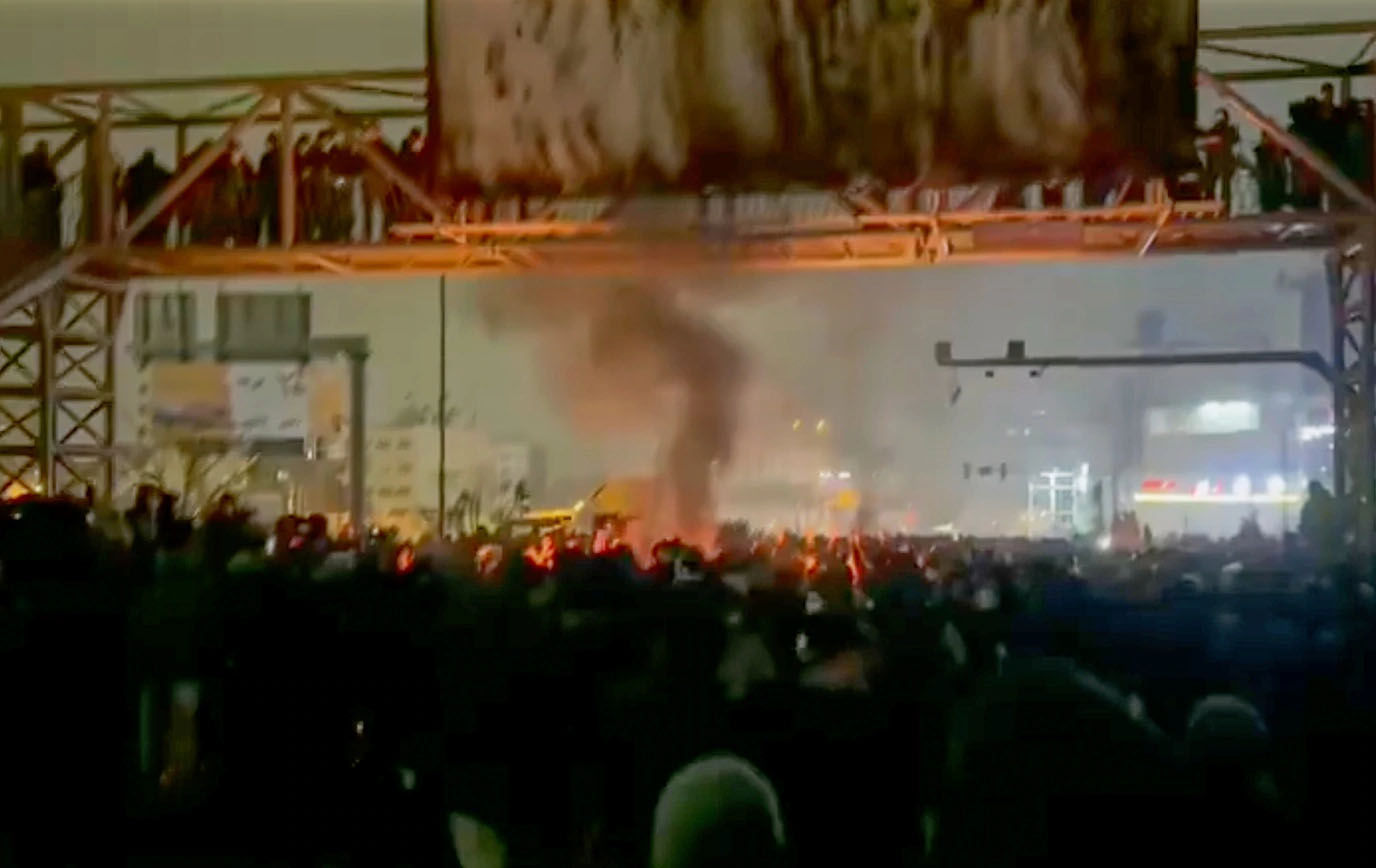
Authorities have intensified their crackdown as protests spread across major cities despite a sweeping internet blackout imposed last week. Videos verified by Reuters showed large nighttime demonstrations in Tehran, while footage from Mashhad captured fires, debris-strewn streets and explosions echoing through the city.
State television aired images of body bags at Tehran's coroner's office and funerals for slain security personnel in several provinces, blaming "armed terrorists" for the violence. Officials have accused the United States and Israel of orchestrating unrest and called for nationwide rallies to condemn what they described as foreign-backed attacks.
Despite the scale of unrest, analysts remain cautious about predicting regime change. Former U.S. diplomat Alan Eyre said the government was likely to suppress the protests but emerge significantly weakened, noting that Iran's ruling elite still appeared cohesive and faced no unified opposition leadership.