

Photo Credit: Getty Images
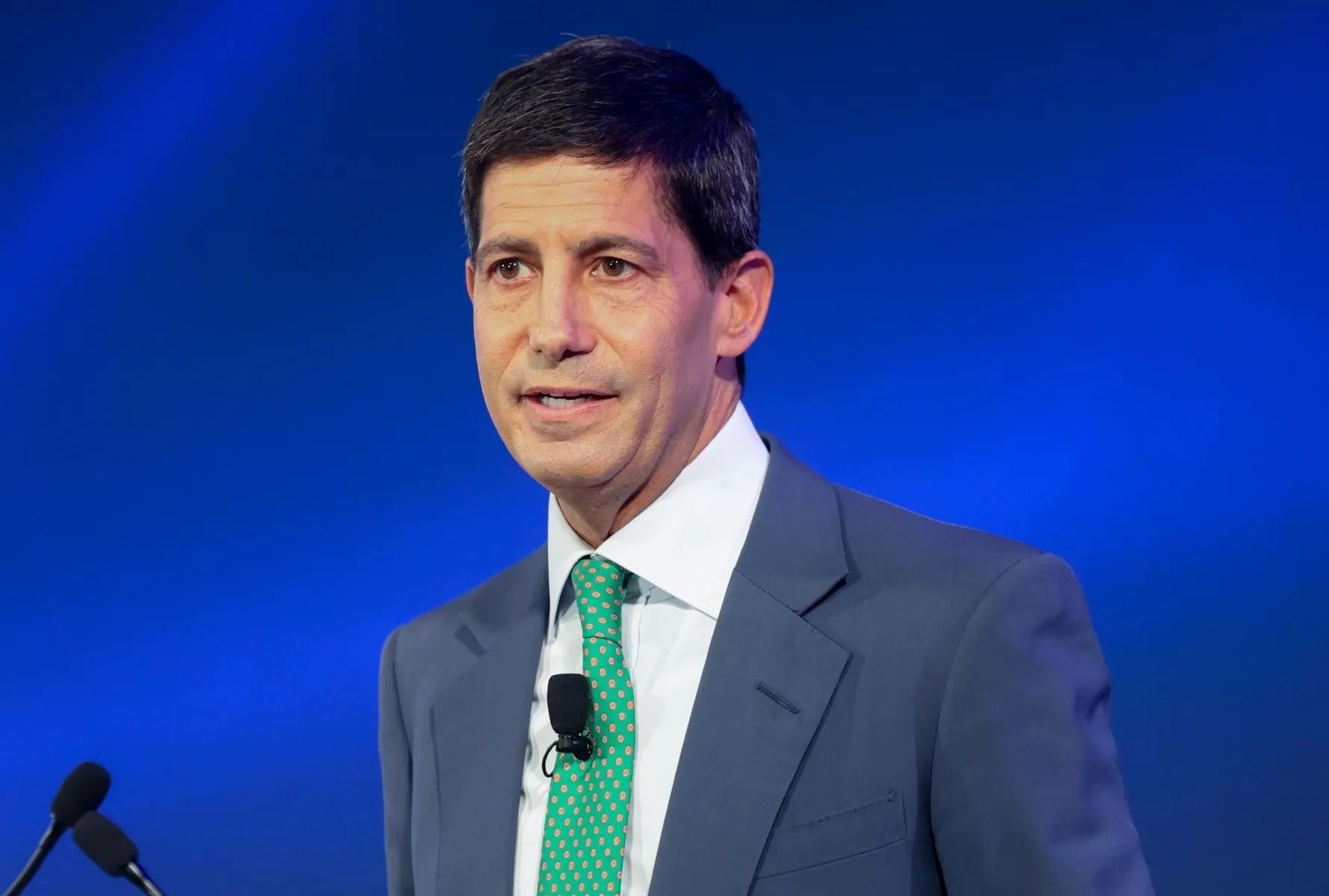
President Donald Trump has nominated former Federal Reserve governor Kevin Warsh to serve as the next chair of the US Federal Reserve, selecting a familiar figure amid escalating tensions with the central bank over interest rate policy.
Trump announced the decision on Friday, saying Warsh would take over once Jerome Powell's term ends in May. "I am pleased to announce that I am nominating Kevin Warsh to be the Chairman of the Board of Governors of the Federal Reserve System," Trump wrote on social media, adding that he believed Warsh would be "one of the great Fed Chairmen."
Warsh, 55, previously served on the Fed's Board of Governors from 2006 to 2011 and was the youngest person ever appointed to the board at age 35. During his tenure, he played a central role in managing the 2008 financial crisis and acted as a key liaison between the Fed and financial markets.
The nomination follows months of public criticism by Trump directed at Powell, whom he has repeatedly accused of failing to cut interest rates quickly enough. Those tensions intensified earlier this month after Powell disclosed that the Trump administration had initiated a criminal investigation involving the Fed, a move that raised concerns about political pressure on the central bank.
Warsh was chosen after a wide-ranging search led by Treasury Secretary Scott Bessent that reportedly considered several high-profile candidates, including National Economic Council Director Kevin Hassett, Fed Governor Christopher Waller, and BlackRock executive Rick Rieder. Bessent himself was also discussed as a potential nominee but opted to remain in his current role.
Once known as a strong inflation hawk, Warsh has recently signaled support for lower interest rates. In recent speeches and interviews, he has argued that the Fed has drifted beyond its core mandate and that policy decisions have constrained economic growth. At the same time, analysts note that Warsh has historically expressed concern about inflation risks, even during periods of economic downturn.
At a Federal Reserve meeting in April 2009, Warsh expressed concern that inflation posed a greater risk than deflation, according to minutes that were released later.
Warsh left the Fed in 2011 following disagreements over crisis-era policies such as quantitative easing, which he later argued risked fueling inflation and expanding the Fed's role too far.
If confirmed by the Senate, Warsh would assume leadership of an institution designed to operate independently of political influence. His confirmation hearings are expected to focus on his shifting views on interest rates, the ongoing investigation involving Powell, and how he would balance independence with pressure from the White House.
Warsh currently serves as a fellow at Stanford University's Hoover Institution and previously worked as a White House economic adviser during the George W. Bush administration.