

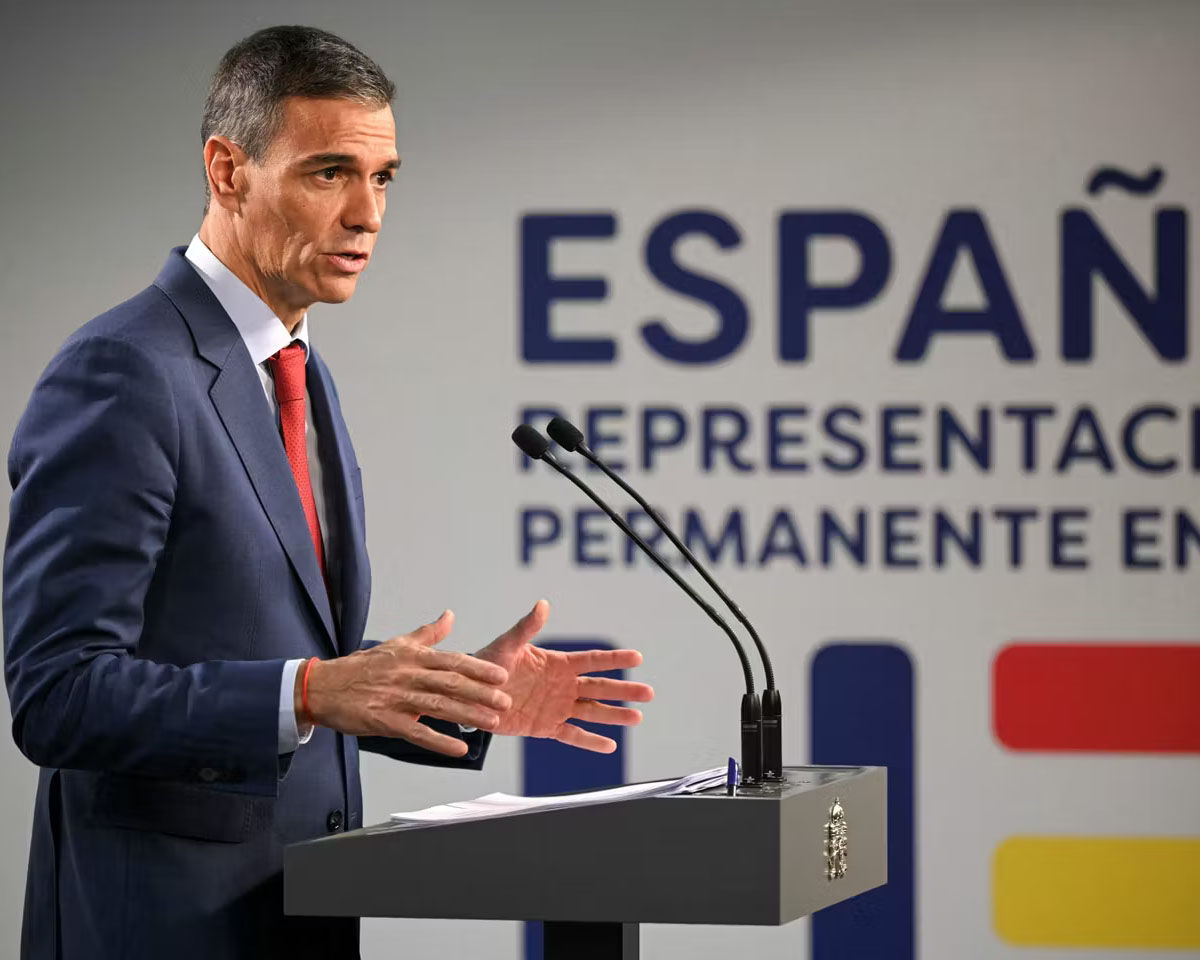
Photo Credit; Getty Images
The government of Spain has approved a significant plan to grant legal status to around 500000 undocumented migrants, marking one of the country’s most notable immigration decisions in recent years. The initiative, led by Prime Minister Pedro Sánchez, aims to formally integrate hundreds of thousands of people who are already living and working within Spanish society.
According to Sánchez, the move is both a practical necessity and a matter of fairness. In a public message addressed to citizens, he explained that the policy recognizes the reality that many undocumented migrants are already part of everyday life in Spain. He described the decision as an act of justice, emphasizing that these individuals contribute to the nation’s economy and social fabric.
Under the plan, eligible migrants will be offered a one year renewable residence permit. To qualify, applicants must demonstrate that they have lived in Spain for at least five months and must also provide proof of a clean criminal record. The application window runs from mid April to the end of June, giving potential beneficiaries a limited but important opportunity to regularize their status.
Supporters of the policy argue that it will strengthen Spain’s workforce and improve economic stability, especially as the country faces the challenges of an ageing population. Sánchez highlighted that migrants play a key role in sustaining public services and economic growth. He also pointed out Spain’s own history as a nation of emigrants, suggesting that the policy reflects both economic need and moral responsibility.
However, the proposal has sparked strong opposition from the conservative People’s Party, commonly known as PP. The party has pledged to block the legislation, arguing that it rewards illegal migration and could encourage more people to enter the country without proper documentation. Critics within the opposition also dispute the government’s estimates, claiming that the number of applicants could reach as high as one million rather than the projected 500000.
Despite political resistance, the plan has received backing from other quarters, including the Catholic Church, which has voiced support for the humanitarian aspect of the measure. Advocates say the policy will improve living conditions for many migrants by giving them access to stable employment and legal protections.
Estimates from the Funcas think tank suggest that Spain is home to around 840000 undocumented migrants, most of whom come from Latin America. For many of them, this initiative represents a chance to move out of uncertainty and into a more secure and dignified way of life.
The policy is not without precedent. Spain has carried out similar regularization efforts in the past, most notably in 2005 when more than 577000 people were granted residency under a previous Socialist government. Today’s proposal follows a similar logic, aiming to bring informal workers into the formal economy while acknowledging their existing contributions.
As debates continue, the outcome of this plan will likely shape Spain’s immigration landscape for years to come, balancing economic realities with political and social concerns.