

Photo Credit; Getty Images
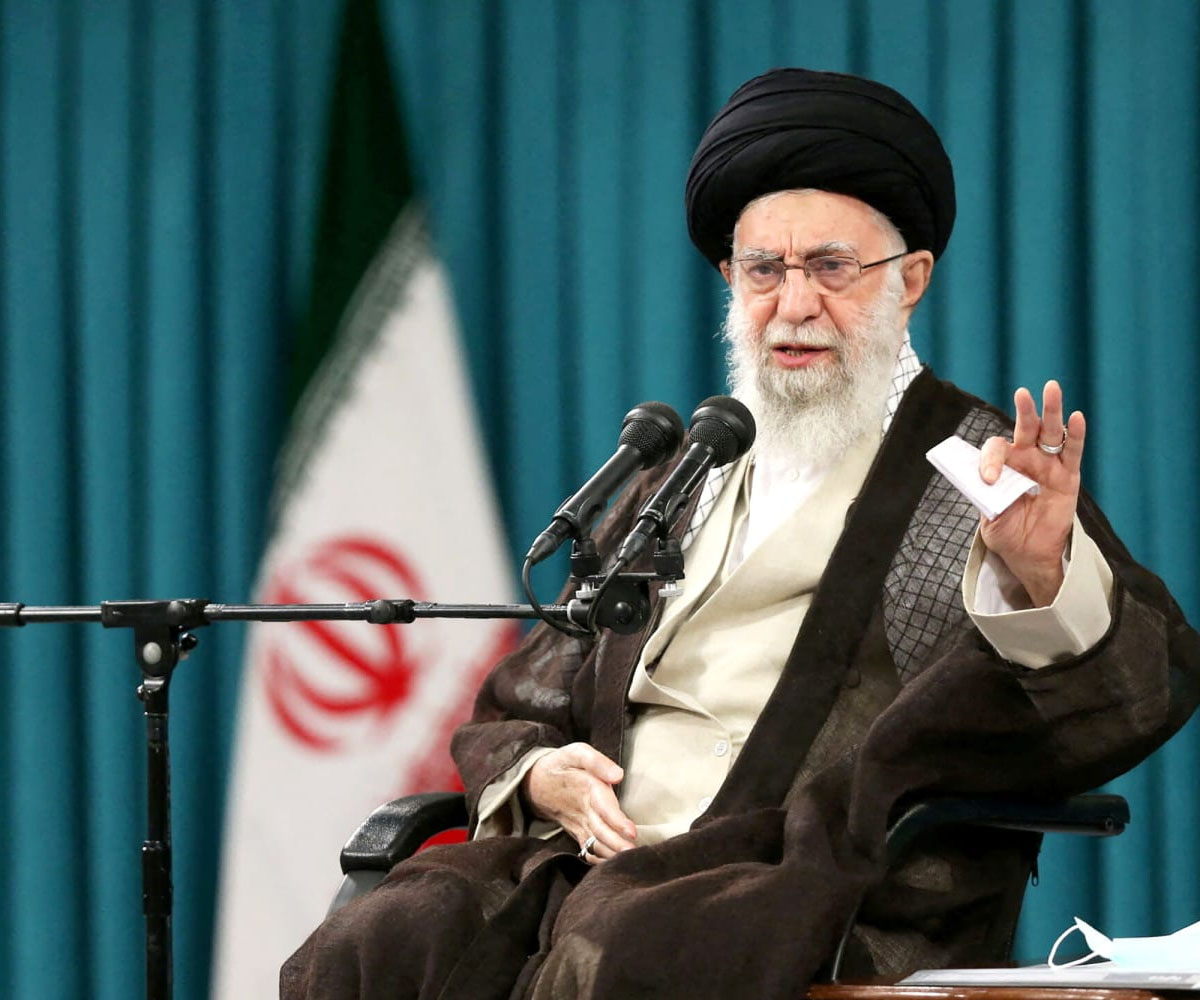
A senior official in Iran has dismissed assertions by Donald Trump that Tehran's leadership sought a ceasefire, underscoring deepening tensions as hostilities involving the United States and Israel persist.
Speaking from the Iranian capital, officials firmly denied any outreach requesting a halt to fighting. The rebuttal follows Trump's social media statement alleging that Iran's "new regime president" had appealed for an immediate ceasefire arrangement with Washington.
Iranian authorities described the claim as unfounded, maintaining that no such communication had taken place. The denial adds another layer of uncertainty to an already volatile conflict that has disrupted global energy flows and heightened geopolitical risks.
Earlier, Trump indicated that any consideration of a ceasefire would hinge on the reopening of the strategically vital Strait of Hormuz. The narrow passage, a key artery for global oil and gas shipments, has been severely impacted by the ongoing war, fueling concerns about supply shortages and economic instability worldwide.
In stark language, the US president warned that military operations would intensify until maritime traffic resumes, signaling no immediate de-escalation. The remarks come ahead of a planned primetime address in Washington, where Trump is expected to outline his administration's next steps.
The conflict has drawn mounting criticism both domestically and internationally. Rising fuel prices and economic strain have increased pressure on US leadership, while analysts question whether current strategies can deliver a swift resolution.
Observers note a contradiction in Trump's messaging—offering the prospect of a near-term end to the war while simultaneously escalating rhetoric. This dual approach has left allies and critics alike uncertain about Washington's true intentions.
Meanwhile, the closure of the Hormuz corridor continues to reverberate across global markets. With a significant portion of the world's energy supplies passing through the route, prolonged disruption risks triggering broader financial fallout.
As anticipation builds around Trump's upcoming address, expectations remain tempered. Early indications suggest the administration may frame the conflict as a short-term hardship, despite growing skepticism about how quickly stability can be restored.






