

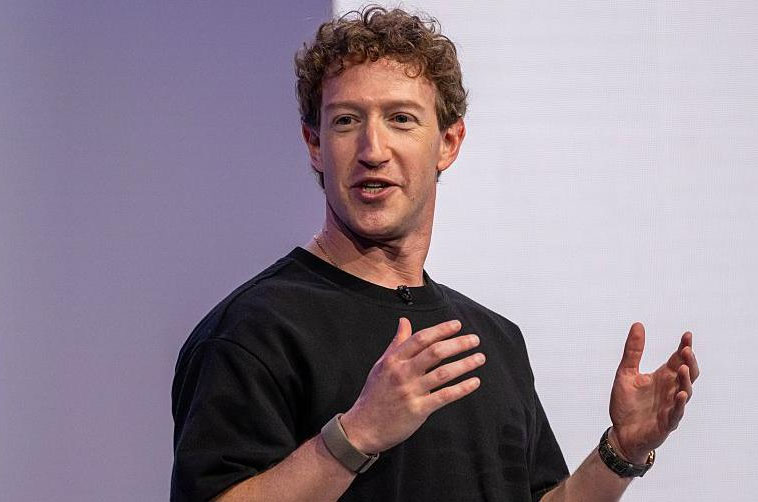
Photo Credit; Getty Images
A New Mexico court has ordered Meta to pay $375 million for misleading users about the safety of its platforms for children. A jury found the parent company of Facebook, Instagram, and WhatsApp liable for endangering minors by exposing them to sexual predators and explicit material. New Mexico Attorney General Raul Torrez described the verdict as a "historic" first, marking the first time a state has successfully sued Meta over child safety.
A spokeswoman for Meta, led by chairman and chief executive Mark Zuckerberg, said the company disagrees with the verdict and intends to appeal.
She said: "We work hard to keep people safe on our platforms and are clear about the challenges of identifying and removing bad actors and harmful content. We remain confident in our record of protecting teens online."
The jury found that Meta was responsible for violating New Mexico's Unfair Practices Act because it misled the public about the safety of its platforms for young users.
During a trial that lasted seven weeks, jurors were presented with internal Meta documents and heard testimony from former employees about how the company had been aware of child predators using its platforms.
Arturo Béjar, a former engineering leader at Meta who quit the company in 2021 and became a whistleblower, testified to various experiments he ran on Instagram that showed underage users were served sexualized content.
He said his own young daughter was propositioned for sex by a stranger on Instagram.
State prosecutors showed internal Meta research that, at one point, found 16% of all Instagram users had reported being shown unwanted nudity or sexual activity in a single week.
Meta argued that it has worked over the years to combat problem users of its platforms and promote safe experiences for minors.
In 2024, Instagram released Teen Accounts, giving young users more ways to control their experience. Just last month, it launched a feature that would alert parents if their children are looking for self-harm content.
The total civil penalty of $375m was reached after the jury decided there were thousands of violations of the act, each with a maximum penalty of $5,000.