

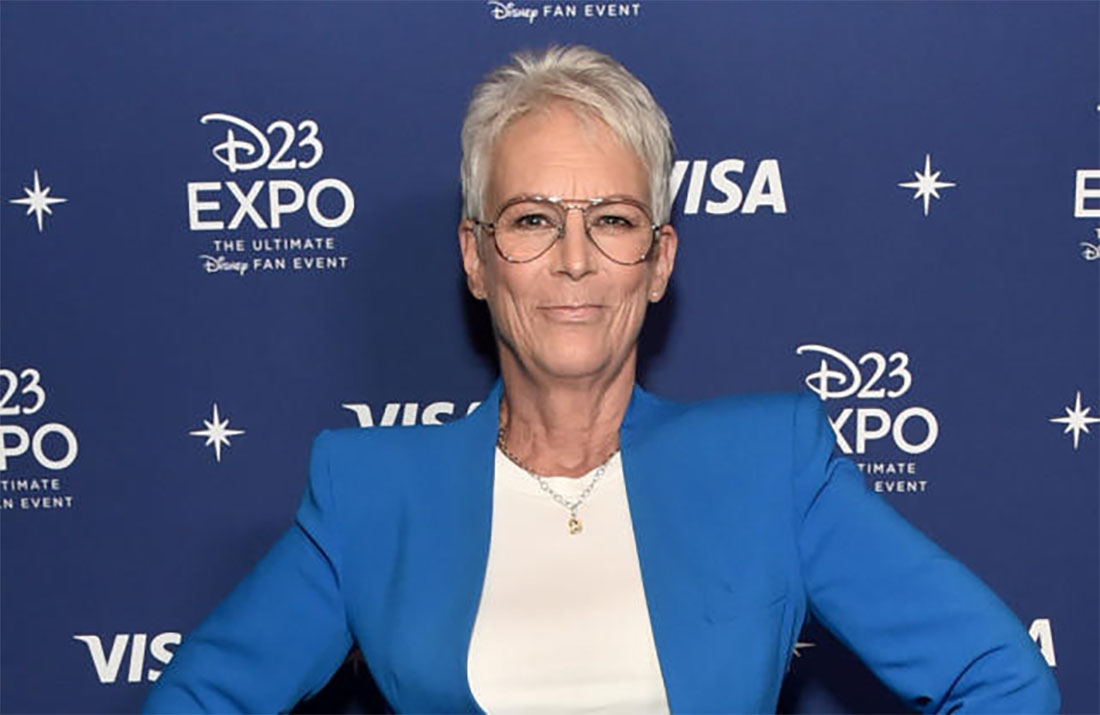
Photo Credit: Getty Images
Jamie Lee Curtis has addressed the controversy surrounding her emotional remarks about conservative commentator Charlie Kirk's death, explaining that her words were misunderstood.
The actress faced criticism after appearing on the WTF with Marc Maron podcast, which was recorded two days after Kirk was fatally shot while speaking at Utah Valley University on September 10. During the interview, Curtis became emotional as she reflected on his passing, saying she disagreed with nearly all of his views but acknowledged his faith and hoped he "felt connected" to it before he died.
While some commended her compassion, others accused Curtis of showing sympathy toward someone known for his anti-trans views. The backlash was particularly personal for Curtis, whose daughter Ruby is transgender.
Speaking to Variety on October 28, the Oscar winner said her comments were taken out of context. She explained that an excerpt circulating online "mistranslated" her meaning, making it sound as though she was praising Kirk. Curtis clarified that she had only been speaking about his faith, not his politics.
She added that her words were an example of how society struggles to accept complexity, saying people are often "vilified" for holding two seemingly conflicting ideas at once.
Despite the online criticism, Curtis said she doesn't plan to censor herself. She explained that if she were trying to be cautious, she would avoid discussing such issues altogether. Instead, she said she chooses to speak honestly, even when her views may not fit neatly into one side of a debate.
Kirk, who was 31, founded the conservative group Turning Point USA and was known for his outspoken opposition to progressive causes. His death sparked widespread discussion online after footage of the shooting spread across social media platforms.
On the podcast, Curtis also raised concerns about the psychological impact of repeatedly viewing violent content online. She noted that society has become "numb" to such imagery and questioned what long-term effects it may have on people's sense of empathy and humanity.
Curtis, who continues to advocate for human rights and freedom of identity, said in earlier interviews that she believes in the right of every person "to be who they are" and will always oppose efforts to restrict that freedom.