

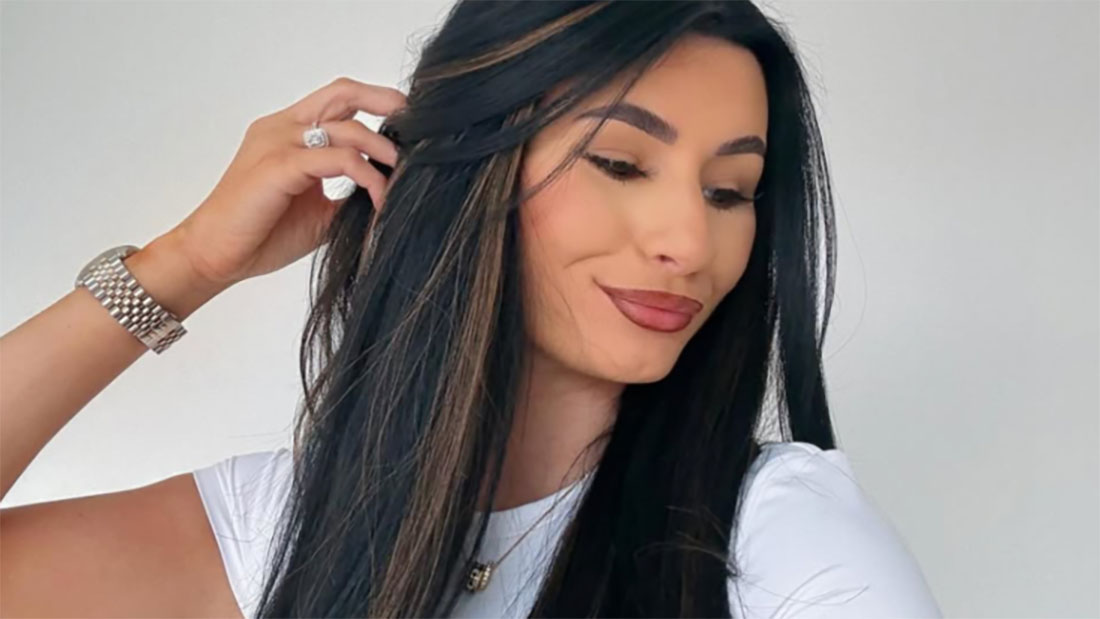
Photo Credit:Getty Images
UK-based social-media creator and TikTok personality Brittany Miller has publicly addressed the long-running controversy surrounding her 2017 claim of having stage-three gastric cancer, admitting in a tearful video to her 3.5 million followers that the diagnosis was false. With a mix of regret and explanation, she acknowledged the deception while attributing her actions to acute mental-health struggles at the time.
Miller said the false cancer claim emerged during a period marked by overwhelming emotion. She claims she had lost her job and partner in quick succession and felt suicidal and lost. In her statement, she explained that the narrative began when she told someone in her inner circle that she was ill. The resulting crowdfunding page was removed as soon as she discovered donations were being made. She insisted she did not personally benefit and maintained she never intended the claim to be part of a long-term scheme.
The public disclosure follows the resurfacing of her 2020 conviction in the UK for fraud by false representation. Miller was given a 12-month conditional discharge and ordered to pay compensation and legal costs. Although the matter is several years old, the issue erupted back into public view when her influencer status grew and relationships with charitable campaigns raised questions about authenticity.
In her apology video, Miller repeatedly emphasised that her behaviour stemmed from desperation rather than financial gain or a bid for social-media fame. “I didn’t do this for likes or followers,” she said, clarifying the incident preceded her widespread online presence. She spoke candidly of seeking to keep people close to her during her darkest days, admitting she “said something stupid” and “deeply regretted” it.
Despite the controversy, Miller has built a successful online brand focusing on comfort-food content, haul videos and lifestyle clips featuring her partner and twin sons. Her confession stirred both supportive responses and scepticism. Some followers expressed empathy and praised her transparency, while others regarded her admission as long overdue.
In discussing her future, Miller stated she is now mentally well, credits her partner’s support and is working on personal growth. She expressed a desire to advocate for mental-health awareness, saying she wants to use her platform for positive change. However, she also acknowledged the damage done to her credibility and pledged to earn back trust slowly.