

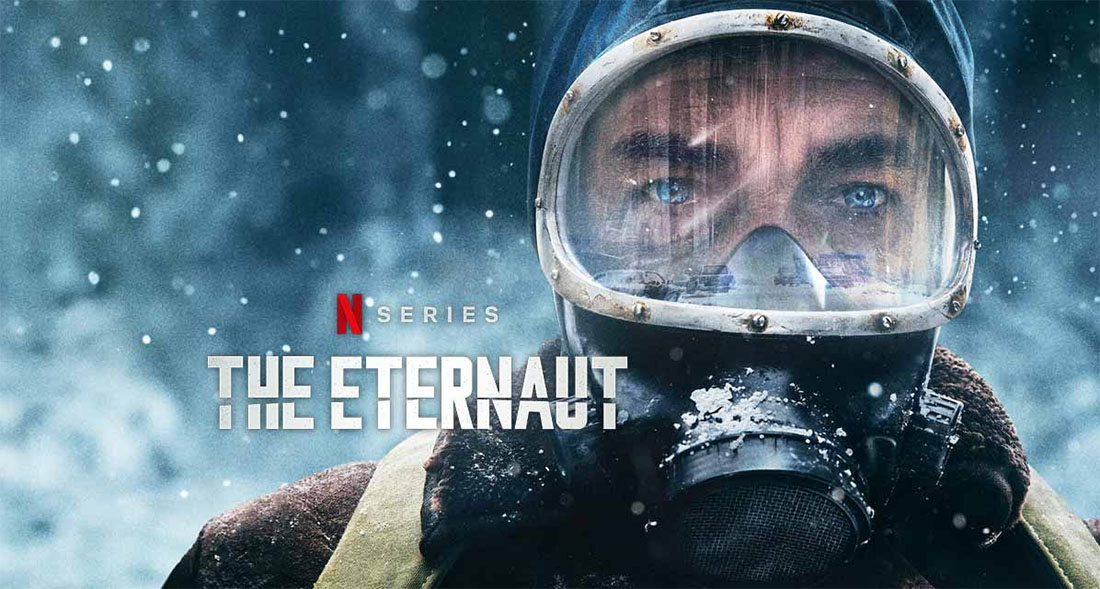
Photo Credit: Netflix
Netflix says it used generative AI for visual effects in its new Argentine sci-fi series,The Eternaut, marking the platform's first official use of AI-generated footage in a released production.
The company disclosed the move during its Q2 2025 earnings call, with co-CEO Ted Sarandos confirming that a dramatic scene, a building collapse in Buenos Aires, was created using generative AI. Sarandos says traditional VFX would have been too expensive and time-consuming. "That VFX sequence was completed 10 times faster than it could have been with traditional tools," he said.
Netflix partnered with its internal unit, Eyeline Studios, to produce the AI-driven visuals. Sarandos added that the creators of The Eternaut were "thrilled with the result."
This comes as Netflix reports $11 billion in Q2 revenue — up 16% from the same period in 2024 — with profits rising to $3.1 billion. Major viewership came from Squid Game: The Final Season, which pulled in 122 million global views, according to the company.
The announcement has sparked fresh debate in the industry, especially in the wake of the 2023 Hollywood strikes. Generative AI was one of the core issues raised by both writers and actors, who demanded limits and protections. Actor-producer Tyler Perry even paused a major studio expansion due to concerns about the technology's impact.
Despite the backlash, Netflix's decision signals a broader shift. Davier Yoon of Singapore's CraveFX says AI is opening doors for smaller productions. "It feels like a matter of time," he said. Still, Yoon insists that human creativity must remain central: "It's the artist who decides what's in the final image, not AI." Co-CEO Greg Peters also hinted at future AI applications beyond visuals. He mentioned possible voice-activated AI search functions and marketing tools that could benefit from automated content generation. "That's super exciting," Peters said during the call.
Netflix has not confirmed whether AI will be used in more productions going forward, but the company appears open to expanding its use of the technology, especially if it reduces costs and accelerates delivery timelines.
With studios watching closely, The Eternaut may become a case study in how AI reshapes entertainment. Whether it's viewed as innovation or intrusion, Netflix's admission places it at the center of a rapidly evolving debate.
The company disclosed the move during its Q2 2025 earnings call, with co-CEO Ted Sarandos confirming that a dramatic scene, a building collapse in Buenos Aires, was created using generative AI. Sarandos says traditional VFX would have been too expensive and time-consuming. "That VFX sequence was completed 10 times faster than it could have been with traditional tools," he said.
Netflix partnered with its internal unit, Eyeline Studios, to produce the AI-driven visuals. Sarandos added that the creators of The Eternaut were "thrilled with the result."
This comes as Netflix reports $11 billion in Q2 revenue — up 16% from the same period in 2024 — with profits rising to $3.1 billion. Major viewership came from Squid Game: The Final Season, which pulled in 122 million global views, according to the company.
The announcement has sparked fresh debate in the industry, especially in the wake of the 2023 Hollywood strikes. Generative AI was one of the core issues raised by both writers and actors, who demanded limits and protections. Actor-producer Tyler Perry even paused a major studio expansion due to concerns about the technology's impact.
Despite the backlash, Netflix's decision signals a broader shift. Davier Yoon of Singapore's CraveFX says AI is opening doors for smaller productions. "It feels like a matter of time," he said. Still, Yoon insists that human creativity must remain central: "It's the artist who decides what's in the final image, not AI." Co-CEO Greg Peters also hinted at future AI applications beyond visuals. He mentioned possible voice-activated AI search functions and marketing tools that could benefit from automated content generation. "That's super exciting," Peters said during the call.
Netflix has not confirmed whether AI will be used in more productions going forward, but the company appears open to expanding its use of the technology, especially if it reduces costs and accelerates delivery timelines.
With studios watching closely, The Eternaut may become a case study in how AI reshapes entertainment. Whether it's viewed as innovation or intrusion, Netflix's admission places it at the center of a rapidly evolving debate.