

Photo Credit: Getty Images
Beauty advent calendars have become a popular Christmas purchase, promising shoppers a daily selection of perfumes, skincare and cosmetics in the weeks leading up to the festive season. However, growing criticism over their contents and prices is prompting consumers to question whether the products offer genuine value or simply encourage unnecessary spending.
The debate has intensified following the backlash against Kim Kardashian's SKIMS advent calendar, which was priced at approximately $148. Customers complained that its contents, including hair clips, scrunchies and keychains, did not justify the cost. The brand subsequently offered purchasers a full refund or store credit after acknowledging that the product had failed to meet some expectations.
The controversy has highlighted a wider concern within the beauty industry, where expensive seasonal collections are increasingly marketed as exclusive experiences. With some calendars costing hundreds of dollars, consumers are becoming more deliberate about examining what they are actually purchasing.
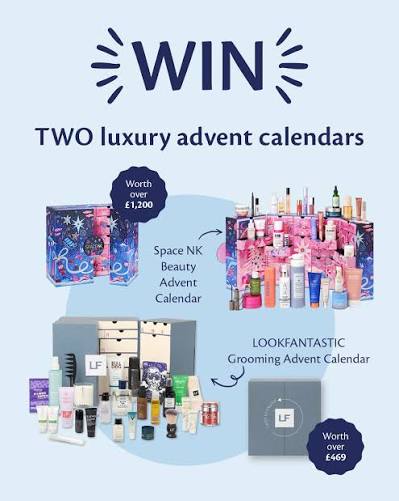
Julia, a 39-year-old commercial manager, says she prefers to inspect the contents before committing to a purchase. She recently spent approximately $215 on a Space NK fragrance calendar, explaining that several products were fragrances she had wanted to try. She also managed to resell items she did not like, making the purchase more worthwhile.
Other shoppers share her cautious approach. Fashion journalist Priya Raj says beauty calendars can provide an opportunity to sample products without purchasing full-sized versions. However, she rarely buys them because many contain only a handful of items she genuinely wants.
Podcaster Rhea Somaiya has also expressed concern that some brands fill their calendars with inexpensive or irrelevant products. She argues that disappointing surprises can gradually turn the excitement of opening each compartment into frustration.
According to market research from Ipsos, beauty products account for approximately 15 per cent of advent calendars sold, with younger consumers particularly interested in the category. Influencer unboxing videos and limited availability announcements have helped brands generate excitement and encourage early purchases.
However, marketing alone does not guarantee customer satisfaction. Marketing consultant Jessica Jasper believes some companies are taking advantage of the trend by charging increasingly high prices without providing sufficient value.
Beauty calendars may offer savings when compared with purchasing every product individually, but Professor Heather Widdows argues that consumers are unlikely to use everything included.
For many shoppers, the real test is therefore not how many products a calendar contains, but how many they actually want. As the SKIMS controversy demonstrates, festive packaging and celebrity branding cannot always compensate for disappointing contents.