

Photo Credit: Getty Images
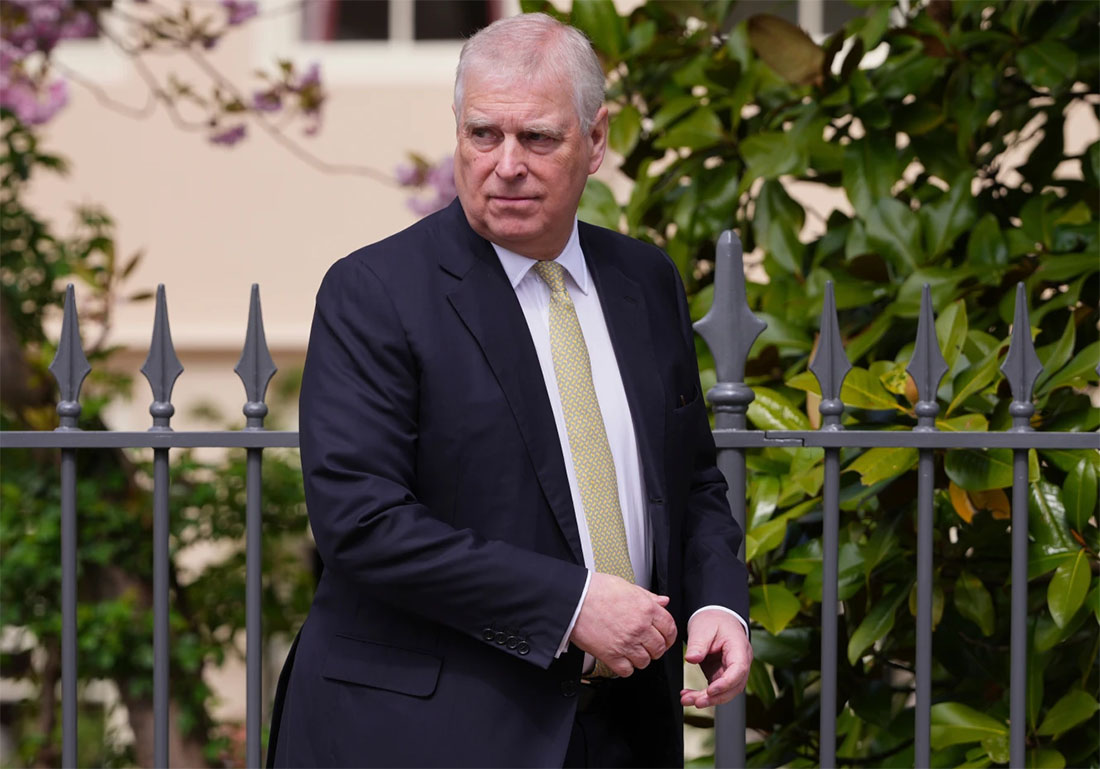
The Cabinet Office has withdrawn official government papers referring to Andrew Mountbatten Windsor after admitting they were released in error. The documents were part of the annual transfer of records to the National Archives under the twenty year rule and were briefly shared with journalists under embargo before being pulled back.
The papers came from a No 10 file dating from 2004 and 2005 and related to overseas royal visits. The original version included minutes of a meeting that discussed the foreign travel of several members of the Royal Family, including the then Duke of York. At the time, Andrew was serving as a United Kingdom trade envoy and frequently travelled abroad in that role.
After journalists had sight of the material, references to Andrew were removed before the file was formally released to the public on Tuesday at the National Archives in Kew, west London. The Cabinet Office, which oversees the transfer of records, said the documents were never intended for public disclosure.
A spokesperson said all records are managed in line with the Public Records Act and that releases go through an extensive review process involving expert stakeholders. The Cabinet Office described the incident as an administrative error.
The decision to withdraw the papers has prompted criticism from anti monarchy campaigners. They argue there is no justification for withholding routine government records, particularly given Andrew has since been stripped of his royal titles following his association with the late sex offender Jeffrey Epstein. Andrew has consistently denied any wrongdoing.
Graham Smith, chief executive of the campaign group Republic, said the Royal Family remains one of the most secretive institutions in the country. He argued that documents such as these should be released openly so the public can make informed judgements.
Journalists who saw the minutes before they were withdrawn said the content appeared largely routine. The discussions focused on Andrew’s travel as a trade envoy, including planned visits to China, Russia, southeast Asia and Spain. His heavy travel schedule at the time earned him the nickname Airmiles Andy.
The same batch of newly released papers also sheds light on other areas of government decision making during the period. Files from the Foreign Office reveal that officials ruled out military intervention to remove Zimbabwe’s long serving leader Robert Mugabe, despite growing frustration within Tony Blair’s government. An options paper from 2004 warned that any United Kingdom led action would be politically isolated, expensive and lack a clear exit strategy. It concluded such an approach was not a serious option.
Officials acknowledged there were few effective ways to increase pressure on Mugabe, who at eighty years old was described as depressingly healthy and determined to manage his own succession.
Other documents show Downing Street was forced to apologise after a birthday telegram sent by then Prime Minister John Major to the Queen Mother in 1994 caused offence. Although the message left No 10 correctly, an error in transmission was blamed, leading officials to suggest abandoning telegrams altogether.
The files also highlight limits on transparency under the Freedom of Information Act. Officials refused to release details of a private conversation between Blair and French President Jacques Chirac following the death of Diana Princess of Wales, arguing such disclosures were not in the public interest.
Finally, the papers reveal ambitious but abandoned plans for a major redevelopment of Downing Street under Blair. Codenamed Project George, the proposals included underground conference facilities, security upgrades and improved infrastructure. Despite warnings about failing services, the plans were dropped for reasons not explained in the files.