

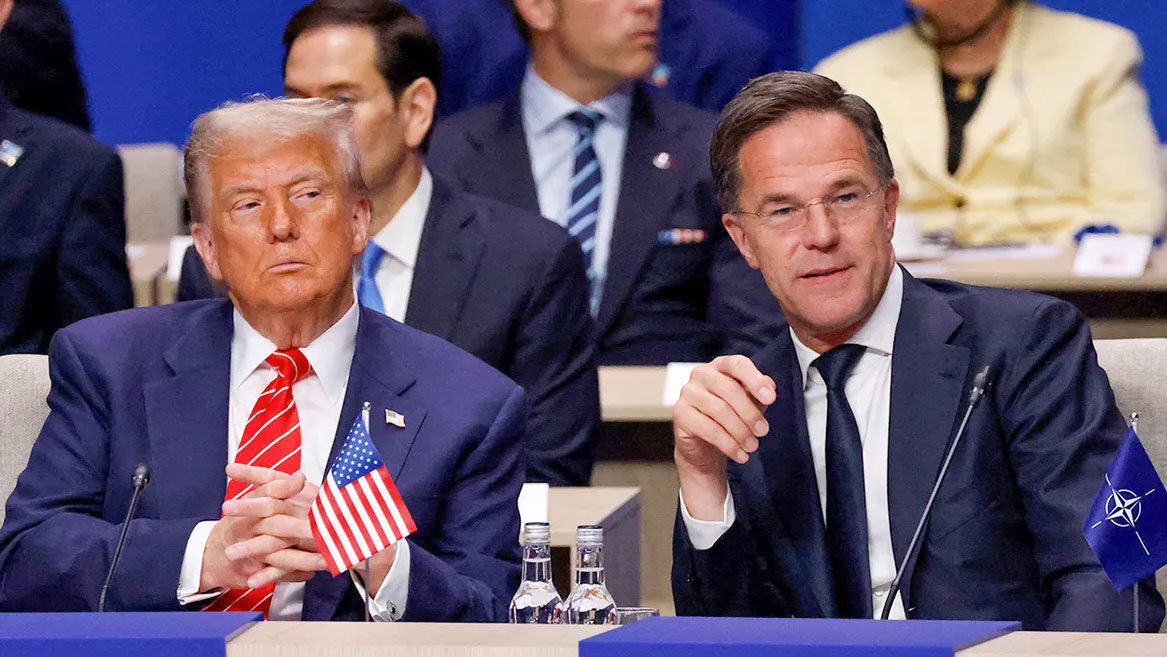
Photo Credit; Getty Images
European leaders are mobilizing with rare unanimity following President Donald Trump's Saturday announcement threatening sanctions against nations opposing American claims to Greenland, the autonomous Danish territory.
The unprecedented move has triggered an emergency Sunday gathering of EU ambassadors in Brussels, coming on the heels of massive demonstrations in Nuuk, where roughly 25% of the capital's residents protested potential annexation.
The reaction from European capitals has been swift and remarkably unified, with allies recognizing a fundamental challenge to transatlantic partnerships.
Emmanuel Macron of France, despite previous efforts to maintain cordial relations with Trump, characterized the tariff warnings as unacceptable. The French leader declared on social media that intimidation would not sway European positions on Ukraine, Greenland, or elsewhere, emphasizing that Europeans would maintain coordinated responses while protecting their sovereignty.
British Prime Minister Keir Starmer condemned the approach, stating that levying tariffs against allies defending NATO's collective security was entirely inappropriate.
Notably, even Giorgia Meloni of Italy, who generally maintains positive ties with Washington, termed the decision a mistake during her South Korean state visit. She revealed having already spoken with Trump by phone, expressing disagreement with penalizing nations contributing to Greenland's defense.
A joint declaration from eight European nations, including Britain, Germany, and France, warned that such tariff threats damage transatlantic bonds and could trigger a perilous deteriorating cycle.
Trump's social media statement justified the territorial ambition by citing Chinese and Russian Arctic threats and his proposed Golden Dome missile defense system. However, analysts note America's existing 1951 agreement already permits defense installations on the island, including Pituffik Space Base, which Vice President Vance toured in March 2025.
European officials argue Trump's unilateral approach benefits adversaries. EU foreign policy chief Kaja Kallas suggested Beijing and Moscow celebrate allied divisions. Spain's Pedro Sanchez warned that American military action would devastate NATO and please Vladimir Putin by legitimizing his Ukraine invasion.
The controversy may derail last year's US-EU trade agreement, with European Parliament leader Manfred Weber indicating approval is impossible given current tensions.






