

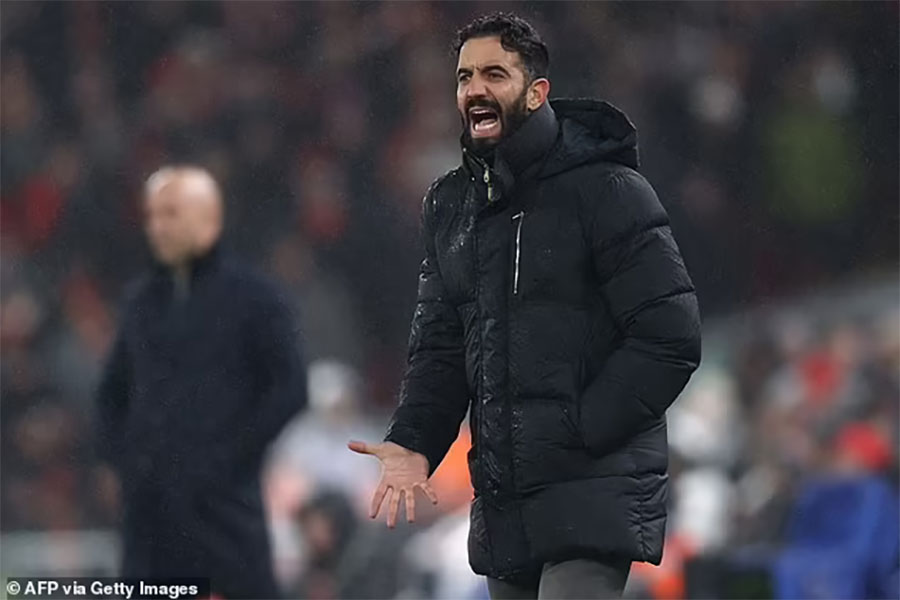
The findings revealed that Amorim, Liverpool manager Arne Slot and Newcastle United boss Eddie Howe were among the most frequent targets in the men's game. Amorim said he accepts that criticism is part of being a public figure, but he sees avoiding social media as essential for his mental health. He explained that he does not watch television when discussions about Manchester United come up, not because he disagrees with the pundits, but because avoiding constant commentary keeps him healthy. He added that his own judgement as a coach is what he relies on, and that he does not need the added pressure of external voices.
The BBC analysis was carried out with data science company Signify, examining posts made during ten Premier League fixtures and six WSL matches played on 8 and 9 November. The research showed that managers are targeted more frequently than players and that 82 percent of abusive messages are posted on X, formerly known as Twitter. Most of the abuse originated from accounts based in the UK and the Republic of Ireland, and the overall volume of such messages appears to be increasing.
Amorim acknowledged that staying off social media comes at a personal financial cost. He said he could make significant income through Instagram sponsorships but has decided that preserving his family's wellbeing is far more valuable. He stressed that no online critic can be harsher than he is on himself when his team underperforms. In his view, the normalisation of abuse means that avoiding it entirely is the only realistic way to cope.
United ended last season in 15th place, their lowest league finish since the relegation campaign of 1973 to 1974. They also lost the Europa League final to Tottenham and failed to qualify for European competition. This season they were eliminated from the Carabao Cup by League Two side Grimsby Town and currently sit seventh in the Premier League ahead of their match against West Ham.