

 Photo Credit; Getty Images;
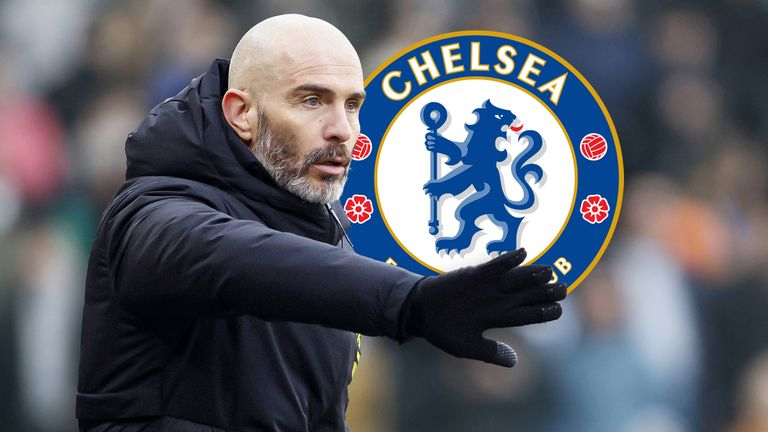
Less than six months after leading Chelsea to Club World Cup glory, Enzo Maresca has departed his role as head coach following a sharp downturn in form and growing internal tension.
Chelsea managed just one win from their final seven Premier League matches under Maresca and currently sit fifth in the table, 15 points behind leaders Arsenal. After a 2-2 draw with Bournemouth on December 30, assistant manager Willy Caballero said Maresca was too unwell to face the media. However, it later emerged that the Italian was instead reflecting on his future. Two days later, his exit was confirmed.
The situation marked a dramatic shift from late November, when Chelsea appeared settled and ambitious. The team were third in the league and had recently delivered an emphatic Champions League performance against Barcelona. On December 12, Maresca was named Premier League Manager of the Month for November.
December brought only one league victory and increasing scrutiny. Tensions surfaced after a 2-0 win over Everton, when Maresca described the period as his "worst 48 hours" at the club. Those comments surprised senior figures and staff, particularly as they followed a positive result. The remarks were later linked to disagreements over medical advice and player usage, with club officials concerned about injury risks and training overload.
Despite the friction, Chelsea initially planned to review Maresca's position at the end of the season. Sources close to the coach, however, said he had become increasingly unhappy, citing pressure over team selection, substitutions, and what he felt was a lack of public backing from the club.
Chelsea had been satisfied with Maresca's first season, which delivered Champions League qualification along with Conference League and Club World Cup success. He had embraced a structure in which ownership and sporting directors oversaw recruitment and support departments, while he focused on coaching a young squad assembled through the club's long-term transfer strategy.
Problems persisted behind the scenes. Maresca felt his work with a developing team was undervalued and was frustrated that disagreements were not addressed privately. He also disagreed with certain transfer decisions and restrictions on outside engagements, which further strained relations.
Fan sentiment shifted as results declined. Supporters booed some of Maresca's decisions, including the substitution of Cole Palmer in recent matches, and criticism grew both in stadiums and online. While some players supported him, others questioned tactical choices during heavy defeats.
Ultimately, Chelsea opted to move on, prioritising their wider project over continuity in the managerial role. The squad returns to action facing a demanding January schedule across domestic and European competitions, with Champions League qualification for next season still within reach.






