

Photo Credit; Getty Images
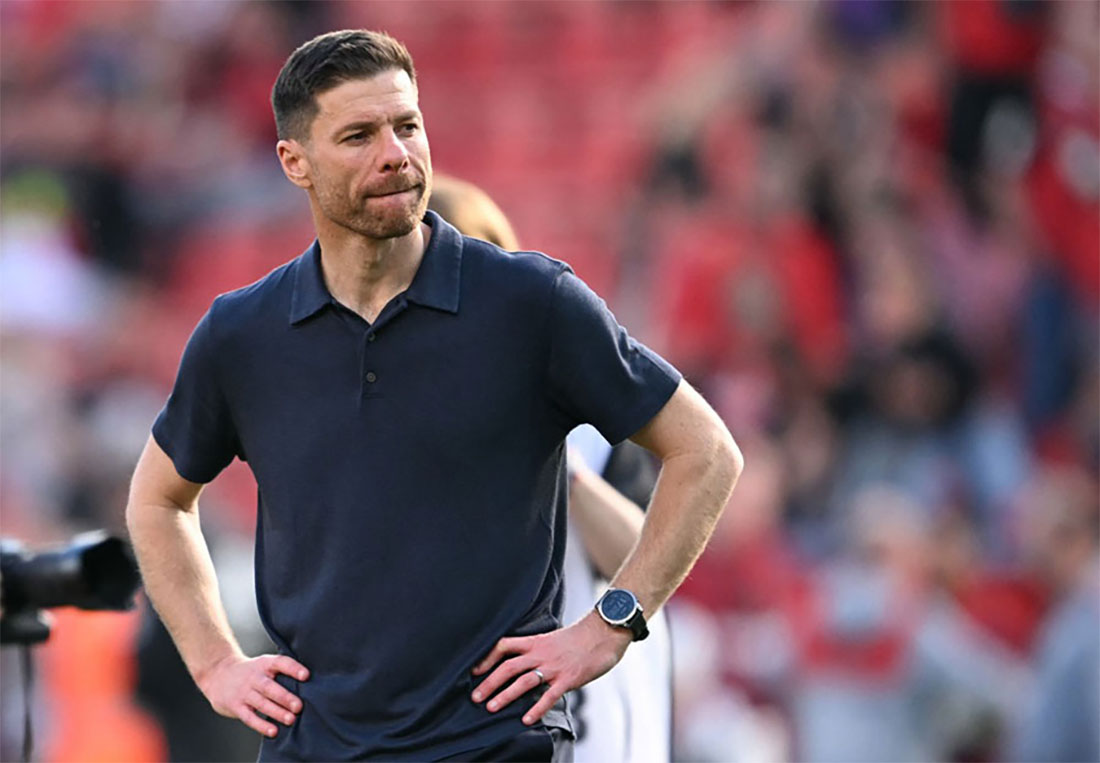
The images circulated quickly. Kylian Mbappe gesturing for his teammates to leave the pitch, Xabi Alonso asking him to stay, Mbappe insisting, and Alonso ultimately turning away. There was no guard of honour for Barcelona after their Spanish Super Cup victory on Sunday. For many, it appeared a lack of sporting courtesy, something unexpected from a manager of Alonso's stature. It also suggested a deeper truth: the team, rather than the coach, was in control.
The match had been tight and decided by a deflection, and it seemed to capture Alonso's growing frustration. This was not a resignation, and it was not planned. Alonso did not anticipate leaving Real Madrid just seven months after his appointment. The club's official statement described the departure as a "mutual agreement," but for many observers, it was inevitable.
After months of disagreements over tactics and approach, the board met Monday afternoon to discuss Alonso's future. The explanations offered were vague. Comments were made that he had been unable to implement the style of football that had brought him success at Bayer Leverkusen, that the team's fitness was lacking, and that players
did not appear to be performing for him. Past defeats, including losses to Paris Saint-Germain in the Club World Cup semi-final and Atletico Madrid in La Liga, were noted.
Despite these issues, Real Madrid were still competitive, remaining in the top eight in the Champions League group stage, progressing in the Copa del Rey, and only four points behind Barcelona in La Liga. Yet Florentino Perez had never fully backed Alonso. From the outset, Alonso felt isolated, unable to shape the culture of a squad accustomed to individual brilliance. His tenure began under restrictions, with no input on the timing of the Club World Cup or certain transfers. Injuries, unfulfilled transfer requests, and a lack of strong personalities compounded the challenge.
Mbappe and Vinicius Junior's form and attitude highlighted the difficulties of managing a squad of superstars. Alonso struggled to impose the high pressing, tempo, and positional football that defined his Leverkusen side. Without player buy-in, his ideas could not take hold.
Now, Alonso must consider his next step. Leaving Madrid, though not his choice, may offer relief. Europe's top clubs remain interested in his services. Real Madrid, with its unique structure and culture, has once again demonstrated that some clubs resist being managed. Alvaro Arbeloa, Castilla coach, now faces a daunting task in attempting to succeed where Alonso could not. The situation underscores a familiar truth in football: some managers fit certain clubs, while some clubs defy management altogether.