

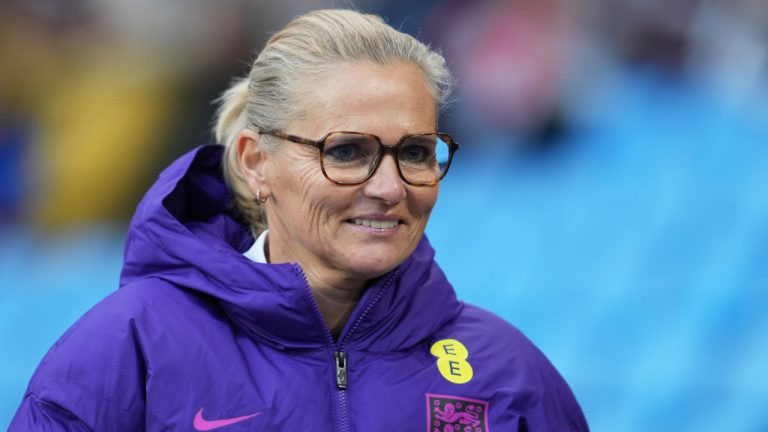
Photo Credit; Getty Images
FIFA has introduced new regulations requiring every team in its women's tournaments to include female coaches as part of their technical staff. The move is aimed at increasing representation and creating more opportunities for women in coaching roles across the sport.
The new rules will take effect during this year's FIFA U-17 Women's World Cup, FIFA U-20 Women's World Cup and the FIFA Women's Champions Cup. They will also apply to both youth and senior competitions at club and international level moving forward.
Under the updated guidelines, each team must have at least one female head coach or assistant coach. In addition, at least two members of the matchday bench staff must be women, with one occupying a key coaching position. The decision was approved during a FIFA Council meeting, where officials discussed long term strategies to improve gender balance within coaching.
According to FIFA's chief football officer Jill Ellis, the initiative addresses a long standing gap in the game. She noted that there are still too few women working in coaching roles and emphasized the need to accelerate progress. Ellis highlighted the importance of building clearer pathways, expanding access to opportunities and increasing visibility for female coaches at all levels.
The governing body hopes the regulation will lead to a noticeable rise in female representation in the coming years, particularly by the time of the FIFA Women's World Cup 2027. At the 2023 edition of the tournament, only 12 of the 32 teams were led by female head coaches, illustrating the imbalance FIFA is seeking to address.
Several high profile coaches are already leading the way. Emma Hayes, now managing the United States, has been vocal about the lack of women in coaching, previously describing it as a major issue in English football. Other notable figures include Gemma Grainger with Norway, Casey Stoney with Canada and Carla Ward with the Republic of Ireland.
Sarina Wiegman, one of the most successful coaches in the women's game, has also called for better balance. She has pointed out that increasing the number of women in top roles could inspire more to pursue coaching careers while still welcoming contributions from male coaches.