

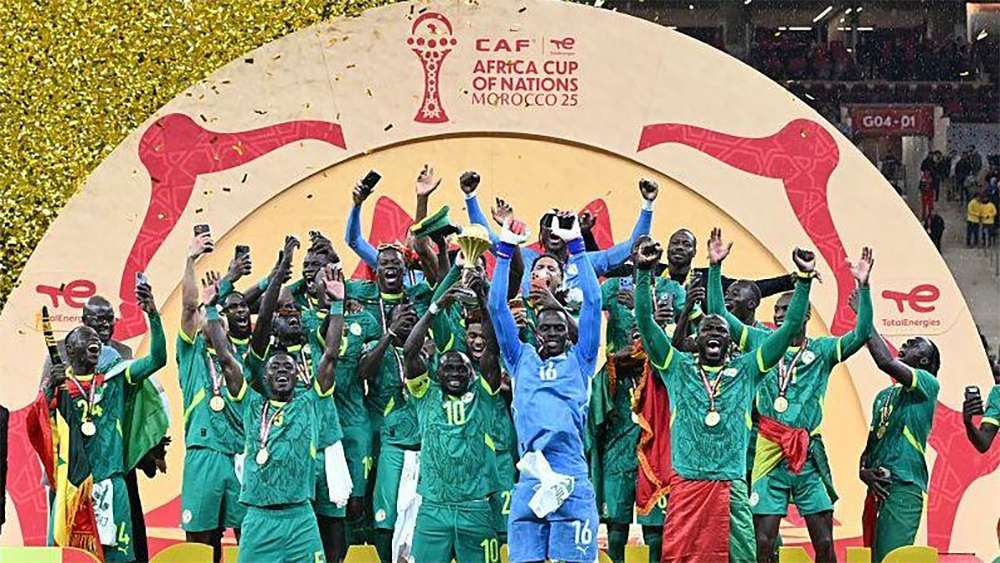
The governing body had announced in December that the continental competition would move to a four-year cycle as part of plans to restructure African football. However, following a review, Caf has decided to abandon the proposal and reinstate the tournament's biennial format.
Under the previous arrangement, Caf intended to introduce an African Nations League to serve as a replacement for Afcon during the intervening years. The competition was expected to generate additional revenue and provide a regular platform for national teams.
However, the organisation has acknowledged that establishing a financially sustainable African Nations League would take several years, making the proposed transition difficult to implement in the immediate future.
Caf president Patrice Motsepe said the decision to restore the two-year schedule was aimed at protecting the interests of African football and its 54 member associations, as well as players representing their national teams while playing for clubs outside the continent.
The biennial Afcon schedule has historically presented challenges for the international football calendar, particularly because recent editions have frequently taken place during the European club season.
The expanded FIFA Club World Cup, which featured 32 teams and was staged in June and July last year, also contributed to scheduling complications, forcing Caf to organise the tournament during the middle of the season.
With the latest changes, the next edition of Afcon will take place in 2027, with Kenya, Tanzania and Uganda jointly hosting the competition. The tournament will then return in 2028, followed by further editions in 2031 and 2033.
There will be no Afcon tournament in 2030 because of the FIFA World Cup, which is expected to affect the international football calendar.
The announcement comes after a controversial conclusion to the 2025 Afcon tournament. Senegal were initially crowned champions following their final against Morocco, but the result was overturned three months later, with Morocco subsequently awarded the title.
The decision sparked widespread debate across African football, adding to an eventful period for the continental governing body as it continues to review its competition structures and long-term development plans.