

Photo Credit: Getty Images
Canva has announced a major restructuring that will affect 22 per cent of its workforce, marking a difficult period for one of Australia's most prominent technology companies as it responds to slowing growth and rising artificial intelligence costs.
The design platform's co-founder and chief executive, Melanie Perkins, said 1,271 employees would face changes, including job losses, relocation or adjustments to their roles. Perkins described the decision as the hardest moment in the company's 13-year history.
In a message to staff, she said the business had experienced its most challenging year yet, with growth slowing for the first time in a decade. She acknowledged that the changes would mean saying goodbye to colleagues who had helped build the company.
Canva employs staff across 37 countries, but Sydney will become the primary home for more of its product teams. From next year, hybrid employees are expected to spend between two and three days each week in the office.
The restructuring comes as the company faces mounting pressure from the rapid development of artificial intelligence. Canva has been incorporating AI-powered features into its platform, but the technology has also raised questions about the future of design software and the costs involved in keeping products competitive.
Perkins said emerging technology was changing what people could create, how they created it and what they expected from the tools they used. The company's response, she indicated, would require significant organisational changes.
Canva's valuation has also reportedly declined over the past year. Two of its backers, Blackbird Ventures and Airtree, are said to have reduced its valuation from approximately US$41.8 billion at the end of last year to about US$34.1 billion.
The company has also reportedly lowered its own internal valuation as expenses associated with developing and launching AI products have increased.
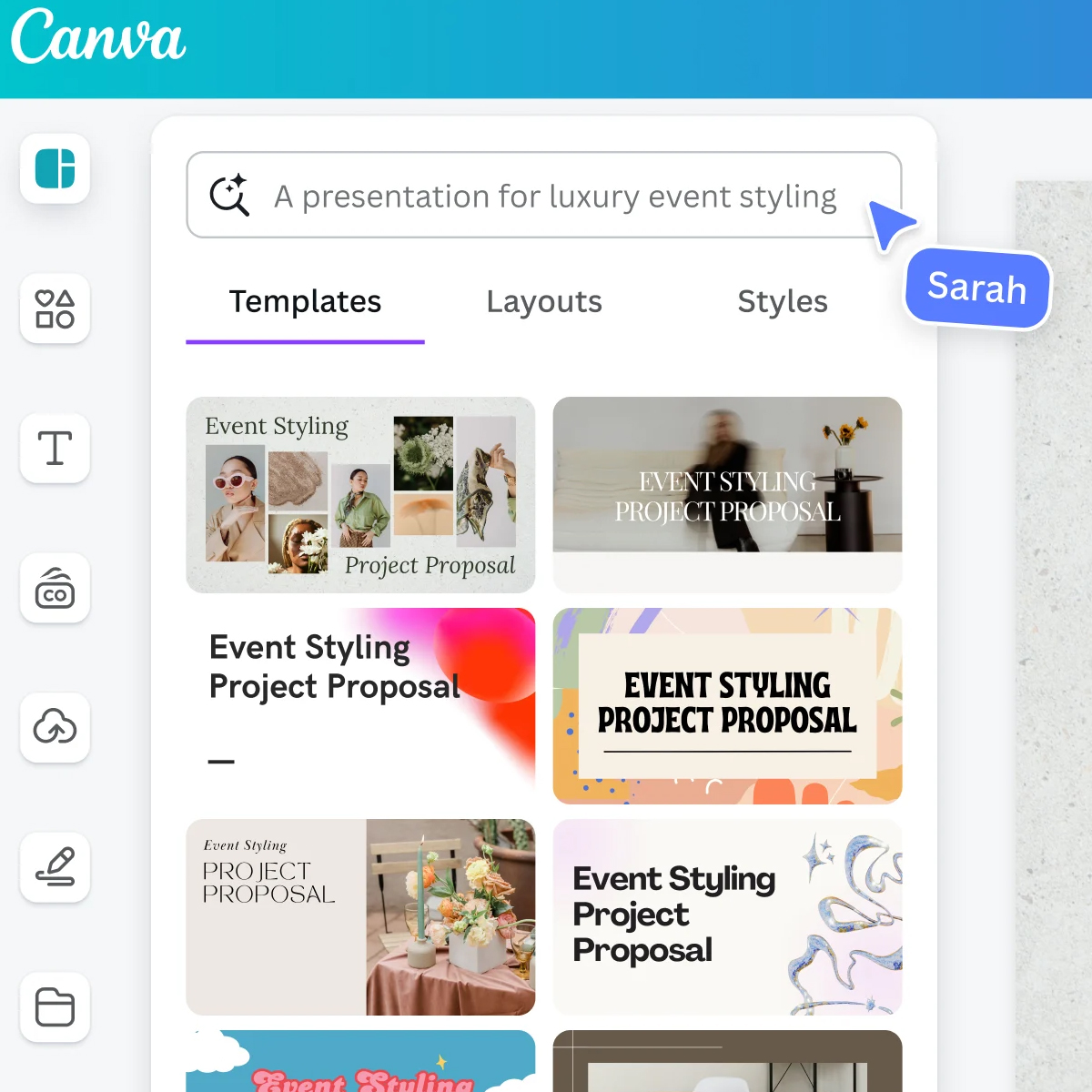
Founded in 2013, Canva was created to make graphic design more accessible to people without technical expertise. Its templates and tools allow users to produce presentations, invitations, marketing materials and other visual content without needing advanced design skills.
Perkins left university at 19 to pursue entrepreneurship, launching Canva after an earlier business venture. The platform grew into a major global design service, attracting users ranging from individuals and small businesses to large organisations.
The restructuring signals a turning point for the company as it attempts to balance its original mission of simplifying design with the demands of a rapidly changing technology sector.
For employees, the announcement brings uncertainty and difficult decisions. For Canva, it represents an effort to reposition the business for a future in which artificial intelligence is expected to play an increasingly central role in digital creativity.