

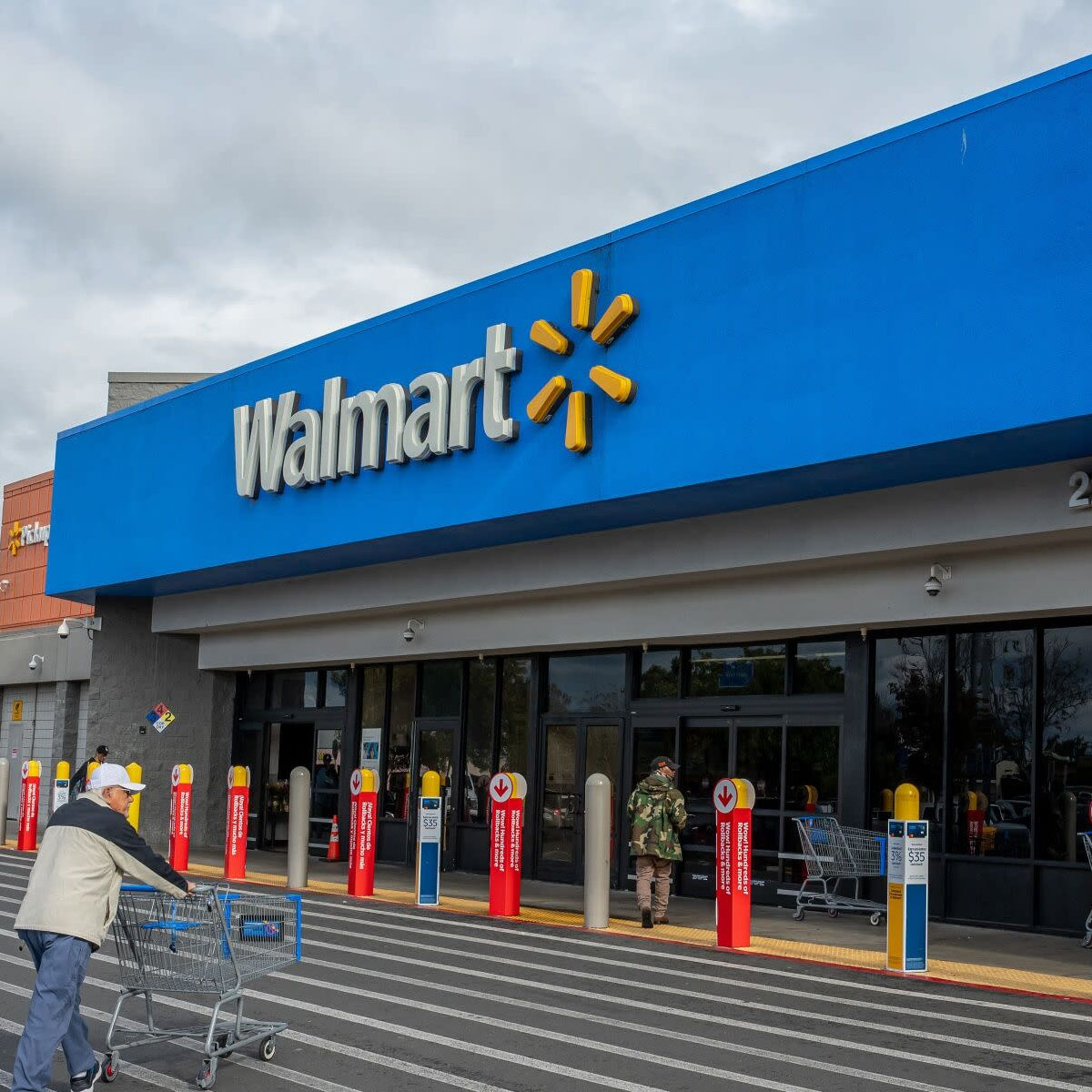
Photo Credit: Getty Images
Higher gasoline prices are putting pressure on American consumers, with Walmart reporting its slowest US store sales growth since the earliest months of the Covid 19 pandemic.
The retail giant reported $6.4 billion in net income for the three months ending July 31, supported by strong online spending and a record $2.9 billion refund on tariffs previously paid on imported goods. Despite the strong earnings, Walmart's shares fell more than 9% in early trading Thursday after investors focused on weaker sales growth at its US stores.
Sales excluding fuel increased by 2.6% during the quarter, significantly below the 4.6% growth recorded during the same period a year earlier. The latest figure represents Walmart's slowest US store sales growth since February through April 2020, when the pandemic dramatically disrupted consumer behaviour and retail activity.
Walmart is widely regarded as an important indicator of the health of American consumer spending because of its enormous customer base and presence across the country. The company said several factors contributed to the slowdown, including lower prices for GLP 1 weight loss drugs and the continued shift by consumers towards online shopping.
However, executives pointed to higher fuel prices as another important factor affecting household budgets. Chief Financial Officer John David Rainey said the consumer environment appeared softer than it had been in February, before gasoline prices began rising.
Rainey noted that once gasoline prices move above $4 a gallon, consumers can experience what he described as a psychological impact. Higher costs at the fuel pump can force households to reconsider spending on other goods and services, placing additional pressure on retailers.
Walmart plans to use the $2.9 billion tariff refund it received to make what it calls "price investments." The strategy will involve lowering prices on selected products in an effort to encourage consumers to continue spending despite economic pressures.
The company is not alone in receiving substantial tariff refunds. Target reported nearly $1 billion, while TJX received $331 million. Home Depot received $730 million and Lowe's reported an $80 million refund.
The refunds follow a US Supreme Court ruling in February that found President Donald Trump's broadest tariffs illegal. By July 31, the government had reportedly returned about $100 billion of the $168 billion collected from importers.
For Walmart, the refunds provide financial relief, but the company's weaker store sales show that higher household costs remain a challenge for American consumers.