

Photo Credit: Getty Images
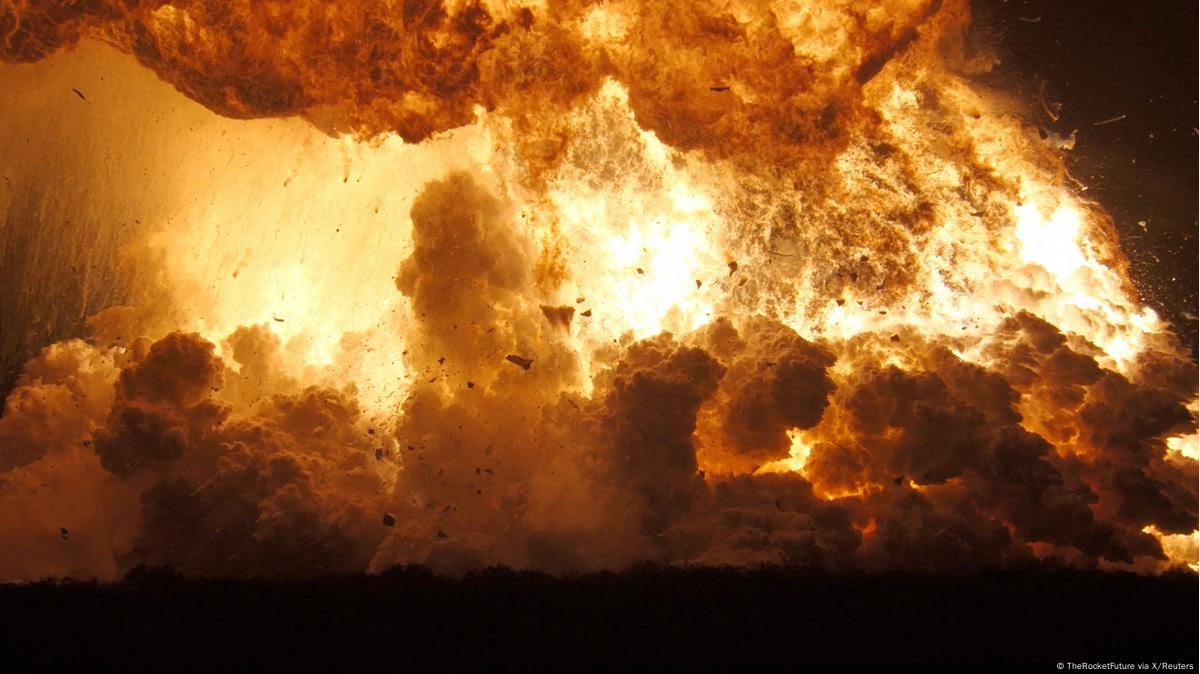
A SpaceX Starship rocket erupted into flames during a test at the company's Starbase facility in Boca Chica, Texas, on the night of Wednesday, June 18. The explosion occurred at approximately 11 p.m. local time while the vehicle was on a test stand preparing for its 10th test flight.
Footage of the incident, shared by NasaSpaceFlight.com on X, shows the rocket engulfed in a massive fireball, lighting up the night sky. In a post on X, SpaceX confirmed the explosion, stating the Starship "experienced a major anomaly while on a test stand at Starbase." The company added, "A safety clear area around the site was maintained throughout the operation and all personnel are safe and accounted for."
SpaceX assured the public there were "no hazards to residents in surrounding communities," and urged individuals to avoid the site while "safing operations continue." Local authorities echoed the company's statements, describing the incident as a "catastrophic failure," and confirmed that no injuries were reported.
The test was part of SpaceX's ongoing development of Starship, the world's largest and most powerful rocket, intended to revolutionize space exploration. The 394-foot-tall vehicle is key to Elon Musk's broader vision of enabling deep space missions, including transporting cargo and humans to the Moon and Mars.
This is not the first time Starship has experienced setbacks. According to previous reports from The New York Times and ABC News, earlier tests saw the rocket spiral out of control and disintegrate mid-flight. In March, a previous flight ended in flames shortly after liftoff, grounding aircraft in nearby Florida airports. The seventh and eighth test flights earlier this year also ended in fiery explosions.
Despite the failures, Starship remains central to several high-profile missions, including NASA's Artemis III and IV, which aim to return humans to the Moon in 2027 and 2028. The rocket is also slated to support the launch of the Starlab private space station and Musk's goal of sending Optimus robots and eventually humans to Mars by the early 2030s.
As investigations into the latest explosion continue, SpaceX has not provided a timeline for when the next test flight will take place, though one had been expected later this month.






