

Photo Credit: Getty Images
Intel's recent leadership shakeup has turned political, with President Donald Trump calling for CEO Lip-Bu Tan's immediate resignation over reported financial ties to China-linked tech firms. The rare presidential intervention triggered a 3% drop in Intel's share price, highlighting deepening scrutiny over foreign investment links in sensitive industries.
Tan, who assumed the role in March, is under fire following reports that he funneled over $200 million into Chinese chipmakers and suppliers, some with ties to the People's Liberation Army. A Reuters investigation in April revealed that Tan's venture capital arm, Walden International, jointly invested with Chinese state-backed funds in more than 20 entities. Several of those investments remained active as of late 2024, according to Chinese corporate filings.
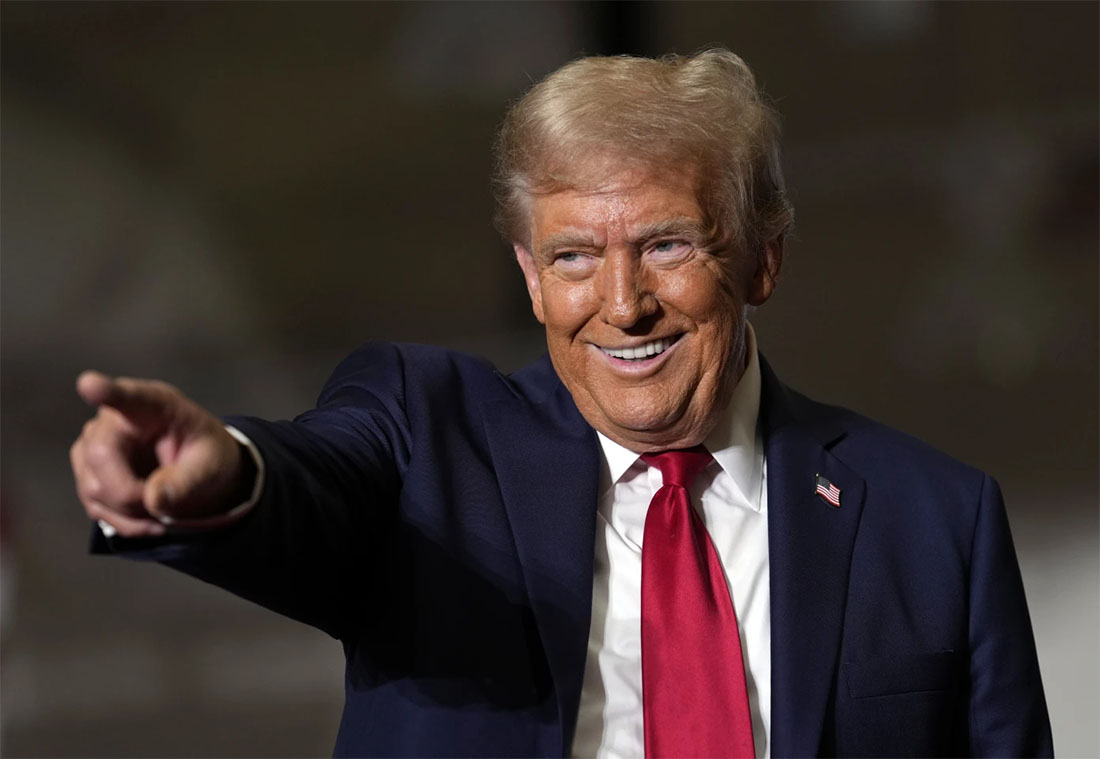
"This CEO is highly conflicted," Trump posted on Truth Social. "There is no other solution to this problem but resignation."
The backlash intensified after Sen. Tom Cotton (R-Ark.) sent a formal inquiry to Intel's board, questioning whether Tan had divested from entities tied to the Chinese military. Cotton cited national security concerns and asked whether Intel had adequately vetted its new leader's financial history. An Intel spokesperson responded, asserting the firm's "deep commitment to U.S. national security" and promising to address the senator's concerns directly. Still, neither Tan nor Intel publicly clarified the timeline or scope of any divestitures.
The controversy follows a recent $140 million penalty paid by Cadence Design, Tan's former company, for selling sensitive technology to a Chinese military-affiliated university. Tan led Cadence from 2009 to 2021. The Department of Justice connected the university to nuclear simulation research.
Intel's performance has already been under pressure. Its 2025 market value lingers below $100 billion, dwarfed by rival Nvidia's $4 trillion. The company recently delayed its Ohio chip plant to 2030, drawing criticism from Ohio Sen. Bernie Moreno, who suggested a fraud probe into the missed commitments.






