

Photo Credit: Getty Images
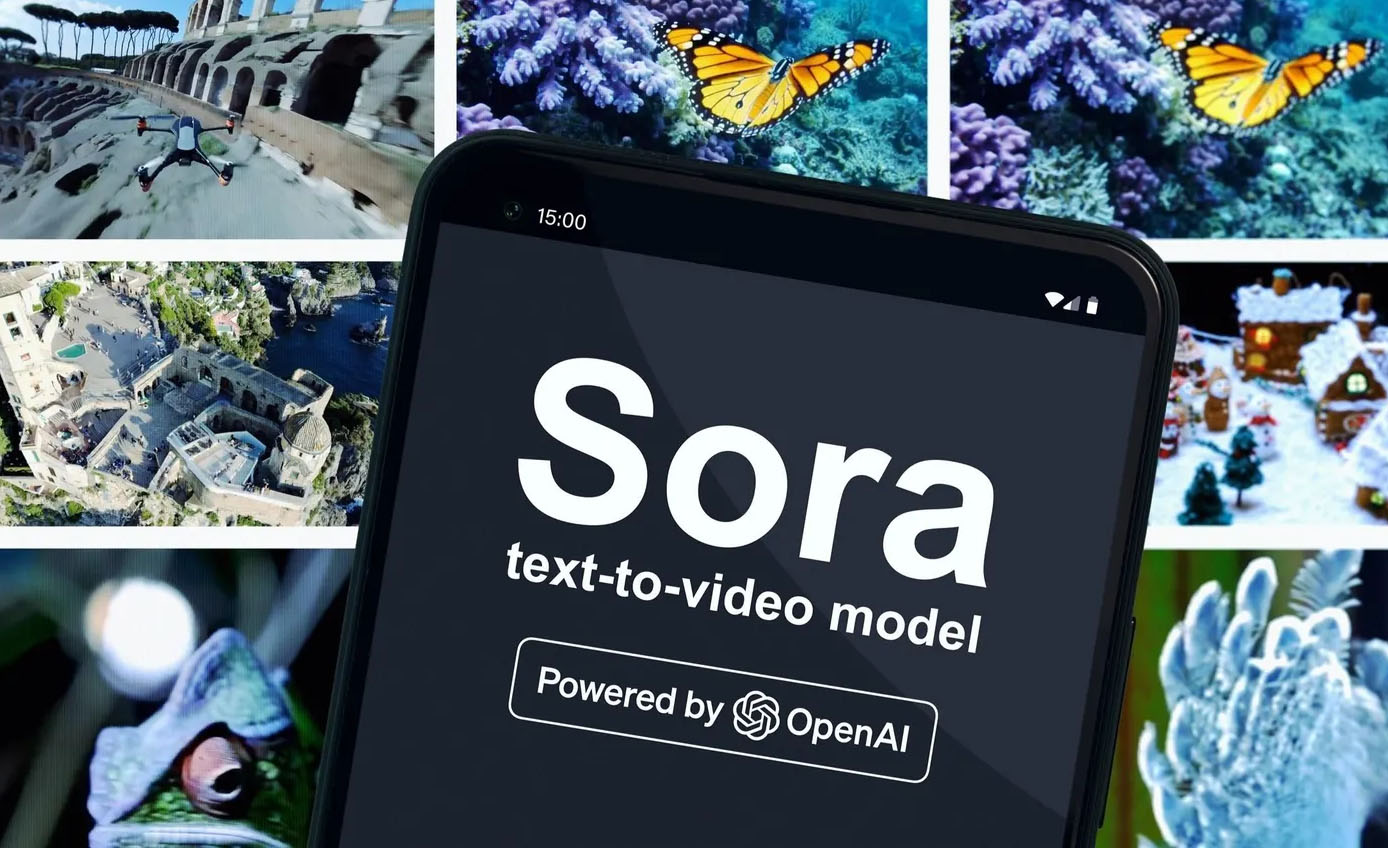
OpenAI’s latest artificial intelligence creation, the Sora text-to-video app, has become an instant sensation — and a source of heated debate. The app has crossed one million downloads in under five days, outperforming the launch growth of OpenAI’s own ChatGPT.
The app, currently available only to invited users in North America, lets people generate realistic 10-second videos from simple text prompts. Despite the limited rollout, Sora has surged to the top of the Apple App Store charts in the U.S., signaling massive public interest in AI-generated video tools.
Sora chief Bill Peebles announced the milestone in a post on X (formerly Twitter), describing the uptake as “surging growth.” But the excitement around the app has been tempered by growing concerns over copyright issues and the use of AI to recreate deceased public figures.
The app’s ease of sharing has led to a flood of AI-generated clips on social media — many showcasing hyperrealistic recreations of famous personalities. Some of the most widely shared videos feature late celebrities such as Michael Jackson and Tupac Shakur.
The trend has sparked backlash, including from Zelda Williams, daughter of the late comedian Robin Williams, who publicly pleaded with users to stop circulating AI-generated videos depicting her father. Her comments, shared widely across platforms, have been linked to Sora’s rise in popularity and the ethical questions surrounding it.
An OpenAI spokesperson, speaking to U.S. outlet Axios, acknowledged the sensitivity of the issue but defended Sora’s content policies. They stated there were “strong free speech interests” in allowing depictions of historical figures, while noting that authorized representatives of “recently deceased” individuals could request removal or restriction of such likenesses. However, OpenAI has not clarified what qualifies as “recent.”
Beyond likeness concerns, Sora is also drawing attention for videos that reference copyrighted material. Viral clips have featured fictional characters from major franchises, including one showing OpenAI CEO Sam Altman interacting with Pokémon characters, joking that “I hope Nintendo doesn’t sue us.” Another depicts a surreal scene of Altman grilling and eating Pikachu — an example of how Sora’s outputs blur the line between parody and potential infringement.
While Nintendo has not indicated any legal action, similar copyright disputes are ongoing across the AI industry. OpenAI and its peers face mounting scrutiny from creators and rights holders who argue that generative AI systems use protected works without permission.
Earlier this year, AI company Anthropic agreed to pay $1.5 billion to settle a lawsuit from authors alleging that their work had been stolen for AI training. This case underscored the massive potential liabilities AI developers face.
In response to growing criticism, Sam Altman recently wrote that OpenAI is “learning quickly” from how users are engaging with Sora. In a blog post published on October 4, Altman said the company is working to give rights holders more detailed control over how characters and likenesses are generated. He also suggested that revenue-sharing mechanisms may be introduced in the future to support creators.
Still, questions remain about whether rights holders will accept Sora videos as a form of “interactive fan fiction,” as Altman described them - or if the issue will soon reach the courts.
As Sora continues its meteoric rise, OpenAI finds itself once again at the intersection of innovation and controversy, navigating the fine line between creative freedom, ethical responsibility, and intellectual property rights.