

Photo Credit: Getty Images
It was something most people have likely done at one time or another: complain to others about feeling judged or dismissed during an interaction, maybe even take to social media to post about it.
But just because we might all have the same impulse, we all don’t have the same reach and impact. Exhibit A: a dispute between singer Kelly Clarkson and a small store in Brooklyn that’s brought out angry fans and heated commentary.
The conflict from over the weekend, involving a high-priced mechanical bird, is raising more issues than just the quality of customer service. It’s also a case study in power dynamics, and the differential that exists between someone with a high profile and those without.
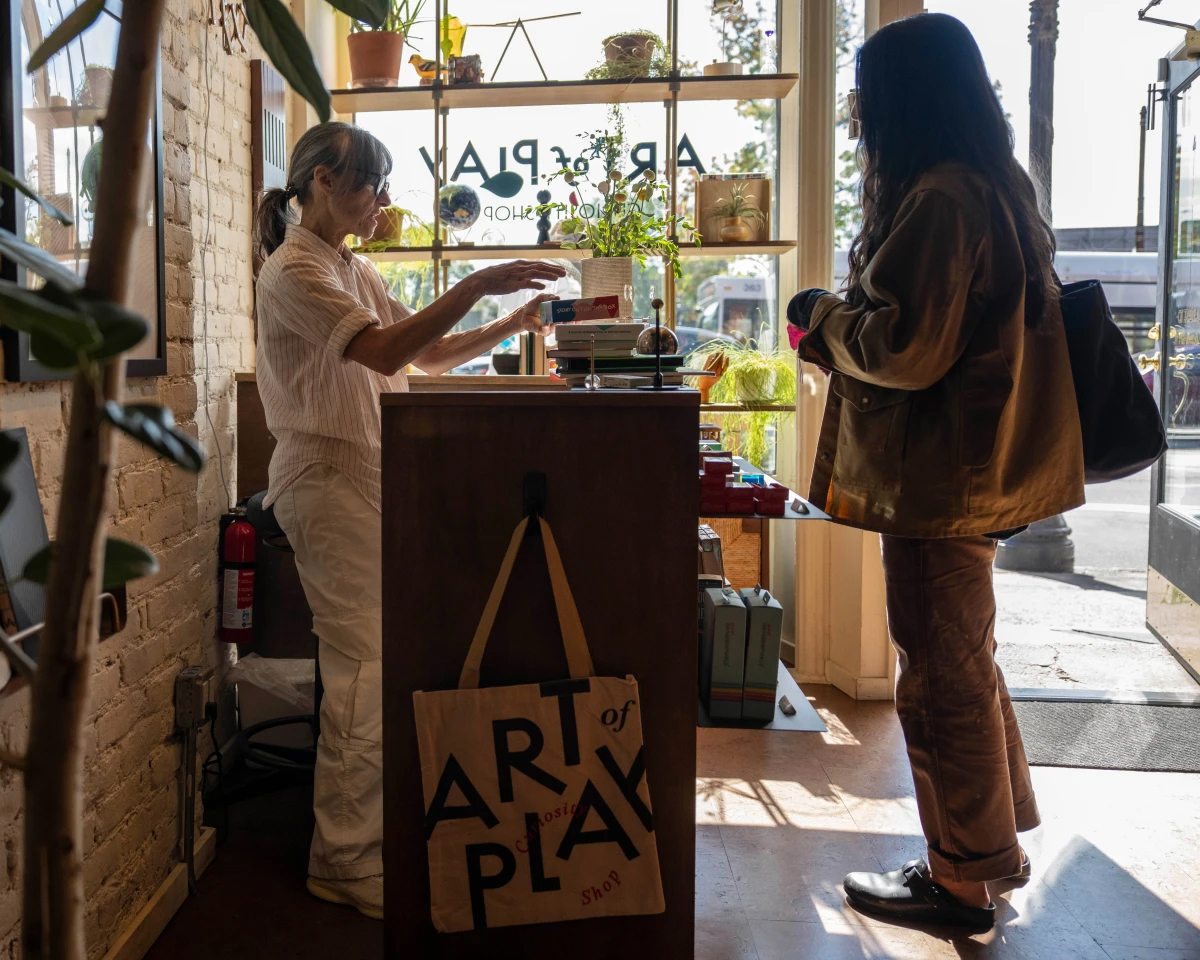
It started Saturday when Clarkson went to Art of Play, a store in Brooklyn that offers items like books, games and playing cards and also hosts magic shows. But the interaction turned negative, she said in a social media post, when she “was looked at as if I couldn’t afford it” and went on to say the store had “just lost a huge sale.” She named the store and gave it a thumbs down.
A back-and-forth ensued, with the store making its own posts saying initially that the item wasn’t for sale and then adding that they had tried to find her an alternative. Clarkson said that wasn’t true.
Since Clarkson’s initial post, there’s been a barrage of commentary online — and, the store owners say, in the real world. There have been hateful messages and reviews, and even someone showing up at the store, said Adam Rubin, one of the partners.
“I don’t understand why these people are willing to debase themselves on behalf of a celebrity they never met,” he said. Representatives for Clarkson did not respond to repeated attempts to get comment.
The power of celebrity is potent
Celebrities have power in different ways. They can influence what people feel as well as impact what they think or believe, said Alfred Archer, assistant professor at Tilburg University in the Netherlands, who has done research around the ethics and politics of fame.
In a situation like Clarkson’s, the influence is heavily weighted in the celebrity’s favor as a result, he said. That doesn’t mean celebrities should be censored or barred from speaking, but they should be cognizant of that reality in determining what they say and how they say it.
“You can’t hold the celebrity responsible for everything that their followers do, of course,” Archer said, but those who have influence should remember that their words can resonate widely and “be careful about what they put on social media and what they communicate in public for that reason.”
That power can also have positive ripples — like when Ms. Rachel, the children’s educator and YouTube star, asked people on social media for Black-owned businesses to support. She gave recognition to small businesses like a coffee shop in New Jersey, leading to a huge jump in sales and popularity.
“I think really the responsibility here is to use this power in a responsible way,” Archer said. “And of course, what that looks like in any individual case is going to be a decision for a particular celebrity to make. But they do have to think about it a bit more carefully than an ordinary member of the public does.”
While everyday people have always been fascinated by the famous, the explosion of social media and the glut of information — and the way we follow our family and friends right along with our favorite stars — means there’s more of a likelihood that people can develop parasocial, or one-sided, unreciprocated relationships with celebrities. That can lead to the kind of harsh messages and bad reviews that the Brooklyn store says it has experienced.