

Photo Credit: Getty Images
Pharmaceutical research firms in China are increasingly turning to domestically produced reagents, signaling a potential long-term shift away from reliance on Western suppliers. Rising tariffs on U.S. goods, cost considerations, and supply chain efficiency are driving this trend, according to industry executives.
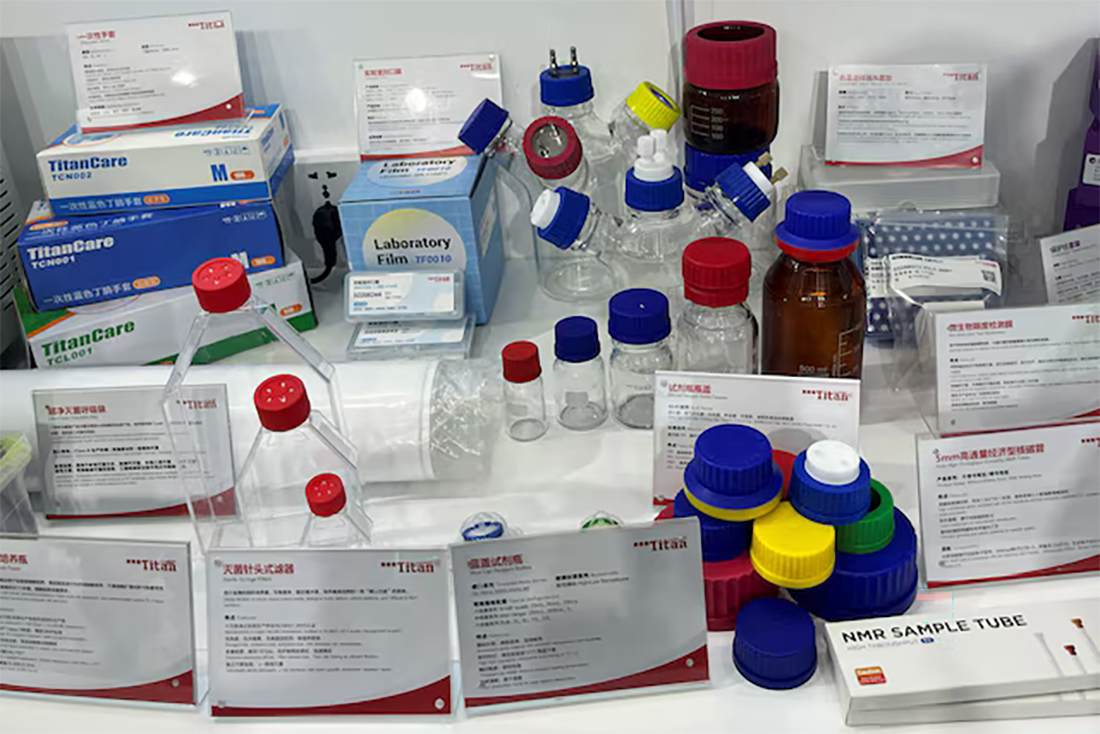
For years, global companies such as Thermo Fisher Scientific and Merck have dominated China's reagent market, valued at $5.76 billion in 2024. Now, local firms like Shanghai Titan Scientific and Nanjing Vazyme Biotech are gaining ground, offering shorter delivery times and competitive prices.
The change accelerated in April when China temporarily raised duties on U.S. imports to 125%. "To customers these tariffs are like a shock," said Xu Xiaoyu, senior vice president at Vazyme. Since then, more than 90% of its clients have explored replacing imported reagents with domestic alternatives.
Market forecasts suggest strong growth ahead. Titan's annual revenue is expected to rise 22% in 2025, while Vazyme is projected to grow by 15%. Shares in both companies have surged this year, even as their Western rivals' stock prices have declined.
Challenges remain, including regulatory hurdles for switching reagent suppliers during drug development and patent-protected technologies held by foreign firms. Nevertheless, analysts predict China's reagent market will grow over 10% annually in the next five years, fueled by government support for biotech and pharmaceutical innovation.
Western companies are adapting. Merck is building a €70 million reagent facility in Nantong, and Roche is expanding its Suzhou operations to serve Asian markets. Thermo Fisher, however, has declined to disclose its strategy in China.
This shift underscores both the commercial opportunities for Chinese manufacturers and the geopolitical pressures reshaping global pharmaceutical supply chains.