

Photo Credit: Getty Images
In Istanbul, patients at private hospitals are witnessing an unusual blend of ancient tradition and modern medicine. Therapies once confined to informal settings, such as wet cupping and leech treatments, are increasingly being offered in clinical environments under strict regulation. Known locally as hacamat, wet cupping is among the practices now embraced by certified medical professionals.
The shift comes after legislative reforms a decade ago, which aimed to reduce infection risks associated with unregulated practitioners. Today, doctors in 66 of Turkey's 81 provinces are certified to perform traditional and complementary medicine under government oversight.
Treatments are often personalized, accounting for factors such as toxin load and medical history. In some cases, cupping is even timed with lunar cycles, as practitioners believe gravitational forces enhance its effectiveness.
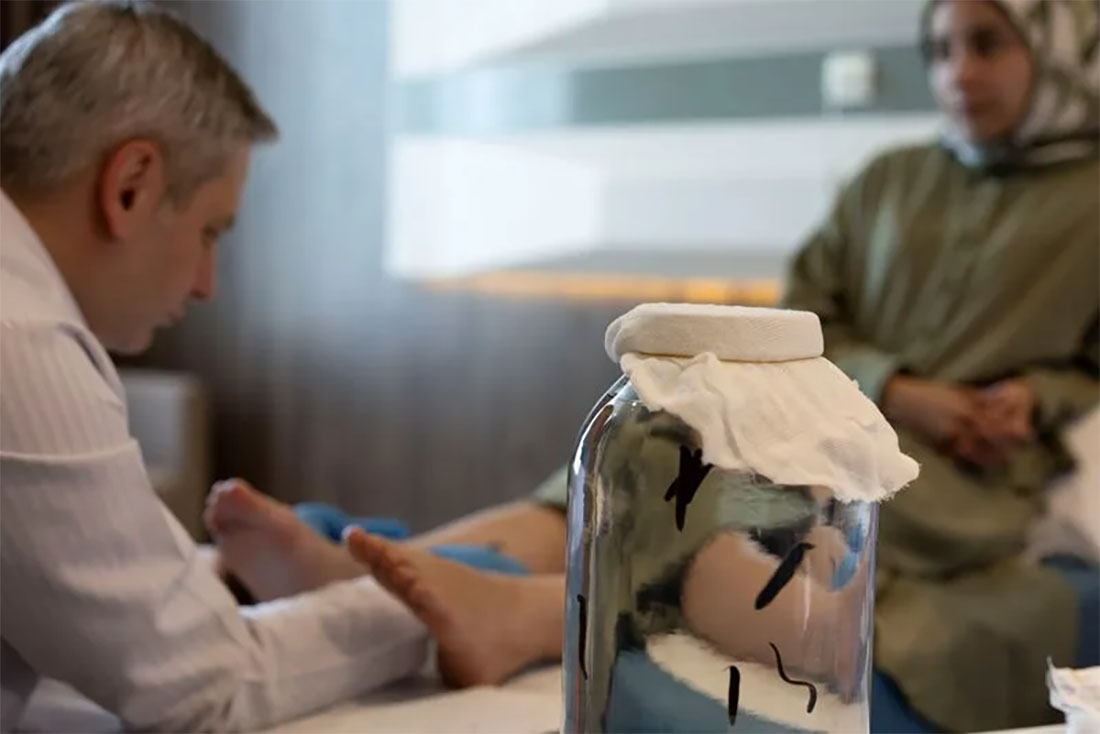
Leech therapy remains another popular method. Leeches, placed on specific parts of the body, release anticoagulant enzymes that improve circulation and support tissue healing. Patients with conditions like varicose veins or joint pain often turn to the therapy when conventional options provide limited relief.
Turkey's health authorities emphasize that these practices are complementary, not alternatives to proven medical interventions. Nevertheless, the integration of such methods into mainstream healthcare demonstrates the nation's recognition of their cultural and historical significance.
Once a practice associated with folk healers, traditional medicine in Turkey now operates under hospital protocols, sanitary conditions, and medical supervision. Patients who may have previously shied away due to safety concerns now see these treatments as credible and beneficial.
This marriage of modern science and ancient wisdom represents not only a cultural preservation but also an effort to broaden healthcare options. In a world where many patients seek holistic solutions, Turkey's model could serve as an example of how tradition and innovation can coexist in pursuit of better health.