
Photo Credit: AP

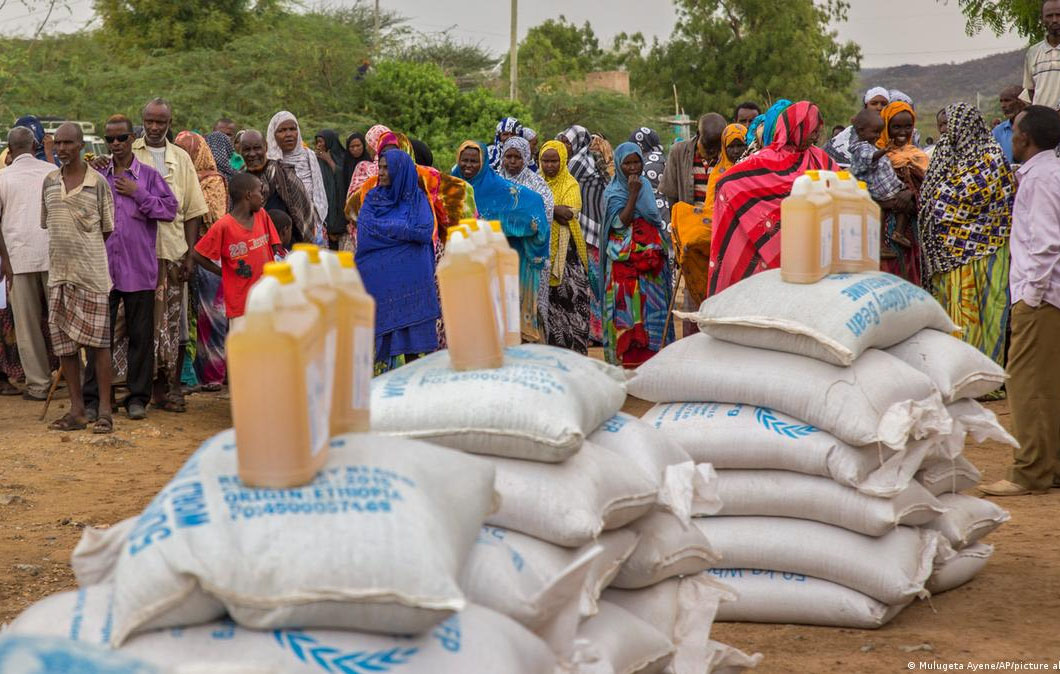
Countries on Tuesday pledged more than $610 million to address the "critical" humanitarian situation in Ethiopia, where more than 21 million people need aid and a dire food crisis is deepening.The United Nations held a donor conference at their European headquarters to raise funds for aid towards Ethiopia's economic, climate, food and malnutrition crisis.
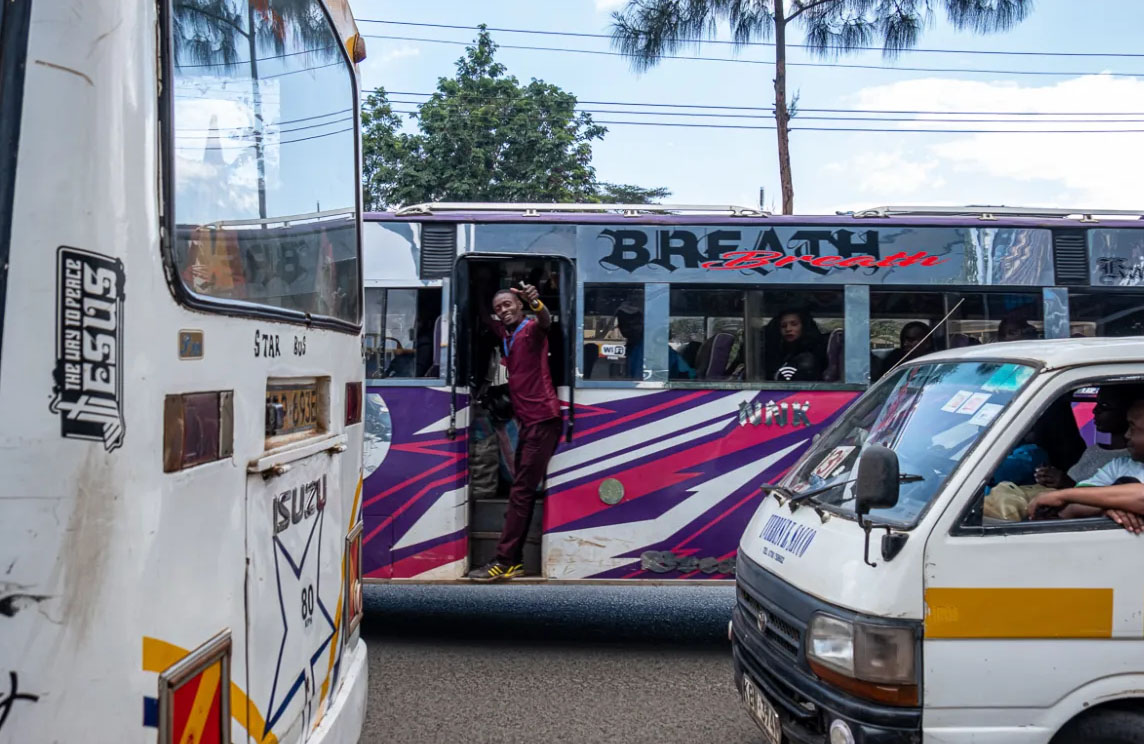
Photo Credit:
 
Originating in the 1960s, matatus were initially basic minibusses used for public transportation. However, over the decades, they have evolved into flamboyant symbols of urban culture, adorned with elaborate graffiti, flashy lights, and booming sound systems. Each matatu is a unique work of art, reflecting the personality and style of its owner, driver, and crew.

Photo Credit: AFP

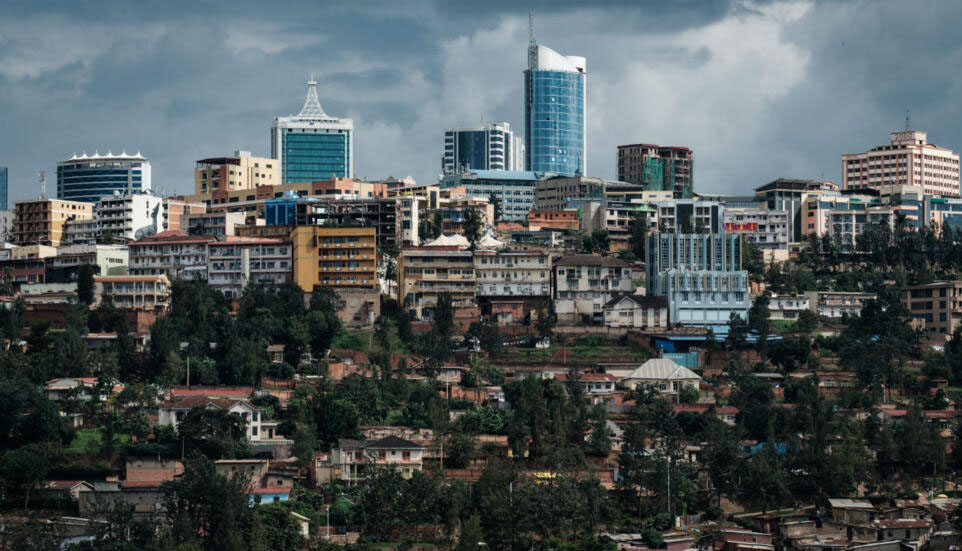
Rwanda, officially known as the Republic of Rwanda, is a landlocked country located in the great rift valley of central Africa, where the African Great Lakes region and South East Africa converge. It is often referred to as the 'land of a thousand hills ‘, due to its breathtaking scenery and mountainous geography. It’s located a few degrees south of the equator and borders Uganda, Tanzania, and the Democratic Republic of the Congo. 

Photo Credit: Getty Images

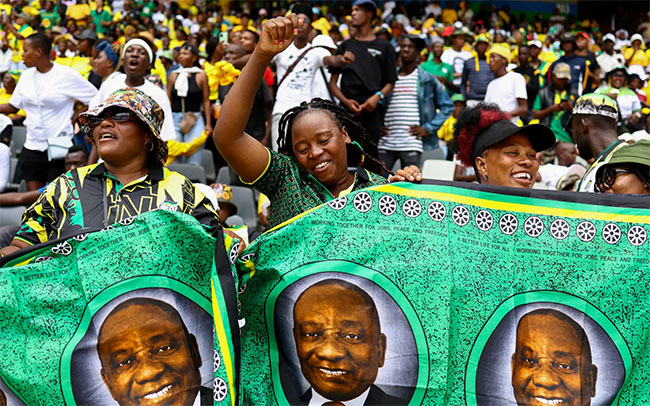
South Africa is to hold general elections on May 29 in what is expected to be the most competitive vote since the advent of democracy in 1994.

Jacob Zuma's ability to stand for office could prove a key factor.

Photo Credit: AP

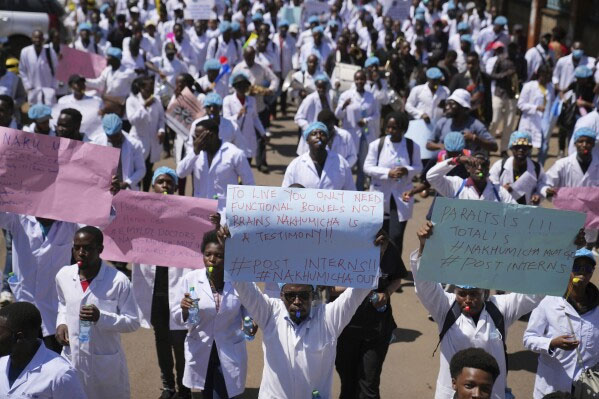
The doctor strike in Kenya has started its second week, with hundreds of Kenyan doctors protesting in the streets. They are carrying placards and chanting against the Kenyan government, saying that it has failed to implement promises, including a collective bargain agreement signed in 2017 after a 100-day strike. The strike was initiated by Kenyan medical practitioners, pharmacists, and dentists (KMPDU), where the doctors’s demand better pay and working conditions.

The political economy of resource-rich African countries is a complex and often paradoxical landscape. While abundant natural resources like oil, diamonds, and minerals offer significant economic potential, these riches frequently lead to what is known as the "resource curse." This phenomenon describes how countries with abundant natural resources often experience less economic growth, less democracy, and worse development outcomes than countries with fewer natural resources.

RECENT NEWS

LATEST JOB OFFERS

AROUND THE CITIES