

Photo Credit: Getty Images
Zambian authorities have urged the public to avoid consuming, selling or handling meat from wildlife that dies suddenly following an anthrax outbreak that has killed dozens of animals in Muchinga Province.
The warning came after hippopotamuses, elephants, buffaloes and a crocodile reportedly died in the Munyamadzi Game Management Area. The Disaster Management and Mitigation Unit said 46 hippos, eight elephants, five buffaloes and one crocodile had died since July.
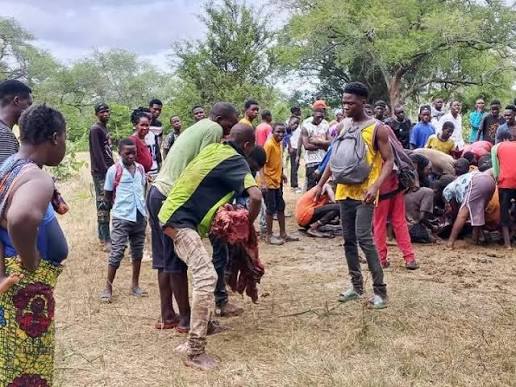
Officials expressed concern that some of the affected carcasses were consumed by local communities who depend on wildlife meat for food. Authorities said 12 people had contracted anthrax after eating meat from dead animals in the Munyamadzi River area. The affected individuals are receiving treatment, and no human deaths have been reported in connection with the latest outbreak.
The disaster management agency has advised residents not to eat meat from animals that die naturally or from unknown causes. Members of the public have also been asked to report any dead wildlife to the relevant authorities and avoid touching or transporting the carcasses.
Hunting in the affected area has been suspended as officials work to establish the geographical extent of the outbreak and determine the risks posed to surrounding communities. Surveillance and laboratory investigations are currently under way.
Anthrax is caused by Bacillus anthracis, a bacterium that can survive in soil for many years in the form of spores. The disease mainly affects grazing animals and can cause sudden death. Humans may become infected through contact with contaminated animals or animal products, including meat.
The latest outbreak has renewed concerns about the dangers of consuming wildlife that has not been properly inspected or processed. Authorities have stressed that cooking or distributing meat from animals suspected to have died from anthrax can expose more people to infection.
Anthrax is endemic in Zambia, although human fatalities are not common. In 2023, the country experienced an unusually severe outbreak that spread to nine of its ten provinces and claimed four lives. A previous major outbreak in 2011 recorded more than 500 cases and resulted in five deaths after people consumed meat from infected hippos.
Officials are now calling for heightened public awareness and cooperation as investigations continue. Communities living near the affected wildlife area have been encouraged to prioritise safety, avoid suspicious carcasses and immediately notify authorities of any unusual animal deaths.
The government's central message remains clear: wildlife that dies unexpectedly should never be treated as a safe source of food.