

Photo Credit: Getty Images
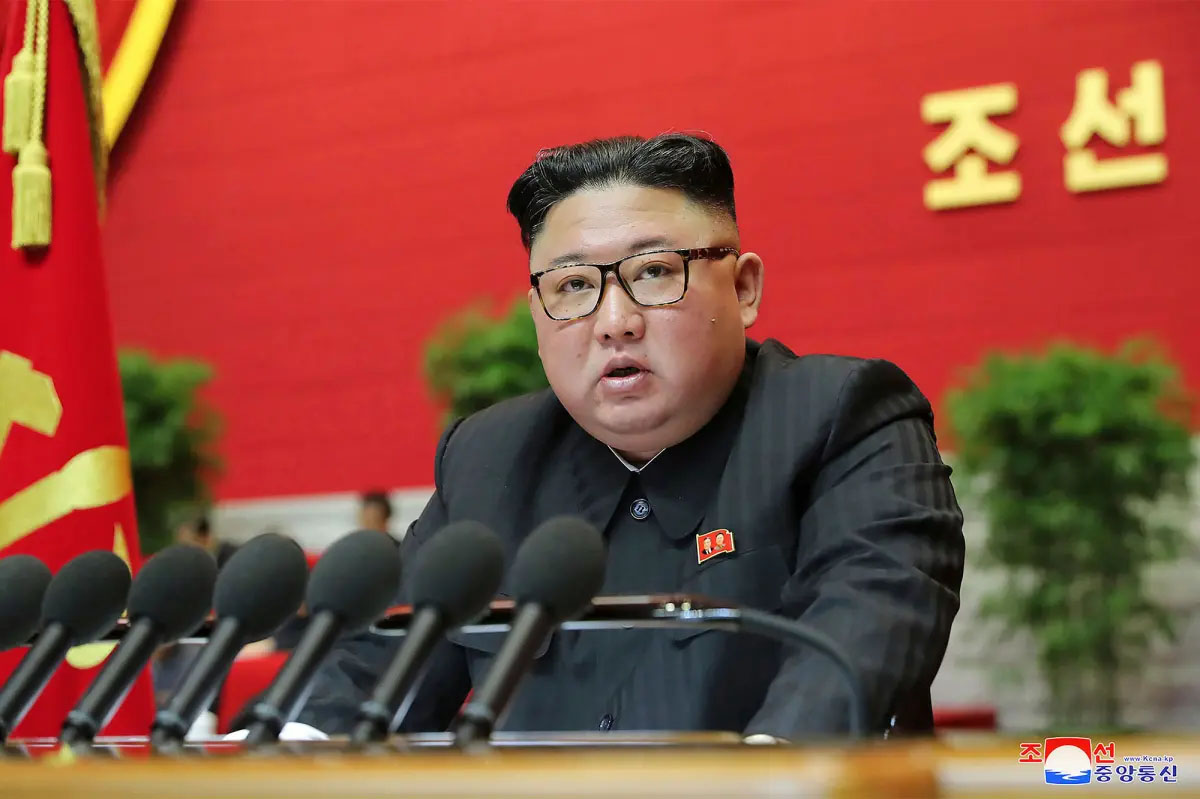
Kim Jong Un has been re-elected as the general secretary of North Korea’s ruling Workers’ Party. According to state media, the formal appointment took place Sunday at a party congress in the capital. The move further solidifies the Kim family's decades-long rule, which began nearly 80 years ago.
State-run KCNA said that under Kim's leadership North Korea "radically improved" its "war deterrence", "with the nuclear forces as its pivot".
Despite long-standing international sanctions, North Korea has continued to build its nuclear capabilities, regularly testing banned intercontinental missiles. But the secrecy of the regime makes it harder to evaluate how much progress the military has made.
Kim, who took control of the regime after his father's death in 2011, has invested heavily in the nuclear weapons programme, turning Pyongyang into a far bigger challenge for the West, and especially the US.
He is expected to announce the next phase of the country's weapons programme during the Ninth Congress of the Workers' Party of Korea, which began on 19 February and is now in its fourth day. Before it started, North Korea unveiled what it said was a range of nuclear-capable rocket launchers.
The congress has been held once every five years in the last decade.
With some 5,000 party members in attendance, according to KCNA, it offers a rare glimpse into the structure of political power in North Korea, which remains quite opaque to even the keenest watchers.
The meetings are considered to be the most important political event and provide insight into where the country's priorities lie, from foreign policy to its nuclear ambitions.
While Kim has remained at the top of North Korean leadership, the party congress' presidium, or executive committee, has been reshuffled since the last meeting in 2021. More than half of its 39 members have been replaced, according to state media.
In his opening speech last week, Kim vowed to boost the country's economy and people's standard of living, which he described as "heavy and urgent historic tasks".