

Photo Credit: Getty Images
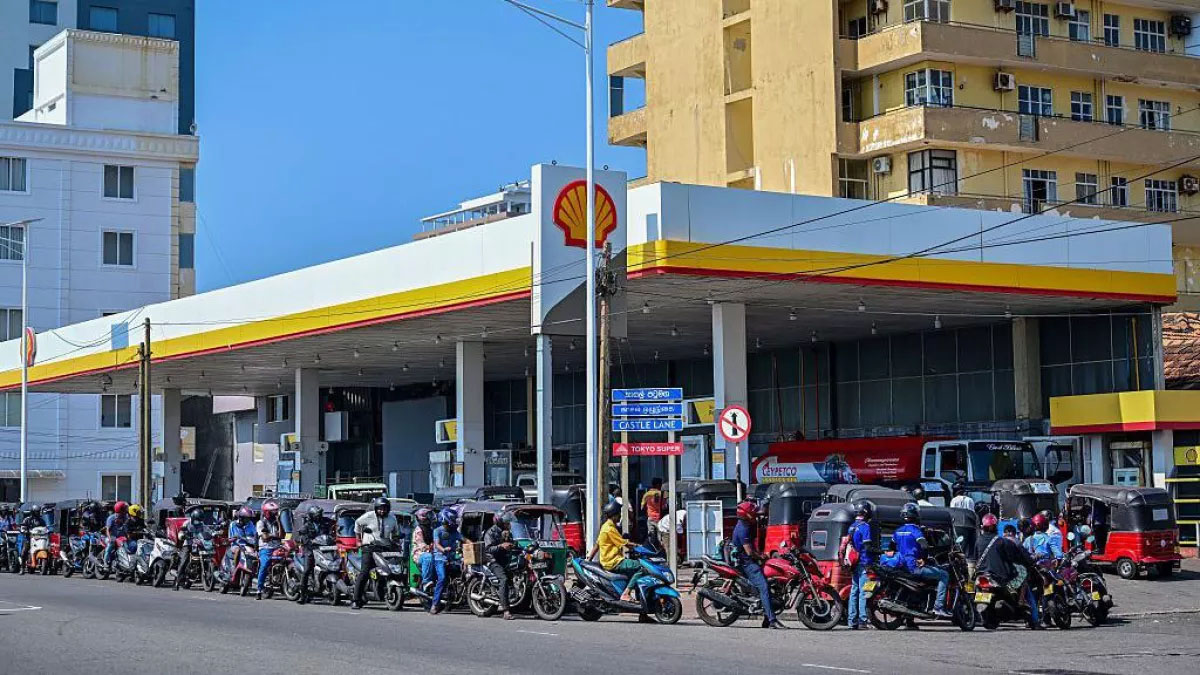
Sri Lanka has announced an unusual but significant step to deal with growing fuel concerns by declaring every Wednesday a holiday for public institutions. The move comes as the country faces potential shortages linked to global oil supply disruptions following the ongoing conflict involving the United States, Israel, and Iran. The situation has placed pressure on energy supplies across Asia, a region heavily dependent on imported oil.
President Anura Kumara Dissanayake addressed the nation during an emergency meeting with senior officials, stressing the need for caution. He noted that while the country must hope for stability, it must also prepare for difficult scenarios. His remarks reflect the seriousness of the situation as rising oil prices and supply uncertainties begin to affect daily life and economic activity.
The decision to introduce a four day work week for public institutions is aimed at reducing fuel consumption, particularly in commuting and operational costs. Importantly, essential services such as healthcare and immigration will continue to operate without disruption. Authorities also clarified that Wednesday was chosen deliberately to avoid creating a three day weekend, which could lead to inefficiencies or unintended economic slowdowns.
Sri Lanka is not alone in adopting strict measures. Across Asia, governments are introducing various strategies to cope with the energy strain. In Thailand, citizens are being encouraged to wear lighter clothing to reduce dependence on air conditioning, a major contributor to electricity use. Myanmar has introduced a system where private vehicles can only be used on alternate days based on license plate numbers, directly limiting fuel consumption.
Bangladesh has taken steps within its education sector by adjusting university holiday schedules and implementing planned power outages to conserve energy. In the Philippines, the government has shifted some employees to remote work arrangements at least once a week, while also restricting non essential official travel. President Ferdinand Marcos Jr has also introduced financial support for vulnerable groups such as tricycle drivers, farmers, and fishermen, offering assistance to help offset rising fuel costs.
Vietnam has focused on public behavior, encouraging people to stay home more often and adopt fuel saving habits. Citizens are being urged to cycle, carpool, and use public transportation whenever possible, while avoiding unnecessary use of private vehicles.
Within Sri Lanka, additional controls have been introduced to manage fuel distribution. Motorists are now required to register for a National Fuel Pass, a system designed to ration fuel purchases. Current limits allow private car owners to buy up to 15 litres, while motorcycle users are limited to five litres. Although this system aims to ensure fair distribution, it has drawn criticism from some citizens who argue that the quotas are insufficient for their needs.
This rationing approach is not entirely new. It was first introduced during the severe economic crisis of 2022, when Sri Lanka faced a shortage of foreign reserves and struggled to import essential goods, including fuel. The return of such measures highlights the ongoing vulnerability of the country to external shocks.
With oil prices now hovering around 100 dollars per barrel, the pressure on governments across Asia is unlikely to ease soon. Sri Lanka’s decision to implement a midweek shutdown reflects both urgency and adaptation, as nations across the region search for ways to manage limited resources while maintaining essential services.