

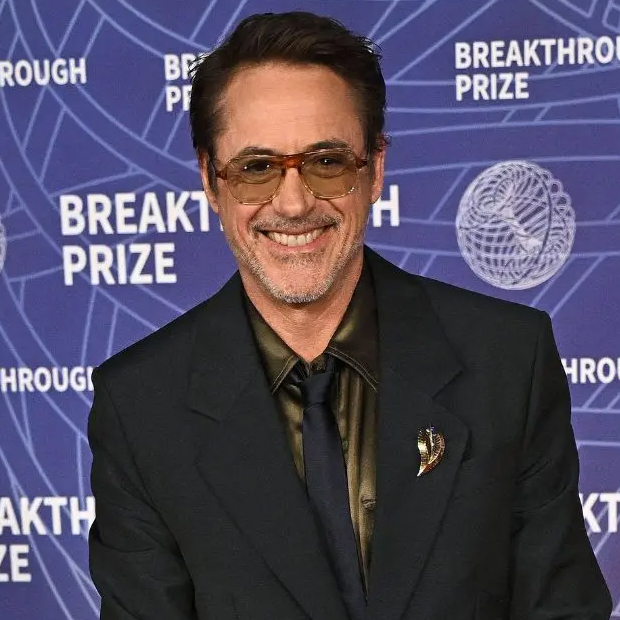
Photo Credit: Getty Images
Robert Downey Jr. Has sparked conversation online after strongly criticizing the idea that social media influencers are becoming the true stars of the future. During an appearance on the “Conversations for our Daughters” podcast, the Oscar winning actor dismissed the statement as “absolute horseshit,” arguing that fame built only through online attention should not replace real creativity, education, or meaningful achievement.
The actor, best known for playing Tony Stark in the Marvel Cinematic Universe, reflected on how modern celebrity culture has changed because of social media platforms. Downey explained that today, many people can become famous simply by recording themselves with their phones and uploading content online. While he clarified that he does not completely see influencers as a negative thing, he admitted that the current landscape creates a difficult challenge for young people trying to find individuality and purpose.
Downey said he hopes many young people will choose paths that involve creating, building, learning, and educating themselves instead of chasing validation online. According to the actor, there should be more focus on meaningful output rather than what he described as “self aggrandizing influencer type” behavior. His comments appeared to target the growing culture where popularity and internet attention are sometimes viewed as more important than skill, talent, or contribution to society.
Ironically, Downey himself has a massive online following, with over 58 million followers on Instagram. Much of that popularity comes from his years portraying Iron Man, one of the most iconic superhero characters in modern cinema. The actor is also set to return to the Marvel franchise later this year as Doctor Doom in Avengers: Doomsday, which is scheduled for release in December.
Despite his own social media presence, Downey explained that he tries not to fall too deeply into the online world because he does not want to be consumed by it. He revealed that people often encourage him to appear more casual and spontaneous online because audiences enjoy feeling like they are getting a personal glimpse into celebrities’ lives. However, Downey argued that even those moments can feel manufactured and fake.
The actor also shared personal concerns about influencer culture through the experience of his 14 year old son, who became interested in online gaming and content creation. Downey explained that the situation quickly shifted into asking viewers for donations while playing video games. He compared some influencers to “Evangelical hucksters of the information age,” suggesting that online personalities can sometimes gain an almost cult like influence over audiences.
Still, Downey avoided fully condemning influencers. He acknowledged that the digital world is still new territory and admitted that he has met several influencers while promoting films. According to him, many of them are grounded, accomplished, and genuinely cool people. His criticism was therefore aimed less at individuals and more at the growing belief that internet fame alone represents the future of stardom.
Downey also reflected on how entertainment audiences have evolved over the years. He recalled attending Comic Con with director Jon Favreau during the early promotion of Iron Man and noticing how social media was already changing fan engagement. He said audiences now want to feel like they are part of the process and involved in shaping entertainment culture itself.
The actor’s comments have since generated debate online, especially at a time when influencers continue to dominate platforms such as TikTok, Instagram, and YouTube. While many agreed with Downey’s concerns about superficial fame, others pointed out that influencers have become powerful voices in entertainment, business, and culture. Even so, Downey’s remarks highlighted a larger conversation about the difference between internet popularity and lasting artistic impact.