

Photo Credit: Getty Images
When four young men from Birmingham named themselves The Polka Tulk Blues Band in 1968, few could have predicted they were about to rewrite the rules of rock forever. With a saxophone in the lineup and a name inspired by talcum powder, their early performances hardly suggested the birth of a new musical genre. But within a year, the band slimmed down, ditched the jazzier elements, changed their name to Black Sabbath, and, in doing so, pioneered heavy metal.
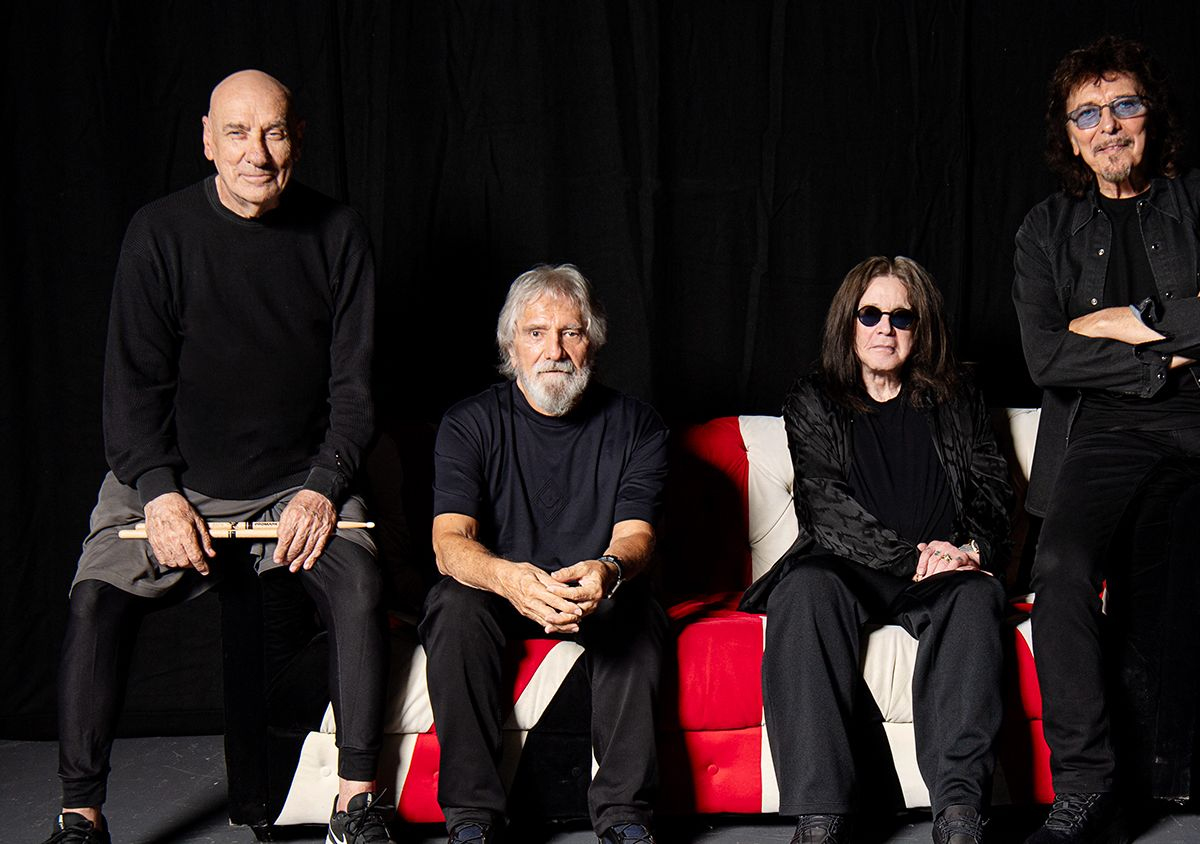
Ozzy Osbourne, whose death at 76 marks the end of an era, became the band's chaotic heart. With a voice that could pierce through distortion and a stage presence fueled by wild unpredictability and endless drugs, he helped define what it meant to be a rock frontman. Alongside him stood Tony Iommi, Geezer Butler, and Bill Ward — each a crucial piece in the thunderous machine that would become Sabbath's signature sound.
Their path to the top wasn't paved with peace and love. Osbourne famously ridiculed the flowery optimism of the 1960s, choosing instead to confront death, darkness, and despair. A chance observation outside a horror cinema inspired the band to channel fear into music. Iommi's haunting guitar tone, born from a factory accident and clever improvisation with plastic fingertips, added a weight and eeriness never heard before.
Their debut album in 1969 introduced a grim, sludgy sound, laced with so-called "Satanic" overtones that sparked outrage in the press. But controversy proved to be the best publicist. Sabbath leaned into their dark aesthetic while producing music far more sophisticated than critics initially gave credit for. Albums like Paranoid, Master of Reality, and Vol. 4 showcased their breadth—from politically charged anthems to tender ballads.
The impact was seismic. Metallica, Guns N' Roses, and a legion of others followed paths Sabbath carved with riffs as heavy as their themes. Even after critics softened and the genre matured, Sabbath's music retained its menace, and its relevance. When Ozzy and Iommi played Paranoid at the Queen's Jubilee in 2002, it was clear: Black Sabbath had transcended genre and generations.
Ozzy once said the greatest surprise was that the music lasted. It did more than last—it defined an entire movement. Black Sabbath wasn't just a band. They were the sound of the abyss echoing through amplifiers—and the world listened.