

Photo Credit: Getty Images
India and China resumed direct flights on Sunday, ending a five-year suspension in a move considered both economically important and symbolic for the cautious rebuilding of relations between the two nations.
Despite remaining strategic rivals competing for regional influence, the neighbors—the world's two most populous countries—have seen ties gradually ease following a deadly Himalayan border clash in 2020. The Indian government stated that the resumption of flights will enhance "people-to-people contact" and facilitate the "gradual normalisation of bilateral exchanges.”
Warming relations with Beijing come as India's ties with key trade partner Washington struggle, following US President Donald Trump's order of punishing 50 percent tariffs. Trump's aides have accused India of fuelling Russia's war in Ukraine by buying Moscow's oil.
India's largest commercial carrier, IndiGo, is set to operate the first daily flight to mainland China, departing Kolkata at 10:00 pm (1630 GMT) Sunday for Guangzhou.
There are already regular flights between India and Hong Kong, while additional services from the capital New Delhi to Shanghai and Guangzhou will begin in November.
India runs a significant trade deficit with Beijing, relying heavily on Chinese raw materials for industrial and export growth.
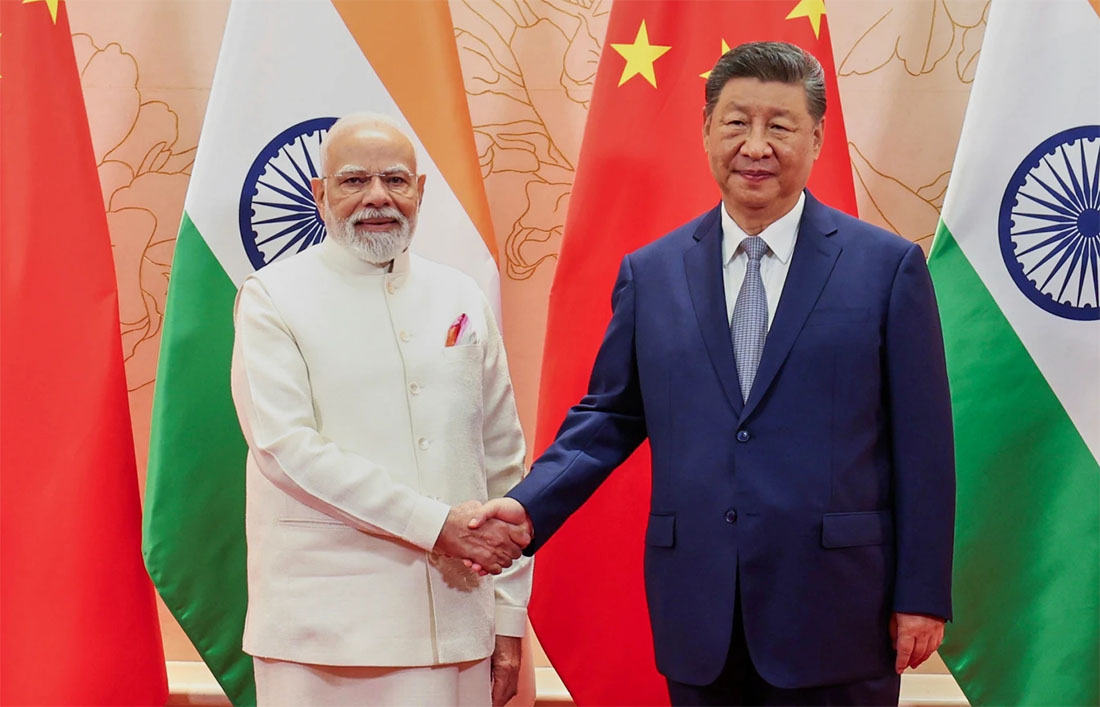
The thaw between New Delhi and Beijing followed meetings between their leaders in Russia last year and in China in August. India's imports from China surged to more than $11 billion last month, up more than 16 percent compared with September 2024, according to New Delhi's commerce ministry. Exports from India to China were $ 1.47 billion, modest by comparison, but up around 34 percent year-on-year.
Direct flights between the two countries were suspended during the Covid-19 pandemic, halting roughly 500 monthly services.
Relations then plummeted after the 2020 border skirmish between the nuclear-armed nations, when at least 20 Indian and four Chinese soldiers were killed. New Delhi responded by tightening restrictions on Chinese investments and banning hundreds of apps, including TikTok.
India then deepened ties with the US-led Quad alliance -- also including Japan and Australia -- aimed at countering China's influence in the Asia-Pacific. Both sides have troops posted along their contested 3,500-kilometre (2,175-mile) high-altitude frontier. But this month, soldiers on each side exchanged gifts of sweets on the Hindu festival of Diwali, "marking a gesture of goodwill", said Yu Jing, the spokesperson of the Chinese Embassy in India.