

Photo Credit: Getty Images
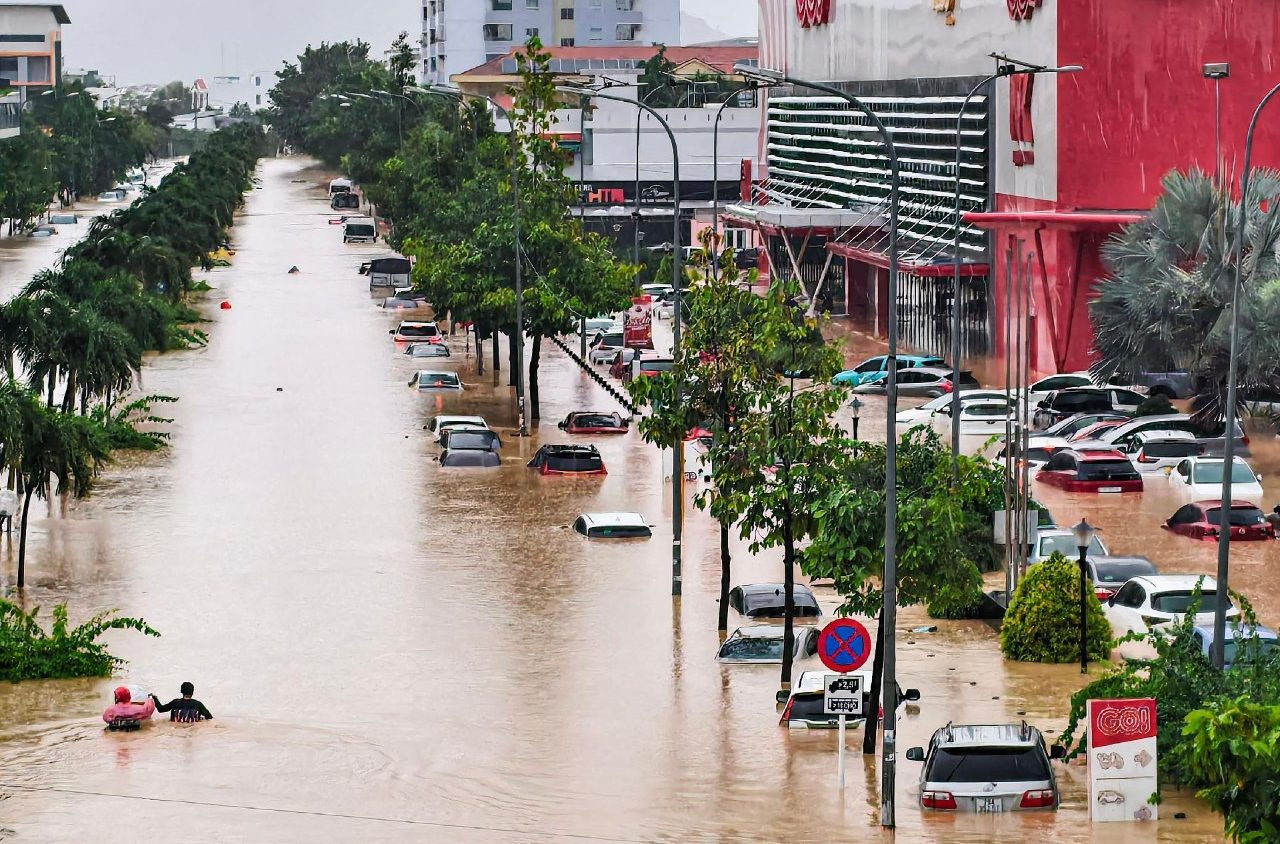
Central Vietnam has been struck by devastating floods and relentless rainfall that have claimed at least 41 lives, with nine people still missing as rescue operations continue. More than 52,000 homes have been submerged, and half a million households and businesses have been left without power, according to state media. Tens of thousands of residents have been evacuated as authorities race to mitigate the escalating crisis. In some regions, rainfall exceeded 1.5 meters over three days, surpassing peak levels recorded during the historic 1993 floods.
The country has faced a series of extreme weather events in recent months, including Typhoons Kalmaegi and Bualoi, which caused widespread destruction. Government estimates suggest that natural disasters have inflicted damages worth $2 billion between January and October. Among the hardest-hit regions are the coastal cities of Hoi An and Nha Trang, as well as Dak Lak province in the central highlands, one of the world's major producers of robusta coffee. Many farmers have endured stalled harvests due to earlier storms, and now thousands of homes have been submerged again.
Authorities have deployed military and police units to establish emergency shelters and relocate residents to safer areas. Landslides have worsened the crisis, prompting the declaration of a state of emergency. Major transport routes have been severely affected, including the Mimosa Pass, a key access point to Da Lat, which collapsed into a ravine, narrowly missing a passenger bus. Images circulating online show residents stranded on rooftops while floodwaters continue rising. A suspension bridge in Lam Dong province was also torn from its anchors, further complicating rescue logistics.
Residents such as Nha Trang restaurant owner Bui Quoc Vinh have expressed deep concern, reporting that floodwaters reached nearly a meter within his premises while rainfall showed no sign of easing. Earlier in November, Typhoon Kalmaegi caused five more deaths along the central coast before reaching Vietnam, after killing 188 people in the Philippines. Experts warn that climate change has intensified extreme weather patterns across Southeast Asia, increasing both the severity and frequency of typhoons. With rainfall expected to continue until Sunday, Vietnam faces severe humanitarian and economic challenges as communities struggle to recover from the ongoing crisis.






