

Photo Credit: Getty Images
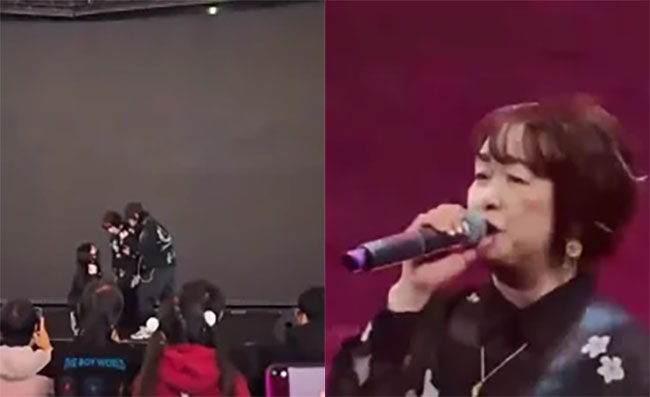
A series of sudden concert cancellations in Shanghai has stirred frustration among fans and highlighted the growing strain between China and Japan. The most dramatic moment came when Maki Otsuki, known for performing the beloved theme from the long running anime One Piece, was stopped halfway through her song. The lights shut off, the music died, and two crew members rushed her off stage. The interruption was abrupt and confusing, and clips of the moment spread fast across social media.
Otsuki’s team later said the cancellation was due to unavoidable circumstances. They added that the local staff treated her well and that no further problems occurred. Her performance was part of a three day music festival in Shanghai that ended early after organisers said they had taken into consideration various factors before pulling the plug. Japanese media reported that all remaining events were cancelled soon after Otsuki left the stage.
Fans did not hold back. Some called the shutdown rude and extreme. Others compared the moment to the sudden removal of former Chinese leader Hu Jintao during a major Party meeting in 2022. A meme making that comparison went viral, with users joking that Otsuki received the Hu Jintao treatment. Many took aim at authorities for limiting cultural events in an attempt to send a message to Japan. As one commenter asked on X, what is the point of turning the spearhead toward your own citizens
The tension sits on top of a larger diplomatic standoff that began after Japanese Prime Minister Sanae Takaichi suggested that Japan could respond militarily if China attacked Taiwan. Beijing insists Taiwan is part of its territory and has not ruled out the use of force. Both governments have lodged protests and the chill has spilled into daily life and entertainment.
The fallout did not end with Otsuki. Pop icon Ayumi Hamasaki was also caught in the crossfire. After being told to cancel her Shanghai concert due to force majeure, she chose to perform anyway, though the arena was empty. Fourteen thousand seats sat vacant as she sang for her crew, the local staff and the Japanese team supporting her tour. She later wrote that she still believes entertainment should be a bridge that connects people, a sentiment many fans echoed.
Not everyone shared that view. On Chinese platforms, some asked why Japanese acts were allowed to perform at all during a moment of national anger toward Japan. Others argued that shutting down concerts only deepened resentment and hurt ordinary citizens more than officials.
The impact has already reached anime releases. Chinese state media announced delays for at least two major Japanese films in the wake of the dispute. For many fans in both countries, the cancellations feel like a sign that cultural exchange is becoming another casualty of politics.