

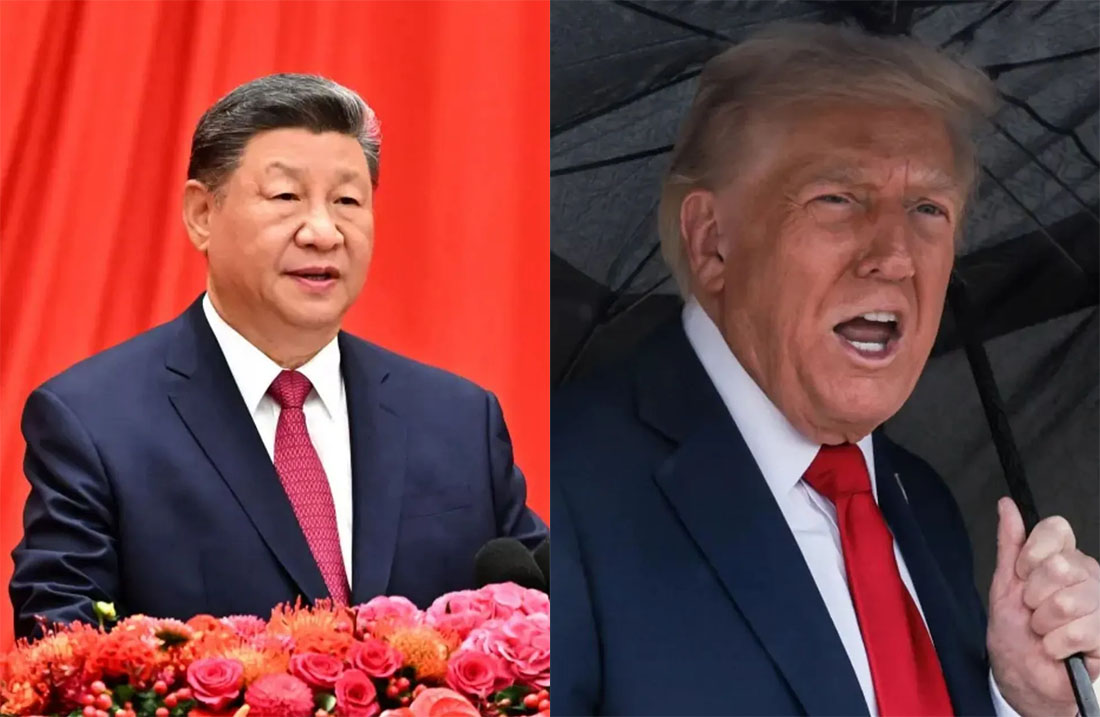
Photo Credit: Getty Images
China's trade surplus surged past the $1 trillion mark for the first time in its history, powered largely by a sharp pivot toward non-U.S. markets as manufacturers continue to route shipments around the steep tariffs imposed by President Donald Trump. Fresh customs data for November shows export strength concentrated in Europe, Australia, and Southeast Asia, even as shipments to the United States collapsed by nearly a third compared with last year.
November's export performance surprised economists after months of uneven momentum. Overseas shipments rose 5.9% year-on-year, reversing October's unexpected contraction and beating market expectations. Imports, meanwhile, climbed a modest 1.9%, reflecting a Chinese consumer base still weighed down by a prolonged property downturn and weak domestic confidence.
The monthly trade surplus reached $111.7 billion, the largest since June, pushing the year-to-date total above $1 trillion for the first time. Economists say the milestone underscores how aggressively Chinese exporters have repositioned themselves since Trump's return to the White House last year, when tariff rates on many Chinese goods were again pushed above what analysts consider profitability thresholds.
The reorientation has been dramatic: shipments to the EU jumped nearly 15%, exports to Australia soared more than 35%, and Southeast Asian demand continued to expand. Meanwhile, U.S. tariffs averaging 47.5% have sharply eroded competitiveness, even after Washington and Beijing agreed to scale back a portion of the duties following an October meeting between Trump and President Xi Jinping.
Electronics, machinery, and lower-grade chips led much of the gain, boosted by higher component prices and renewed global demand. Analysts say China is also benefiting from the global expansion of its own firms, which are increasingly building production hubs abroad to secure low-tariff access to key markets.
Still, signs of strain remain. Factory surveys show new export orders improving but still in contraction territory, while broader industrial activity has logged eight straight months of decline. Beijing's Politburo has pledged to prioritize domestic demand at upcoming year-end economic meetings, a shift economists say is crucial as external conditions weaken heading into 2026.