

Photo Credit; Getty Images
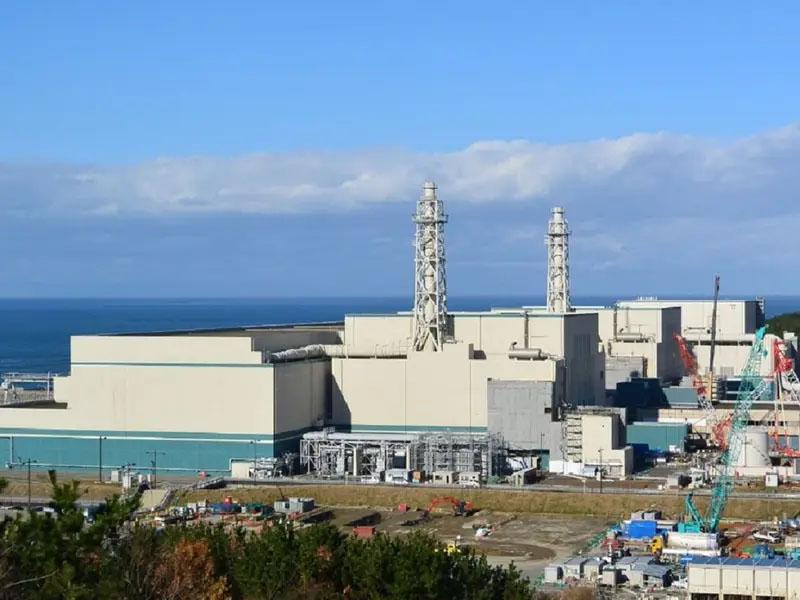
Japan has once again suspended operations at the Kashiwazaki Kariwa Nuclear Power Plant, the facility with the largest installed nuclear power capacity in the world, only hours after one of its reactors was restarted. The announcement was made by the plant’s operator, Tokyo Electric Power Company, also known as Tepco, highlighting the
continued sensitivity and technical challenges surrounding nuclear energy in Japan more than a decade after the Fukushima disaster.
According to Tepco spokesperson Takashi Kobayashi, an alarm sounded during reactor start up procedures at reactor number six, located at the Kashiwazaki Kariwa plant north west of Tokyo. While the alarm prompted an immediate suspension of operations, Kobayashi stressed that the reactor itself remained stable and that there was no radioactive impact outside the facility. He added that Tepco is currently investigating the cause of the incident and has not yet announced when operations will resume.
Reactor number six had restarted on Wednesday, one day later than originally planned, after a previous alarm malfunction delayed the process. This restart marked the first time any reactor at the Kashiwazaki Kariwa plant had been turned on since the 2011 Fukushima nuclear disaster. That catastrophe was triggered by a powerful 9.0 magnitude earthquake and tsunami, which led to a meltdown at the Fukushima Daiichi plant and is considered one of the worst nuclear disasters in history.
In the aftermath of Fukushima, Japan shut down all 54 of its nuclear reactors. Radiation leakage forced more than 150,000 people to evacuate their homes, and many residents have not returned despite government assurances that affected areas are now safe. Public trust in nuclear power was deeply shaken, and restarts since then have faced intense scrutiny from regulators and strong opposition from local communities.
Although reactor number six is currently suspended, Tepco has stated that it is due to begin commercial operations next month once safety checks and investigations are complete. The seventh reactor at the Kashiwazaki Kariwa plant is not expected to be restarted until 2030, while the remaining five reactors may be decommissioned. If this happens, the plant will operate with far less capacity than in the past, when all seven reactors were active.
The decision to restart reactor number six was made despite ongoing safety concerns raised by local residents. Protests have continued in recent weeks, with a small crowd gathering outside Tepco’s headquarters and hundreds demonstrating outside the Niigata prefectural assembly late last year.
Before 2011, nuclear power supplied nearly 30 percent of Japan’s electricity, and the country had ambitious plans to increase that share to 50 percent by 2030. Following the nationwide shutdown of reactors, Japan has spent more than a decade cautiously attempting to revive its nuclear sector as part of its broader goal to reach net zero emissions by 2050. Since 2015, 15 of Japan’s 33 operable reactors have been restarted under stricter safety regulations.
An earlier version of reports on this incident incorrectly stated that the Kashiwazaki Kariwa plant was located in Tokyo. This has since been corrected to reflect its actual location north west of the capital.