
Photo Credit; Getty Images

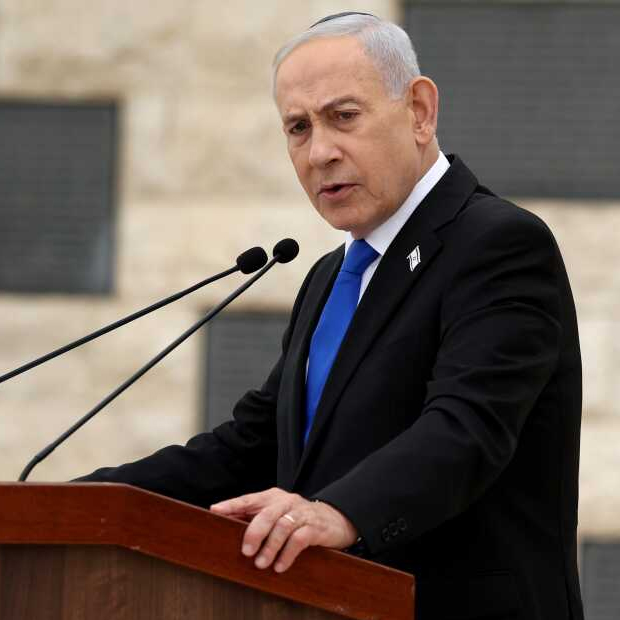
Israeli leaders including Prime Minister Benjamin Netanyahu and the nation's military have condemned a soldier who was photographed damaging a statue of Jesus Christ in southern Lebanon. The image, which emerged over the weekend, shows the soldier striking the face of the statue with an axe or sledgehammer. Netanyahu stated on Monday that he was "stunned and saddened" by the incident, condemning the act "in the strongest terms" and expressing regret for the pain caused to believers worldwide.

His comments came after the Israeli military confirmed late Sunday that the photo, showing a statue of Jesus turned upside down and off its cross, was authentic.

“The IDF views the incident with great severity and emphasizes that the soldier’s conduct is wholly inconsistent with the values expected of its troops,” the IDF said in a statement, resharing a post by Palestinian journalist Younis Tirawi that had circulated widely on social media.

Photo Credit: Getty Images

The World Health Organization (WHO) has suspended all medical evacuations from Gaza to Egypt via the Rafah crossing following the death of a contractor. WHO Director-General Tedros Adhanom Ghebreyesus confirmed that the contractor, identified locally as 54-year-old Majdi Aslan, was killed by Israeli troops in a "security incident" on Monday. While two other staff members present during the encounter were uninjured, the organization has halted patient transfers until further notice.


Photo Credit; Getty Images

Israel and Lebanon have entered a rare phase of direct diplomacy, holding their first face-to-face talks since 1993 in a US-brokered effort aimed at easing escalating tensions along their shared border.

The meeting, described by US officials as a significant diplomatic opening, comes amid intensifying conflict involving Israel and the Iran-backed Hezbollah group. While expectations for an immediate breakthrough remain low, both sides signaled cautious willingness to engage after years of indirect communication.

US Secretary of State Marco Rubio framed the talks as a long-term process rather than a single decisive moment. Speaking ahead of the discussions, he emphasized that progress would require sustained effort, calling the meeting a "historic opportunity" to reshape security dynamics in southern Lebanon.


Photo Credit; Getty Images

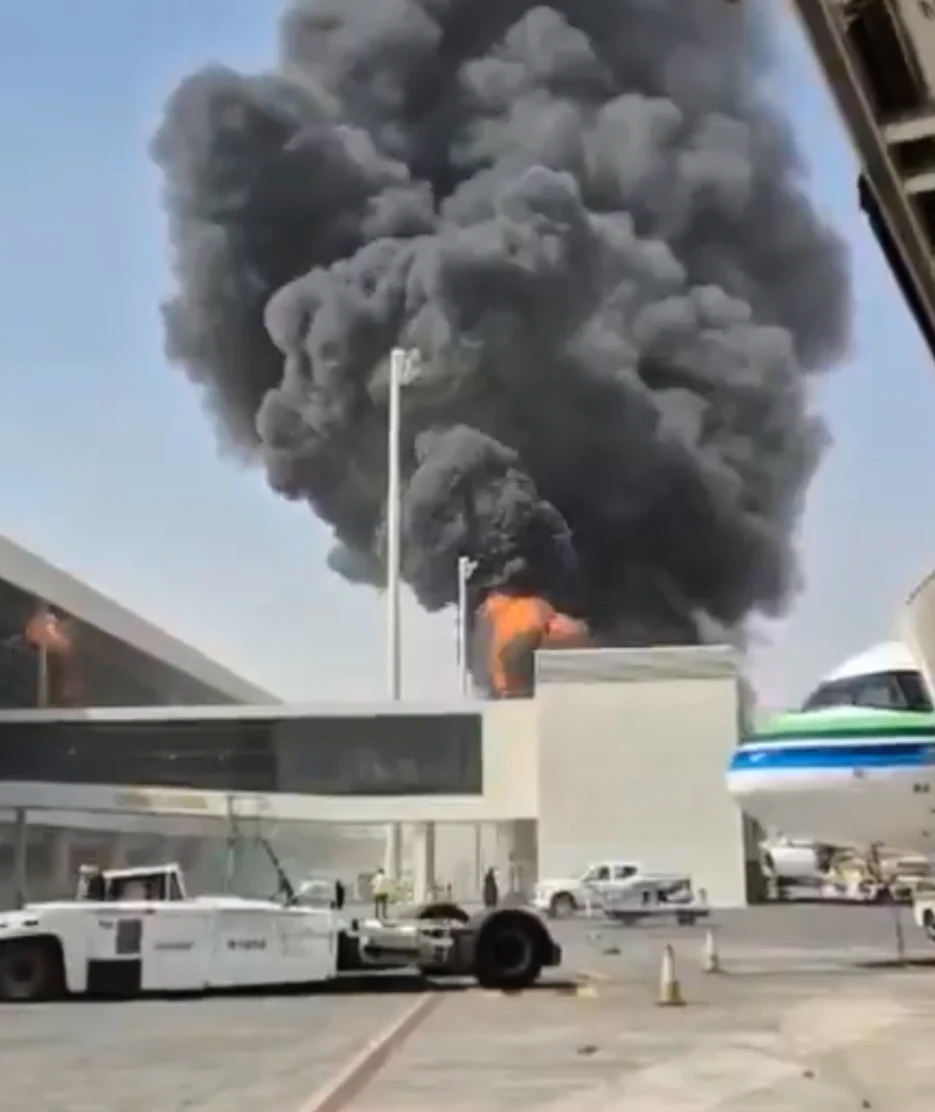
Saudi Arabia said on Sunday it has reinstated full pumping capacity on its strategic East-West oil pipeline, returning flows to roughly seven million barrels per day following recent attacks that disrupted parts of its energy network.

The Ministry of Energy said facilities affected during the regional conflict have been repaired and are now operating normally, underscoring what it described as the resilience of the kingdom's oil system after days of reduced output.

Officials did not assign responsibility for the strikes, though recent weeks have seen repeated missile and drone interceptions across the kingdom amid heightened tensions linked to the Iran conflict.

The attacks temporarily affected multiple sites, including oilfields, processing facilities and pipeline infrastructure in key regions such as Riyadh, the Eastern Province and Yanbu.

The disruption had cut crude production capacity by about 600,000 barrels per day and reduced pipeline throughput by approximately 700,000 bpd, according to earlier government estimates.


Photo Credit; Getty Images

Iran has hanged a teenage boy and a young man for participating in the January protests.

Mohammadamin Biglari, 19, and Shahin Vahedparast Kalour, 30, were executed at Ghezel Hesar Prison at dawn on Sunday, April 5.

They were among at least 25 men at risk after being arrested in anti-regime protests in January, with more than half a dozen others killed last week.

Mahmoud Amiry-Moghaddam, director of Iran Human Rights, warned that many more hangings will follow if pressure is not brought to bear on the regime.

‘These daily executions, carried out under the shadow of war, are part of a deliberate policy to terrorise the Iranian people and prevent new protests,’ he told the Mail after this newspaper told both men’s stories on Saturday.


Photo Credit; Getty Images

UK Prime Minister Sir Keir Starmer has arrived in Saudi Arabia to meet with Gulf allies following the announcement of a ceasefire between the U.S. and Iran. According to Downing Street, the visit is focused on diplomatic efforts to maintain the peace agreement and ensure the continued reopening of the Strait of Hormuz. Starmer’s trip comes in the wake of aggressive rhetoric from Donald Trump, who warned of civilizational collapse if Iran did not end hostilities. The Prime Minister is expected to return to the UK on Friday.

Sir Keir said: "I welcome the ceasefire agreement reached overnight, which will bring a moment of relief to the region and the world."


Photo Credit; Getty Images

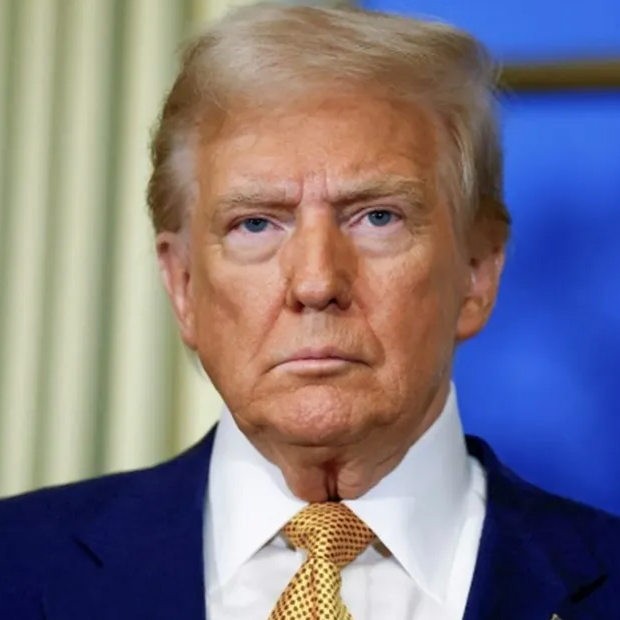
A senior official in Iran has dismissed assertions by Donald Trump that Tehran's leadership sought a ceasefire, underscoring deepening tensions as hostilities involving the United States and Israel persist.

Speaking from the Iranian capital, officials firmly denied any outreach requesting a halt to fighting. The rebuttal follows Trump's social media statement alleging that Iran's "new regime president" had appealed for an immediate ceasefire arrangement with Washington.

Iranian authorities described the claim as unfounded, maintaining that no such communication had taken place. The denial adds another layer of uncertainty to an already volatile conflict that has disrupted global energy flows and heightened geopolitical risks.

Earlier, Trump indicated that any consideration of a ceasefire would hinge on the reopening of the strategically vital Strait of Hormuz. The narrow passage, a key artery for global oil and gas shipments, has been severely impacted by the ongoing war, fueling concerns about supply shortages and economic instability worldwide.

RECENT NEWS

LATEST JOB OFFERS

AROUND THE CITIES