
Photo Credit; Getty Images

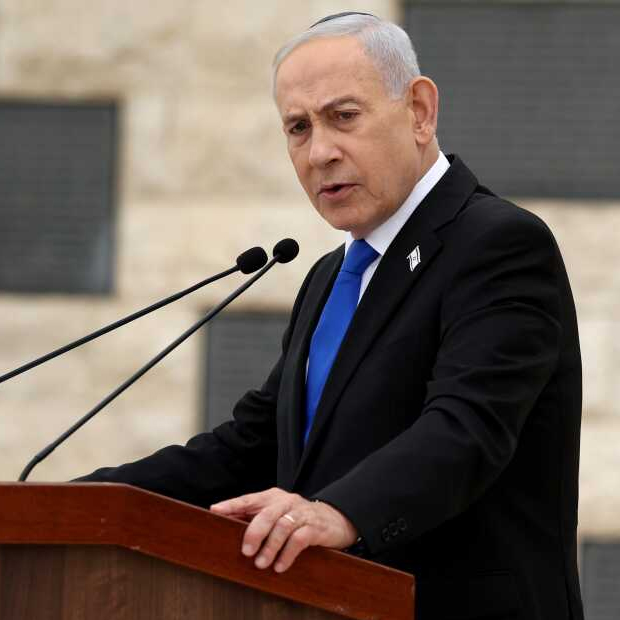
Israel’s parliament on Monday, March 30, approved a bill that would allow the execution of Palestinians convicted on terror charges for de@dly attacks, a move that has been criticised as discriminatory and immediately drew a court challenge.

Sixty-two lawmakers, including Prime Minister Benjamin Netanyahu, voted in favour and 48 against the bill, championed by far-right National Security Minister Itamar Ben Gvir.

There was one abstention, and the rest of the lawmakers were not present.

Before the vote qas cast, Ben Gvir had worn a lapel pin in the shape of a noose, symbolising his support for the legislation.

“We made history!!! We promised. We delivered,” he posted on X after the vote.

The bill would make the de@th penalty the default punishment for Palestinians in the Israeli-occupied West Bank found guilty of intentionally carrying out de@dly attacks deemed “acts of terrorism” by an Israeli military court.

The bill says that the sentence may be reduced to life imprisonment under “special circumstances”.

Palestinians in the West Bank are automatically tried in Israeli military courts.

Meanwhile, under the bill, in Israeli criminal courts, anyone “who intentionally causes the death of a person with the aim of harming an Israeli citizen or resident out of an intention to put an end to the existence of the State of Israel shall be sentenced to

death or life imprisonment”.

Criminal courts try Israeli nationals, including Palestinian citizens and residents of East Jerusalem.

The bill sets the execution method as hanging, adding that it should be carried out within 90 days of the sentencing, with a possible postponement of up to 180 days.

The bill appears to conflict with Israel’s Basic Laws, which prohibit arbitrary discrimination, and shortly after it was passed, a leading human rights group announced that it had filed a petition with the Supreme Court demanding the legislation’s annulment.

“The law creates two parallel tracks, both designed to apply to Palestinians,” the Association for Civil Rights in Israel said in a statement. “In military courts – which have jurisdiction over West Bank Palestinians – it establishes a near-mandatory death sentence,” the rights group said.


Photo Credit; Getty Images

Israeli Prime Minister, Benjamin Netanyahu has reversed an earlier decision restricting access to a key Christian holy site in Jerusalem, following widespread backlash.

Netanyahu said he had directed authorities to allow Pierbattista Pizzaballa to enter the Church of the Holy Sepulchre and conduct Palm Sunday services. 

The move came after the Latin Patriarchate of Jerusalem revealed that Israeli police had, for the first time in centuries, prevented senior church leaders from entering the church to celebrate Mass.

The Patriarchate described the incident as a “grave precedent” that disregards the sensitivities of Christians worldwide during Holy Week, the most sacred period in the Christian calendar.

Palm Sunday marks the beginning of Holy Week and commemorates the entry of Jesus Christ into Jerusalem. The Church of the Holy Sepulchre is widely believed to be the site of his burial and resurrection.

Israeli authorities said the restrictions were due to security concerns amid ongoing tensions involving Iran, noting that recent missile attacks had landed close to the holy site.

Police later approved a limited prayer arrangement at the church, while maintaining restrictions at other religious sites, including the Western Wall and the Al-Aqsa Mosque compound.

Netanyahu’s office denied any malicious intent, stating that the measures were taken solely to ensure public safety. However, it added that plans were being made to allow religious leaders to worship at the site in the coming days.


Photo Credit: Getty Images

Israel has intensified its military actions in southern Lebanon, signaling plans to expand ground operations following targeted strikes on key infrastructure, including bridges.

The Israeli military stated that its campaign against Hezbollah is entering a broader phase, with preparations underway for coordinated ground advances and continued airstrikes. Lieutenant General Eyal Zamir described the operation as ongoing and potentially prolonged, emphasizing that it is being carried out according to a structured plan.


Photo Credit; Getty Images

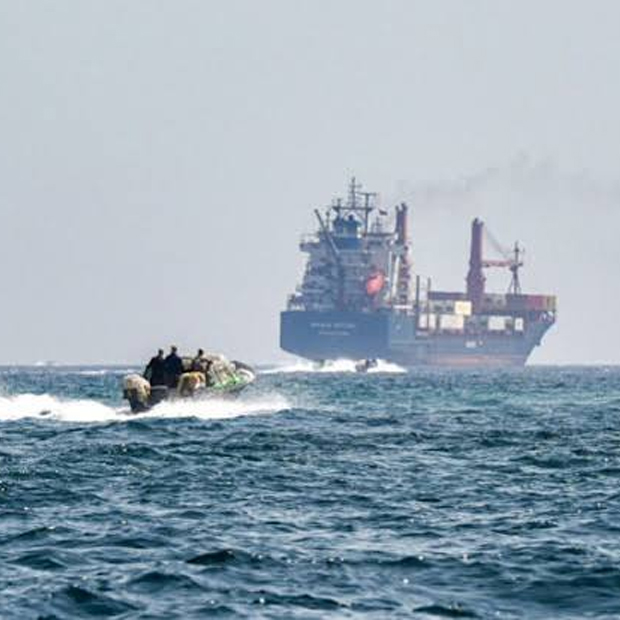
Drone strikes have disrupted major UAE energy facilities, including the Shah gas field and Fujairah export hub. A tanker sustained damage near the Strait of Hormuz, highlighting growing risks to

shipping routes. Oil prices climbed as markets reacted to tightening supply and escalating regional conflict.

A renewed wave of aerial attacks has struck critical energy infrastructure in the United Arab Emirates, intensifying concerns about prolonged supply disruptions as regional tensions continue to escalate.


Photo Credit; Getty Images

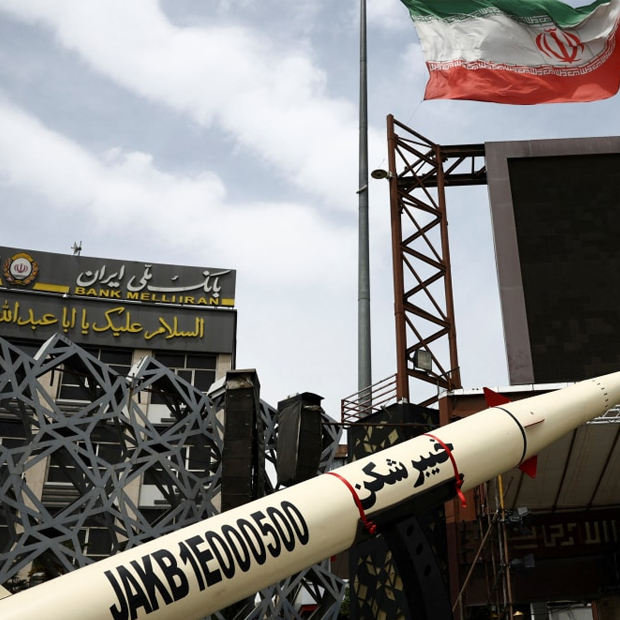
Iran has issued a warning urging residents and workers in parts of the United Arab Emirates to immediately leave areas surrounding key port facilities in Dubai, Abu Dhabi and Fujairah.

According to Iran’s semi-official Tasnim News Agency, people living or working near several major ports, including Jebel Ali Port in Dubai, Khalifa Port in Abu Dhabi and Port of Fujairah — should evacuate the surrounding areas immediately.

RECENT NEWS

LATEST JOB OFFERS

AROUND THE CITIES